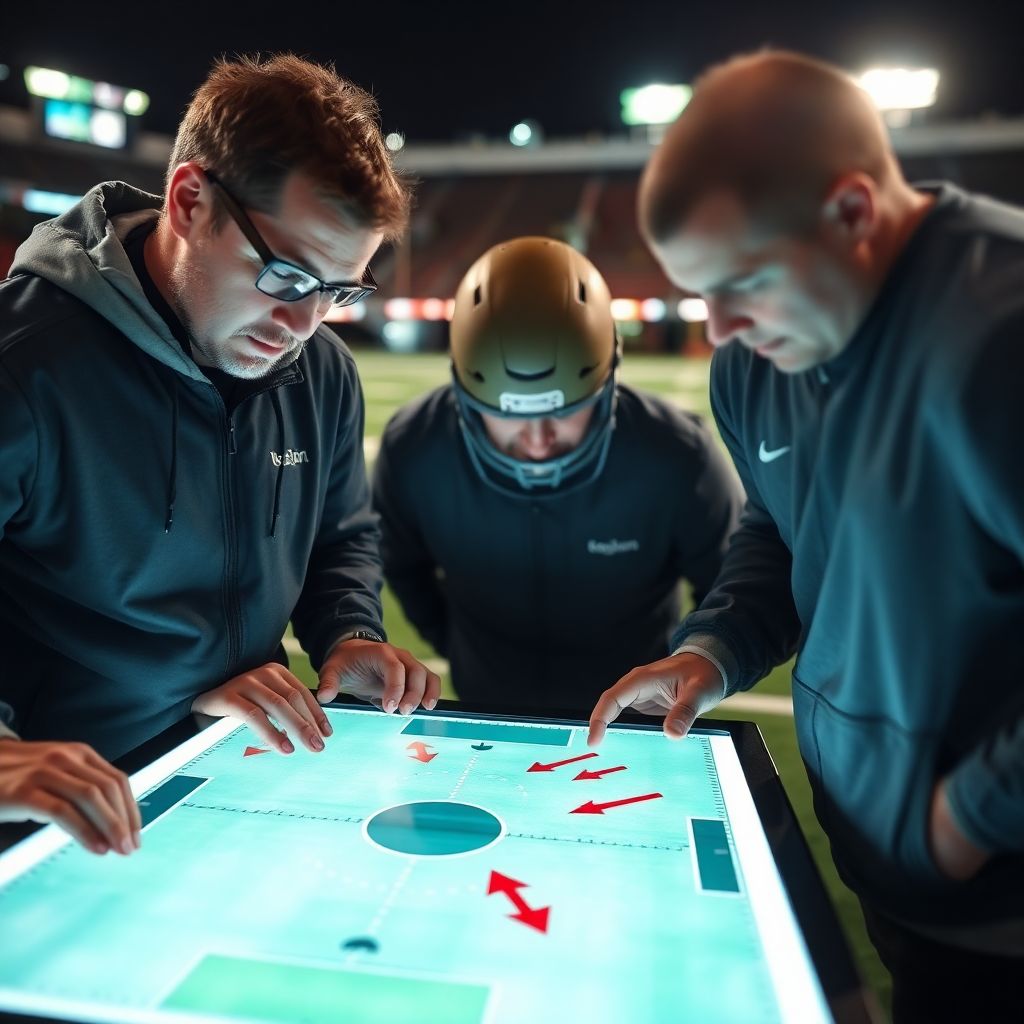
Special teams science explains how field position, kicking angles, and momentum quietly decide games. If you treat punts, kickoffs, and returns as random events, then you leave free yardage, hidden points, and decision leverage unused. If you design them with clear if‑then rules, then you turn chaos into repeatable advantage.
Core principles that define special teams impact
- If you control field position, then you control which playbook the opponent can realistically call.
- If your kicking angles are intentional, then your coverage lanes become predictable and faster.
- If returns are planned in lanes, then blockers make simpler, cleaner decisions.
- If you track momentum swings from hidden yardage, then your game management improves in real time.
- If your practice drills mirror analytics and film cues, then special teams execution survives game pressure.
Myths and misconceptions: what people get wrong about punts, kickoffs, and returns
If you think special teams is just effort and toughness, then you will miss most of its strategic value. Special teams is a field position exchange market: you trade risk, distance, and time for territorial advantage. The techniques look simple, but the decisions underneath them are highly structured.
If you assume a longer punt is always better, then you ignore hang time, coverage spacing, and return threat. If you assume a touchback is always safe, then you ignore how pinning an offense deep changes their play selection. Punts and kickoffs are not isolated plays; they are opening moves for entire drives.
If you design a football special teams training program around generic hustle drills, then players learn to run hard but not smart. They need clear if‑then rules: if ball is kicked outside the hash, then adjust leverage this way; if return is middle, then stack and fold that way.
If your special teams coaching clinic only reviews blocking schemes on paper, then you underteach timing, spacing, and landmarks. The hidden science lives in questions such as: where should the ball land, at what height, toward which sideline, and how does that interact with your coverage lanes and opponent tendencies.
Field position economics: expected points, leverage, and territorial value
- If your offense starts consistently deeper in its own territory than the opponent, then every drive must travel farther, raising the difficulty of scoring even without changing play quality.
- If you pin opponents inside their own territory, then they must call safer plays, which shrinks their playbook and improves your defensive odds on early downs.
- If you treat fourth down near midfield as an automatic punt, then you ignore situations where a short‑field stop after a failed attempt is less damaging than a low‑net punt.
- If your punt net distance is undermined by touchbacks and long returns, then you gain fewer real yards than the gross distance suggests, weakening the hidden value of the play.
- If you track average starting field position as a core metric, then you can honestly judge whether your kicking, coverage, and return units are creating or losing field value.
- If you pair simple charts or field position analytics football software with weekly self‑scout, then you turn vague impressions into clear rules for when to kick, pin, or go for it.
Kicking angles and geometry: trajectory, contact point, and boundary management
- If you kick down the middle by default, then returners see two‑way space and more cutback options; if you aim toward a sideline, then you create a 12th defender in the boundary.
- If your punter strikes the ball with low trajectory to chase distance, then you extend return setup time; if you trade a few yards for extra hang, then you compress the return lane.
- If kickoff location is always the same, then return teams quickly design high‑percentage schemes; if you vary depth and angle within your coverage rules, then you force constant adjustment.
- If your specialists do not understand hash‑to‑sideline spacing, then directional kicks drift into the middle; if they work specific contact points, then they can paint the ball to precise zones.
- If you ignore wind, surface, and stadium quirks, then good technique gets unpredictable results; if you pre‑plan aiming spots for conditions, then your kicking geometry remains stable.
Return planning and lane design: alignment, reads, and blocking priorities
If you treat returns as freelance hero plays, then your blocking angles and timing will always be late. Well‑designed returns give every player a lane, a leverage rule, and a primary threat. Below are typical advantages and constraints framed as practical if‑then guidelines.
Advantages when lanes are clearly defined
- If every blocker owns an inside or outside leverage rule, then they react faster to coverage movement instead of guessing.
- If front‑line players on kick return have specific retreat and hinge landmarks, then they form cleaner walls with fewer penalties.
- If the returner knows the designed read sequence, then one hard cut replaces multiple indecisive lateral moves.
- If your scheme pairs with your personnel speed, then slower units emphasize double teams and walls, while faster units emphasize seams and one‑cut lanes.
Constraints and trade‑offs in return design
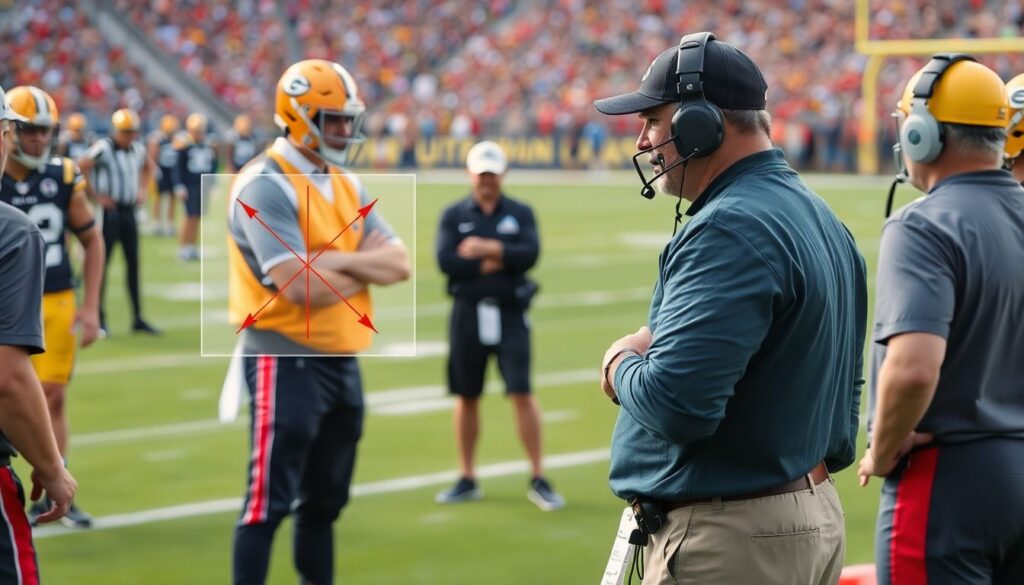
- If you call heavy double‑team returns, then you commit more bodies near the point of attack and risk leaks on backside contain.
- If you attack aggressively with kick or punt blocks, then you accept fewer blockers on the return and a higher variance outcome.
- If you chase long returns every time, then you tempt more blocks in the back; if you emphasize secure field position first, then big plays become bonuses, not requirements.
- If you design complex tags and checks without enough meeting time, then players hesitate; if you stay with two or three base returns, then execution under pressure improves.
Momentum and game-flow effects: how special teams swing drives and decisions
- If you believe momentum only comes from touchdowns, then you miss how a pin inside the 10 or a big hit on kickoff can change both sidelines energy.
- If you overreact to one long return by abandoning your core scheme, then you often create more confusion and give up easier field position later.
- If you do not script responses to sudden changes of possession, then emotional plays turn into disorganized substitutions and rushed calls.
- If your staff does not pre‑decide when to fake, onside, or squib, then those choices become emotional instead of data‑driven in high‑stress moments.
- If players understand how one special teams snap can flip play‑calling on the next three drives, then they value assignments more than highlights.
From data to practice: metrics, film cues, and drill prescriptions
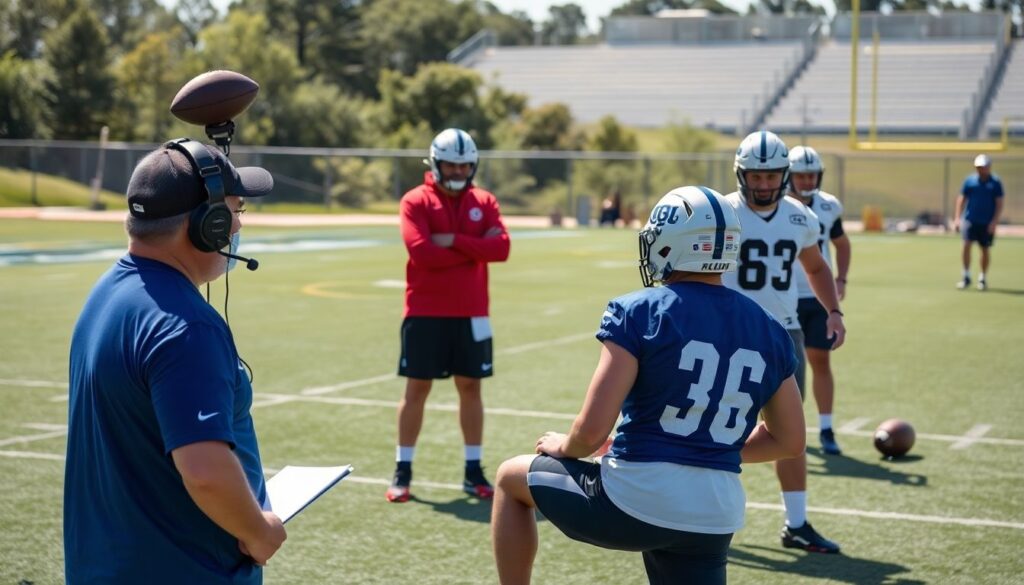
If you want the hidden science of special teams to show up on Friday or Sunday, then every practice period must translate clear metrics and film cues into targeted drills. Below is a compact example of turning film and numbers into actionable if‑then rules and work.
If film shows your punt net is low because of short returns, then chart hang time and location, not just distance. If most balls land between numbers and hash with low hang, then design a period where the punter must hit boundary landmarks with required hang while coverage sprints from stacked alignments to those exact zones.
If your kickoff coverage keeps getting gashed inside, then tag the first defender who loses leverage on film. If it is repeatedly the same lane player, then pair him in practice with a coach acting as the returner, running only leverage‑test angles: if returner crosses your face, then squeeze; if he stays outside, then widen and keep inside shoulder free.
If you use field position analytics football software or even simple charts to identify that your worst drives begin after conservative returns, then script a period where your returner must commit to vertical gain after the first cut. If he bounces outside after three steps, then the rep does not count, reinforcing discipline over freelancing.
If your staff cannot meet in person often, then supplement with an online course special teams strategy football resource to align vocabulary and rules. If you also connect your specialists with focused kicking and punting coaching services, then their technique work will match your tactical goals instead of existing in isolation.
Practical clarification on recurring special-teams puzzles
Why do coaches emphasize field position so much on special teams?
If you consistently start drives closer to midfield than your opponent, then you need fewer successful plays to score. Field position quietly changes play selection, risk tolerance, and how often each side must convert tough downs.
Is it always smart to boom the longest possible punt?
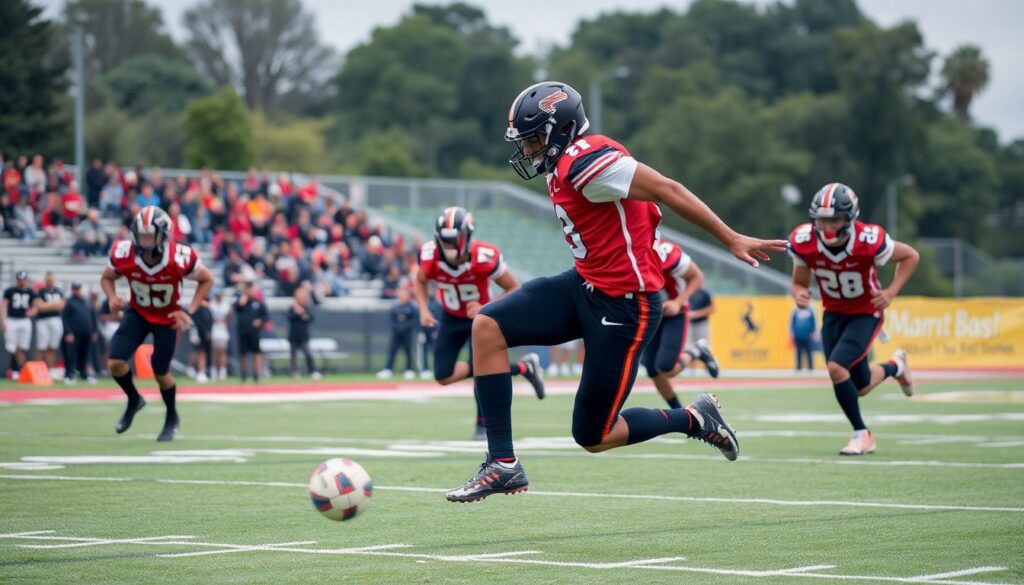
If your longest punts outkick coverage and reduce hang time, then you often give up big returns. It is usually smarter to trade a few yards of distance for higher, more controllable kicks that match your coverage speed.
When should a team choose directional kicking on punts and kickoffs?
If your coverage unit understands leverage and lane rules, then directional kicking lets you squeeze the field and limit cutback lanes. It is especially useful against elite returners or when wind and boundary angles favor one side.
How complex should a return scheme be for intermediate teams?
If your players are still mastering alignments and base leverage, then two or three core returns with simple tags are enough. More complexity adds mental errors and penalties that erase any schematic advantage.
How can we practice special teams without wasting offensive or defensive time?
If you integrate special teams concepts into group periods, then you multiply reps without expanding the schedule. For example, team pursuit drills can double as coverage work if you add ball landmarks and leverage rules.
Do we really need analytics tools for special teams at lower levels?
If you track only makes, misses, and big plays, then you miss trends that drive decisions. Even simple or low‑cost tools give you starting field position, net distance, and situational results that sharpen fourth‑down and kicking choices.
What is the role of clinics and courses in improving special teams?
If your staff learns special teams only from game experience, then progress is slow and reactive. Attending a special teams coaching clinic or structured online course gives you tested if‑then rules and drill ideas you can plug into practice immediately.
Комментарии