Teams maintain chemistry through a long season by setting a shared identity early, protecting clear communication, and building daily rituals in the locker room that reinforce trust. Coaches and captains monitor mood, address conflicts quickly, and adjust routines so players feel both individually valued and collectively responsible for results.
Core Principles for Sustained Team Chemistry
- Define a clear team identity in preseason and reinforce it daily in the locker room.
- Use simple communication rules so expectations, roles, and feedback stay consistent.
- Design short, repeatable rituals that fit your schedule and level of competition.
- Address tension early with structured conversations, not emotional outbursts.
- Balance star freedom with role clarity for every player on the roster.
- Track team chemistry in sports with observations and basic behavior metrics, not just results.
Establishing a Shared Identity: From Orientation to Midseason
This approach fits coaches, captains, and performance staff who want to improve team dynamics in athletics over an entire season, not just during playoffs. Do not use these tools as punishment or after a major crisis only; they work best when introduced calmly, before drama and losing streaks hit.
Quick prep checklist
- Clarify your own philosophy in a short, written statement you can say in under a minute.
- Map key dates: preseason camp, first game, midseason break, playoffs.
- Identify 2-3 veteran players who can act as culture carriers.
- Reserve time in the locker room during orientation and at midseason for identity conversations.
- Prepare one story about your program that illustrates the behavior you want.
To build a durable identity, tie every message to something tangible in the locker room culture in professional sports: wall phrases, jersey numbers, or rituals. In preseason, run a short session called “Who we are, how we play, how we treat each other” and link it to behaviors you can see and measure.
Sample preseason script:
“This year we are a high-effort, unselfish team. That means: we sprint to help on defense, we communicate on every play, and we own our body language on the bench. If you wear this jersey, those three behaviors are non-negotiable.”
At midseason, re-confirm identity with the team in the locker room:
- Ask: “What do we want opponents to say about us after playing us?”
- List 3 behaviors on the whiteboard that match that description.
- Agree on one behavior to emphasize in the coming month.
Use sports team building activities that fit your level and schedule, such as small competitive challenges during practice where the only way to win is to show the desired behaviors (communication, trust, extra effort), then reference them again in postgame talks.
Communication Protocols That Prevent Drift
Clear rules for how and when you communicate keep the season from sliding into confusion or cliques. Simple communication protocols make it easier to explain roles, give feedback, and discuss playing time without damaging the trust that supports strong team chemistry in sports.
Quick prep checklist
- Choose primary channels: in-person, group chat, whiteboard, and video platform.
- Decide who communicates what: head coach, assistants, captains, medical staff.
- Block recurring “communication slots” in the daily schedule (pre-practice, postgame).
- Agree as a staff on vocabulary for effort, role, and standards.
- Set boundaries for group chats to avoid late-night or toxic messages.
Helpful protocols to install early in the season:
- Daily huddle format – Two minutes in the locker room before practice:
- Coach: focus of the day (one sentence).
- Captain: one quick reminder on attitude or energy.
- Player: volunteer shares one thing the group is doing well.
- Role and playing-time conversations – Always one-on-one, away from the group:
- Use a three-part script: current role, one thing going well, one clear improvement task.
- Finish with: “We’ll revisit this after X games or practices.”
- Postgame debrief rule – First emotions are for cooling down, not blaming:
- Immediate message: effort and togetherness only.
- Detailed feedback waits for next day’s meeting with video.
- Group chat guidelines – Define acceptable content:
- No criticism of teammates or staff.
- Schedule, logistics, encouragement, and light humor only.
To improve team dynamics in athletics, teach athletes a short “disagree well” formula for in-game and practice corrections: notice, name, solution. Example: “Screen late – call it earlier – next time, yell my name sooner.” Keep it short and specific, then move on.
Rituals, Routines and Microhabits for Daily Cohesion
Daily habits powered by the locker room keep chemistry steady when travel, losses, or injuries hit. Instead of relying on big events, use small rituals that fit naturally around practice and games so players connect, reset, and re-commit multiple times every week.
Preparation checklist before installing routines
- Audit your current day: mark natural touchpoints (arrival, taping, stretch, cool-down).
- Check time limits: how many minutes are realistically free before and after practice.
- Consult 2-3 veteran players about which moments feel meaningful or empty.
- Decide what feeling each ritual should create: calm, hype, gratitude, focus.
- Plan who leads each ritual and set a backup leader.
- Design a consistent arrival and greeting pattern
Make the locker room the psychological entry point to “team mode.” Use one simple arrival ritual:- Example: each player greets two teammates by name and handshake or fist bump.
- Coach or captain does a slow visual scan to notice body language and energy.
- Install a pre-practice connection ritual
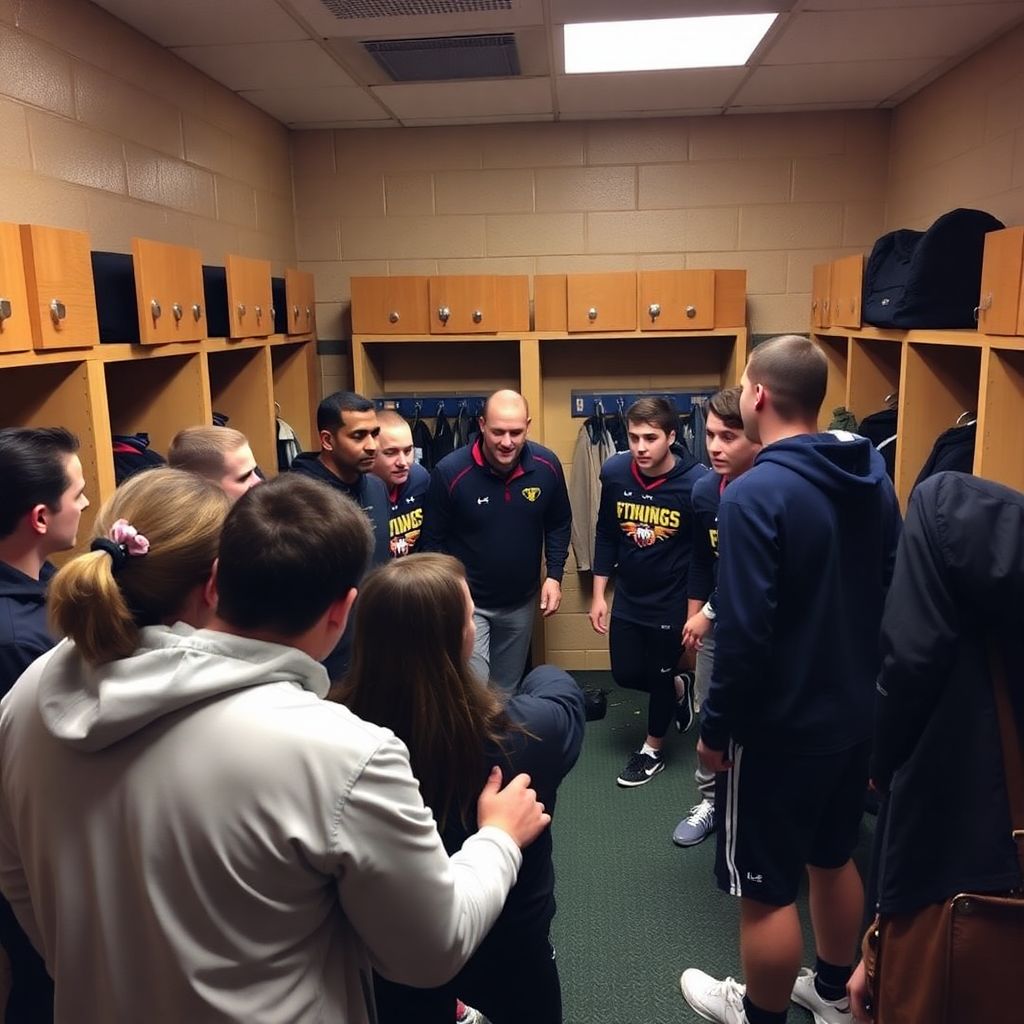
Use a short, repeatable routine before athletes leave the locker room for the field or court.- Example: “30-second circle” – athletes form a circle, one player leads a call-and-response phrase linked to team identity.
- Rotate leaders so younger players practice speaking to the group.
- Create performance microhabits teammates can mirror
Encourage small, visible habits that signal readiness and professionalism.- Examples: all phones away five minutes before meetings, everyone checks the daily board, two deep breaths before stepping out.
- Ask: “What one tiny habit, if we all did it, would raise our standard?”
- Set a post-practice debrief and gratitude moment
Back in the locker room, hold a brief closing ritual.- Example formula: one thing we improved today, one teammate appreciation, one focus for tomorrow.
- Keep it under three minutes to respect fatigue and schedules.
- Use travel and road-game mini-rituals
On the road, pick small routines that recreate stability.- Example: same pregame playlist in the visitors’ locker room, same 60-second visualization led by a coach.
- Ask players to bring one shared object (e.g., team scarf or banner) that always hangs in the room.
- Refresh rituals at midseason
At midseason, review what still feels alive and what feels stale.- Invite players to suggest one new ritual and vote on the best option.
- Drop any ritual that has become forced or negative; replace it with something simpler.
Managing Conflict: Practical Steps for Rapid Resolution
Conflict is unavoidable across a long season; how you respond determines whether it harms chemistry or strengthens trust. Use clear, repeatable steps to get from emotion to resolution quickly, especially when conflicts start in the locker room or spill onto the court or field.
Conflict-resolution check checklist
- Identify conflicts early, before they spread through side conversations.
- Separate the people from the problem in your initial language.
- Choose neutral spaces for tough conversations, not in front of the whole team.
- Give each person time to speak without interruption.
- Finish with specific agreements and a follow-up date.
Use this checklist to know if your conflict management is working:
- Players involved in a dispute can describe the issue in simple, non-personal terms.
- Emotions drop during the conversation instead of escalating.
- Both sides can repeat back the other person’s perspective accurately.
- You finish with at least one clear behavioral change for each person.
- Body language between the players improves within a few practices or games.
- No new teammates are pulled into the conflict through gossip or group chats.
- On-field cooperation (help defense, extra pass, communication) returns quickly.
- The team can reference the situation later as “something we worked through” rather than a lingering wound.
For higher-stakes issues that threaten locker room culture in professional sports, bring in a neutral staff member (assistant coach, sport psychologist, or senior administrator) to facilitate, and make sure safety and respect are non-negotiable before performance is discussed.
Balancing Individual Needs with Collective Goals
Maintaining chemistry over a long season means giving space for personal ambitions while keeping the group’s mission at the center. When this balance is off, you see inconsistent effort, quiet resentment, and fractured subgroups inside the locker room and on the bench.
Alignment prep checklist
- Clarify the season’s performance goals and cultural goals in writing.
- List the main individual goals players typically have on your team (minutes, stats, contracts, scholarships).
- Schedule individual meetings at least at preseason, midseason, and before playoffs.
- Prepare a few neutral phrases to link personal and team goals.
Common mistakes to avoid when trying to balance individual and team priorities:
- Talking about “team first” without ever acknowledging personal goals players care about.
- Promising roles or minutes that depend on performance and health instead of explaining conditions clearly.
- Focusing all attention on star players in the locker room while role players feel invisible.
- Using public criticism to “motivate” individuals, which often embarrasses them and hurts trust.
- Ignoring the emotional impact of depth-chart changes or lineup decisions.
- Letting one player’s brand or social media presence override team standards.
- Running sports team building activities that only suit extroverts, leaving quieter players disengaged.
- Discussing one player’s performance in front of others in ways that reveal private information.
- Failing to show how small roles contribute to big wins, especially for younger players.
During one-on-one meetings, use a simple three-part structure: ask for the athlete’s personal goals, share the team’s needs and constraints, then co-create one or two behaviors that support both. This keeps “how to build team chemistry” linked directly to each athlete’s path.
Measuring Chemistry: Metrics, Observations and Adjustment Cycles
Chemistry can feel vague, but you can track it in simple, observable ways across the season. Measuring does not mean reducing relationships to numbers; it means noticing patterns early so you can adjust before the locker room mood derails performance.
Measurement prep checklist
- Decide which behaviors matter most for your style of play (communication, hustle, bench energy).
- Assign one staff member responsibility for tracking chemistry notes.
- Choose a regular review rhythm: weekly during preseason, then every few weeks in-season.
- Plan short player surveys or check-ins at preseason, midseason, and postseason.
If you are not ready for formal surveys or advanced tools, you can still choose from several simple approaches:
- Observation and behavior logs – Staff members note specific behaviors such as who encourages teammates, who isolates after mistakes, and who arrives early or late. This works well when staff have time to watch body language and interactions closely.
- Short, anonymous pulse questions – A few times a season, ask players to rate how connected, heard, and supported they feel, using paper slips or digital tools. This option fits programs that value privacy and want honest feedback without long meetings.
- Locker room and bench energy checks – After practices and games, give a simple rating to the group’s energy and togetherness, then track trends. Choose this when you need something very fast that still shows whether your interventions are working.
- Structured captain feedback – Meet regularly with captains to hear patterns they notice in the locker room. This alternative is useful when players are more likely to open up peer-to-peer than directly to staff.
Whichever method you choose, close the loop by telling players what you heard and what will change; this alone can significantly strengthen team chemistry in sports over the long calendar of a season.
Practical Concerns and Quick Solutions
How do I start improving chemistry if the season has already begun?
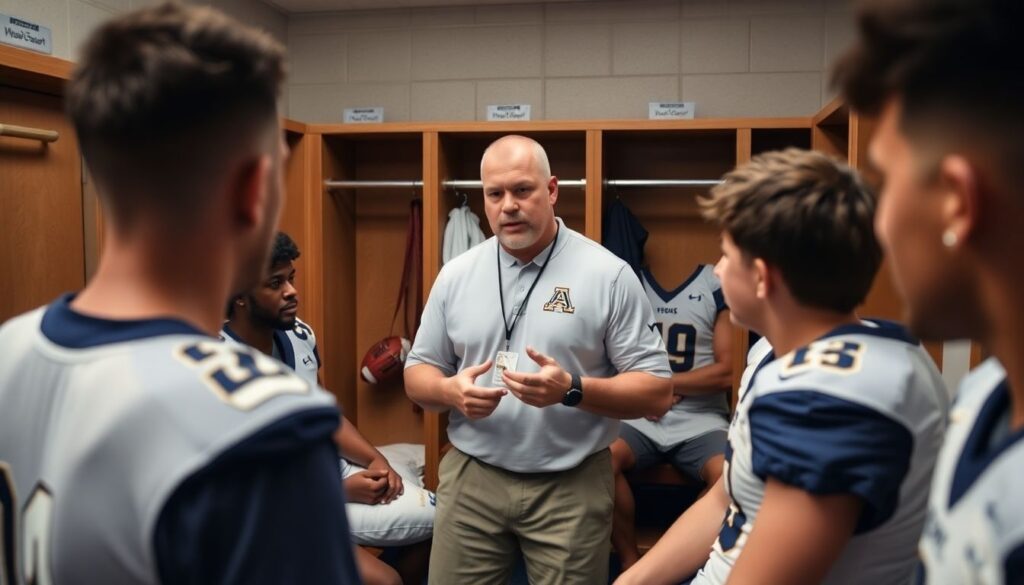
Begin with one small locker room ritual before practice and a clear communication rule, such as short, specific feedback only. Explain to the team that you are upgrading standards midseason, not punishing them, and invite one simple suggestion from players to increase buy-in.
What if veteran players resist new routines or rituals?
Involve veterans in designing or leading the routines and ask for their feedback privately before announcing changes. Emphasize that the goal is to support performance and longevity, not control personalities, and trial the new routine for a short period with a planned review date.
How can I handle a player who is negative in the locker room but performs well in games?
Meet one-on-one and separate appreciation for performance from concern about behavior. Explain specific impacts of their negativity on teammates, agree on replacement behaviors, and set a follow-up check. If needed, use clear consequences that still respect their value to the team.
What are safe sports team building activities for mixed-age or youth teams?

Choose short, low-risk challenges that require cooperation rather than physical risk, such as small-group problem-solving games, partner passing tasks with communication rules, or team goal-setting exercises. Avoid activities that might embarrass players or expose physical insecurities in front of peers.
How often should we adjust our rituals across a long season?
Plan a light review at midseason and again before playoffs, and be willing to tweak rituals anytime they feel stale or forced. Keep the overall structure stable while changing small details like who leads, the exact wording, or the music used.
What if conflicts keep repeating between the same players?
Look for underlying role confusion or unspoken expectations and address those directly, not just the latest incident. Consider bringing in a neutral facilitator, and if necessary, adjust roles, pairings, or responsibilities so the players are not constantly put in triggering situations.
How can I protect culture when new players arrive midseason?
Assign them a veteran buddy, walk them through team standards in the locker room, and explain key rituals before they join. Make the first week about orientation and connection, not judgment, while still being clear about behaviors that are non-negotiable.