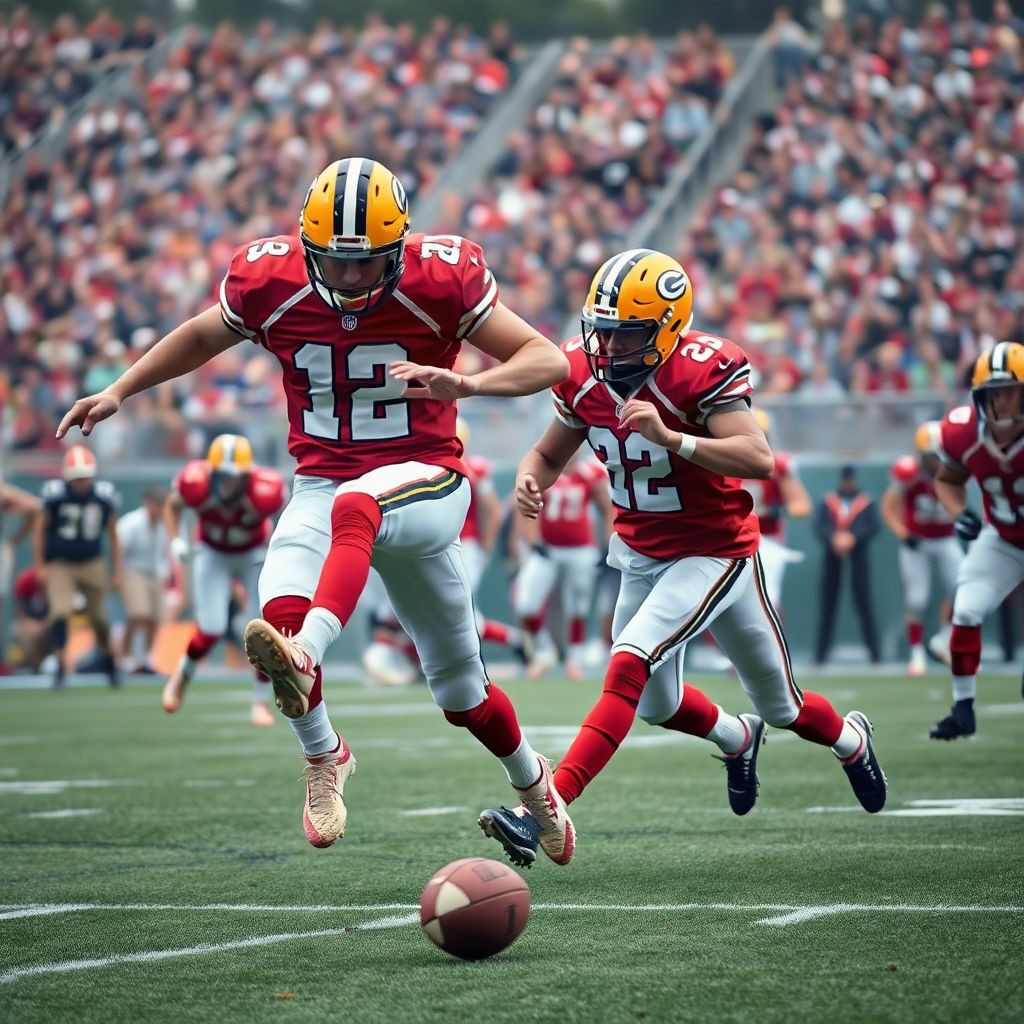
Special teams decide field position, hidden yardage, and sudden swings in win probability far more than most fans and even coaches realize. They change how aggressively you call offense and defense, dictate momentum after scores, and often determine one-possession outcomes, especially when resources are tight and every edge must be intentional.
Core Mechanisms That Make Special Teams Decisive
- They control starting field position, which quietly shapes every drive and play-call.
- They generate hidden yardage through coverage lanes, returns, and penalties avoided.
- They create sudden scoring swings via returns, blocks, and fake units.
- They set or kill momentum after touchdowns, turnovers, and end-of-half situations.
- They let under-resourced teams neutralize athletic gaps with precision and situational mastery.
- They expose weak communication and discipline faster than any offensive or defensive package.
Anatomy of Special Teams: Roles and Responsibilities
Special teams are the units that handle kicking, punting, and returns, along with every snap where the ball changes possession through a kick. Core units include kickoff, kickoff return, punt, punt return, field goal, field goal block, and hands or onside teams for end-game situations.
Each unit has specialist roles: kicker, punter, long snapper, holder, returner, personal protector, and coverage or blocking personnel. Responsibility splits into three layers: specialists executing the kick, the core protection or coverage shell, and perimeter players who set edges, force the ball, and control space.
In practice, special teams coaching services football offerings often reorganize your depth chart around these roles, not just offense or defense positions. A backup safety who is an elite gunner might be more valuable than a slightly better coverage corner who contributes nothing in the kicking game.
Example: on punt, the personal protector makes protection calls like a quarterback, gunners act as press corners or speed receivers, and the punter manages directional punting. When a football special teams training camp installs this structure, players start to see kicking downs as coordinated units rather than random chaos.
Hidden Metrics: What Traditional Stats Miss
Traditional box scores show points, yards, and turnovers, but they usually bury special teams impact. To understand why special teams matter more than you think, track advanced or hidden metrics that connect directly to win probability and play-calling freedom.
- Average starting field position differential: Measure where your offense starts versus your opponent after kicks and punts. Even small improvements compound over four quarters into shorter fields, simpler play-calls, and easier red zone access.
- Net punt: Combine punt distance, return yards, and touchbacks. A shorter but high hang-time punt that forces a fair catch can produce better net field position than a long, returnable ball.
- Hidden yardage from penalties avoided: Track yards lost or gained from special teams flags. A single block in the back on a return can erase a great scheme; disciplined teams silently gain dozens of free yards just by staying clean.
- Return decision quality: Grade each return decision (fair catch, touchback, or return) based on expected field position. A returner who consistently takes touchbacks instead of getting tackled short of the 20 quietly saves your offense from bad scripts.
- Explosive special teams plays: Count returns over a target distance and blocked kicks or punts. These plays act like chunk passes or sudden turnovers and often flip momentum when your offense is stagnant.
- Kickoff coverage success rate: Define success as pinning opponents inside a target yard line. This rate shows whether your coverage fits, leverage, and tackling angles are working together.
Application with limited resources: if you cannot hire special teams consultant nfl college level, designate one coach to own these metrics in a simple spreadsheet or shared document. That clarity alone often changes how you script practice and who you put on the field.
Example: after charting a month of games, you might see that every squib kick pushed opponents near midfield. Switching to higher, shorter directional kicks that land near the numbers could trade five yards of distance for much better coverage outcomes.
Field Position and Momentum: The Invisible Advantage
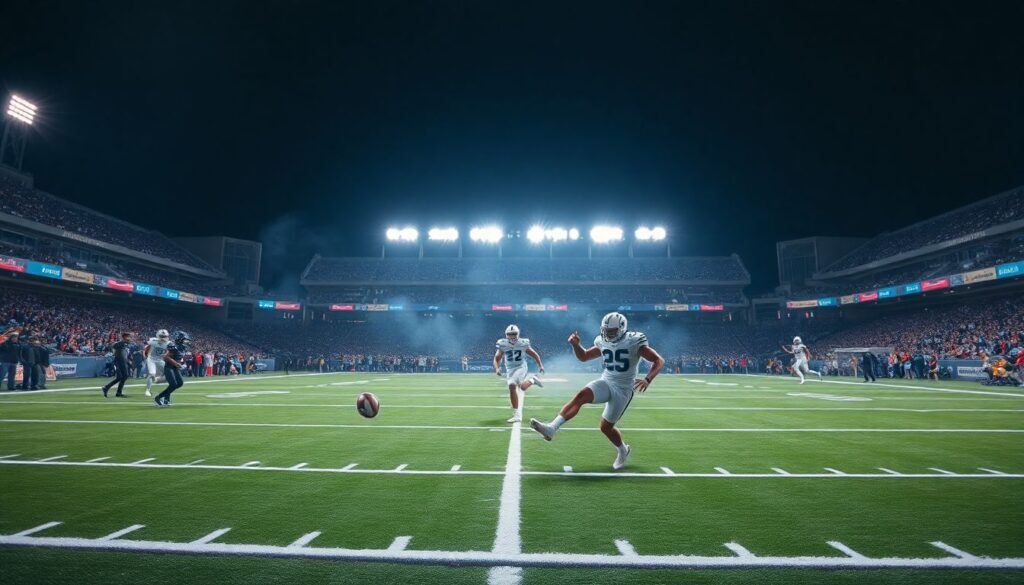
Field position is the yard line where each drive starts. Momentum is the psychological and tactical flow of the game: whether your players feel in control, and whether your opponent feels pressure. Special teams connect those two forces almost every other series.
- Post-touchdown kickoffs: A strong kickoff and coverage unit that pins an opponent deep after you score can stack pressure. The defense can call more aggressive looks because a stop likely hands your offense a short field and a chance to take full control.
- Backed-up punts from your own end: When your offense stalls inside its own 10, a clean operation, secure snap, and smart directional punt can prevent a disaster. Even flipping the field to midfield can feel like a victory and a reset of momentum.
- Pinning inside the 10 or 5: A well-executed punt or coffin-corner kick that traps the opponent deep forces their offensive coordinator into conservative calls. One stuffed run or incomplete pass suddenly creates a third-and-long in a loud stadium, feeding your pass rush and crowd energy.
- Onside and surprise kicks: Well-timed surprise onside kicks or alternative kickoff strategies change possession math. They are most powerful when your offense is hot and you want to keep the ball away from an explosive opponent.
- End-of-half field goals: Special teams operation speed and sideline organization determine whether you steal a late field goal. That swing of points and emotional lift into the locker room often outweighs the raw yardage of the drive itself.
Application: for lower-budget teams, simply scripting where you want the ball (for example, aiming every kickoff to the right numbers) can create consistent field position trends even without elite leg strength.
Example: a high school team with an average kicker commits to low-line drive, directional kicks to a weak returner. Over a season they deny big returns, regularly start drives near their own 35 instead of 45, and keep games close against faster opponents.
Personnel Decisions: Matching Skill to Situation
Special teams personnel management means selecting players whose traits match the demands of specific units and situations, not just filling spots with backups. Speed, tackling, block destruction, judgment, and ball skills matter more than whether a player is nominally an offensive or defensive starter.
Special teams-heavy programs start depth-chart meetings by asking who must be on particular units rather than who is left over. Good coordinators also understand snap counts, fatigue, and risk of injury, rotating roles without diluting quality on critical downs.
Scenario: you want elite coverage on punt in a playoff game, but your roster is thin. Instead of using tired two-way starters on every special team, you identify three or four core contributors with specific tasks (like containing the boundary) and surround them with young, hungry role players trained on narrow assignments.
Advantages of Optimized Special Teams Personnel
- Better coverage integrity from players chosen for speed, leverage, and tackling angles.
- Fewer blown protections and free runners at your punter or kicker.
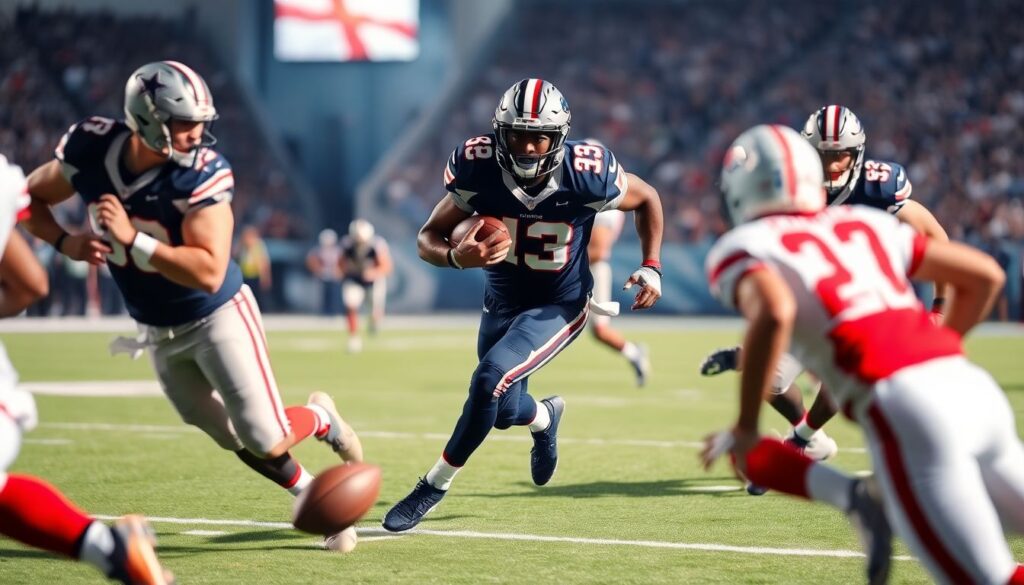
- More explosive returns by putting your best ball-carrier in space with committed blockers.
- Higher overall buy-in when players see a clear path to the field through special teams.
- More flexibility to call aggressive fakes or rushes due to trust in assignments.
Limitations and Constraints You Must Manage
- Injury risk increases if you use every star player on all major special teams units.
- Fatigue can degrade offensive and defensive performance if snap counts stay too high.
- Small-roster teams may struggle to find enough skilled bodies without cross-training.
- Limited practice time forces trade-offs between scheme complexity and execution quality.
- Budget constraints may prevent investing in dedicated specialists or external consultants.
Low-resource alternative: if you cannot afford premium special teams coaching services football programs, build a simple rule-based depth chart. Rank players for speed, tackling, route-running, and ball skills, then assign them to units where those traits are most valuable rather than by traditional position labels.
Practice Design: Drills That Translate to Game Impact
Special teams practice design defines how you convert scheme on paper into reliable execution under pressure. Effective plans prioritize live operation (snap, hold, kick), realistic spacing and angles, and rapid, repeatable reps instead of long, unfocused walk-throughs.
Drills must simulate time pressure, crowd noise, and sudden-change situations. For programs that cannot travel to an extended football special teams training camp, short, daily blocks with high-intensity, small-sided drills are often more practical and just as effective.
Common Mistakes and Unhelpful Myths
- Treating special teams as conditioning only: Running sprints with a ball does not teach leverage, landmarks, or eye discipline. Every rep should include a clear assignment and coaching point.
- Overloading players with complex schemes: Installing too many exotic looks dilutes execution. It is usually better to run one or two core schemes at high quality than many at low quality.
- Ignoring specialists in team periods: Kickers and punters standing aside for most of practice hurts timing. Integrate full operation reps regularly so the snapper, holder, and kicker feel game-like pressure.
- Skipping situational rehearsals: Teams that never practice onside hands team, last-second field goal fire drills, or backed-up punts often panic when those situations appear in real games.
- Neglecting film-based teaching: Even without extra staff, using an online special teams coaching course or sharing curated cutups from successful programs can upgrade your drill menu and teaching language.
- Copying schemes without matching your roster: Downloading what looks like the best special teams playbook download is useless if your players cannot execute its spacing, speed demands, or protection rules.
Example: instead of a generic coverage drill, run a kickoff coverage lane drill where each player must fit a specific landmark on the field, then finish with a form tackle or tag-off on a moving returner. Track missed fits and celebrate perfect lane integrity.
In-Game Strategy: Situational Calls and Risk Management
In-game special teams strategy is the sequence of decisions about kicks, fakes, rushes, and field position trades. It balances risk and reward using game context: score, time, weather, opponent tendencies, and how your own units are performing that day.
Coaches who master this build simple rules and decision trees that staff and players understand in advance. This reduces sideline chaos and allows quick, confident calls under the play clock without endless debate.
Scenario mini-sequence:
- Your offense stalls on the opponent 38-yard line into a stiff wind.
- Your kicker’s realistic range today ends near the 30; a field goal attempt is low probability.
- You choose a pooch punt from a field goal look, trying to pin the opponent inside the 10 instead of risking a miss and short field.
Simple decision logic for middling distances might look like this in plain language:
- If fourth-and-short in plus territory and your offense is hot, lean offense.
- If your defense is dominating and the opponent’s offense struggles, lean to pin deep with a punt.
- If weather or protection is shaky, avoid long field goals that risk momentum swings on short fields.
Resource-conscious alternative: if you cannot hire special teams consultant nfl college caliber, assign one assistant to build a basic decision chart using your own data. Combine that with insights from an online special teams coaching course to refine how you handle gray-area fourth downs, kickoffs after penalties, and onside decisions.
Example: over a season, you might learn that your coverage unit dominates while long field goals are inconsistent. Adjust your chart to punt more often near the fringe of field goal range and rely on defense plus field position to generate points.
Common Concerns and Tactical Clarifications
Do I need a dedicated special teams coordinator at lower levels?
No, but you need a clear owner. One coach should coordinate install, game plans, and practice scripts, even if other assistants run individual drills or units. Clarity of responsibility matters more than title.
How much practice time should I give special teams each week?
Many successful programs treat special teams like a third phase with daily segments, even if short. Aim for multiple focused blocks across the week, mixing unit install, live operation, and situational rehearsals instead of one long, unfocused period.
Can a weak-legged kicker still help us win field position?
Yes. Directional kicks, high hang time, squibs to specific returners, and strong coverage discipline can all offset limited leg strength. Field position is about coordination and placement as much as raw distance.
How do I convince players that special teams matter?
Show clips where games swing on returns, blocks, and field position, including your own film. Then attach playing time and recognition to special teams performance so athletes see a real path onto the field and into leadership roles.
What if I cannot afford clinics or private coaches?
Use affordable alternatives: study film, exchange ideas with nearby coaches, and take advantage of free or low-cost resources. Even without travel to a football special teams training camp, you can refine schemes and drills by focusing on fundamentals and clear rules.
Is downloading a complex playbook a good shortcut?
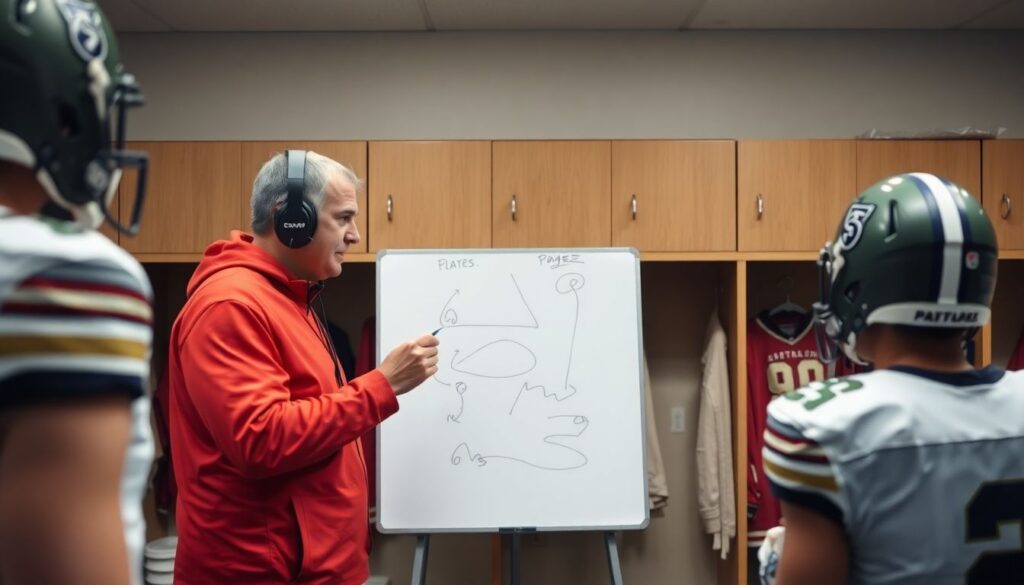
Not by itself. The best special teams playbook download is still only a tool. You must adapt it to your roster, simplify language, and drill a few core concepts rather than chasing every diagram or gadget play.
How do I start improving if our special teams are already a weakness?
Begin by tightening operations: clean snaps, secure protection, and sound coverage lanes. Then introduce one or two simple return schemes you can block well. Track a few core metrics like starting field position and penalties to measure progress over time.