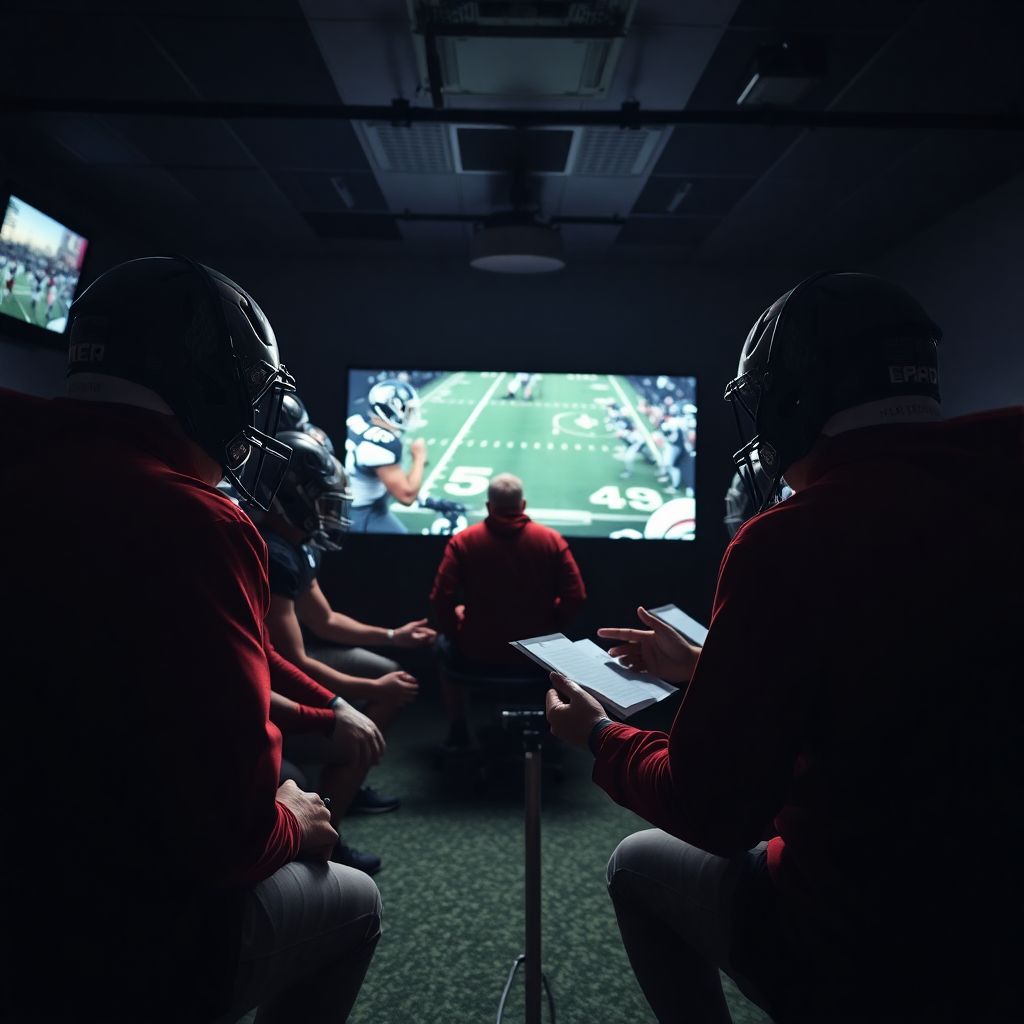
To stop high-powered offenses, build a film-driven game plan: identify core concepts, attack protection rules, disguise coverage, and dictate matchups. Use flexible defensive football schemes to stop high powered offenses instead of chasing every play. Script pressures, coverage tools, and checks by situation, then rehearse communication so players adjust at NFL tempo without busts.
Quick Tactical Overview: How Defenses Disrupt Elite Offenses
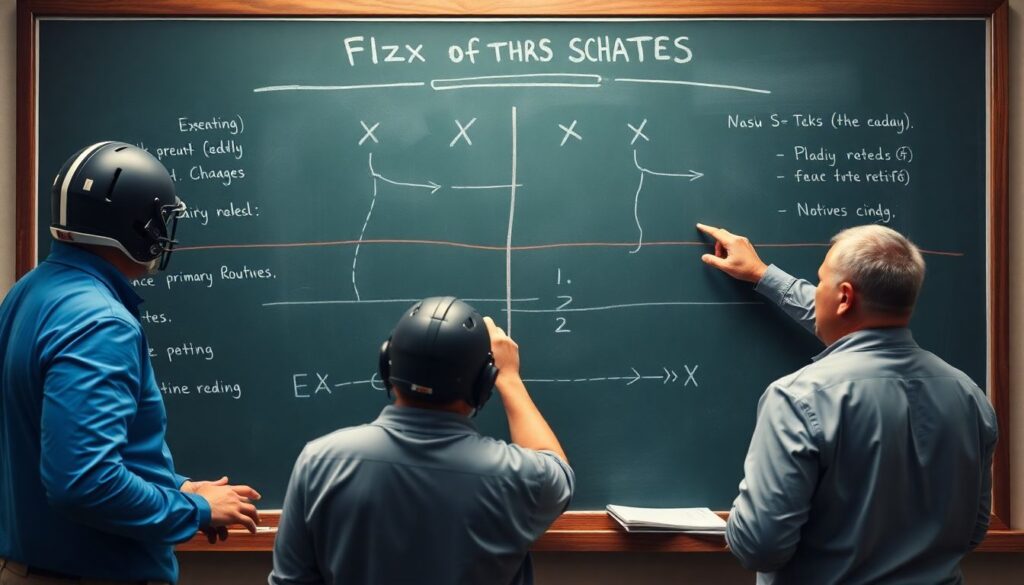
- Build the plan off their top 5-8 concepts, not the full playbook; force them into left-handed answers.
- Structure coverages to take away primary reads and favorite matchups, then overload protection rules.
- Tag front/coverage together so every blitz has a clean post-snap picture for your DBs.
- Win early downs with light-box disguises that can spin late into plus-one run fits.
- Script third-down, red-zone, and tempo answers as separate mini-game plans.
- Use live data: call sheets must tighten after each series as tendencies confirm or change.
Pre‑snap Diagnosis: Reading Personnel, Alignments and Motion
This approach fits coordinators and position coaches who already understand base coverages and fronts, and who want practical tools on how to game plan against explosive NFL offenses and college spread systems. It is not ideal for true beginners who lack terminology or for youth levels where complexity outpaces player capacity.
- Start with personnel groupings. Chart how often each grouping appears and which core concepts live in 11, 12, 21, and empty. Build your defensive menu around these buckets.
- Identify formation tells. Use film to tag formations that strongly lean run, RPO, or shot plays. Note reduced splits, stacked sets, and boundary trips as alerts for specific concepts.
- Study motion purpose, not just direction. Distinguish motions that change strength (jet, fly, TE trade) from window-dressing motions. Track which motions create shot opportunities and which try to force coverage checks.
- Define auto-checks for the defense. For each stress formation or motion, decide in advance: do you travel, bump, spin the safety, or pressure? Fewer, well-repped answers beat a long menu.
- Teach QBs' pre-snap rules to your defense. In the film room, pause before the snap and ask: "If I were their QB, what look do I like? What coverage do I think this is?" Then build disguises around breaking those rules.
Coverage Structure: Disguises, Rotations and Sky/Boundary Principles
Before layering in exotic calls, ensure your tools, language, and workflows support complex coverage structures and the best defensive coordinator strategies against spread offense concepts.
- Concept language and cut-ups. Create film study packages for defensive coordinators and coaches with labeled clips for smash, four verts, Y-cross, dagger, flood, RPO families, and your coverage answers to each.
- Install menu. You need at minimum: split-safety (quarters/Palms), middle-of-field closed (Cover 3/1), pressure coverages (3 fire zone, 1-robber), and match rules vs bunch/stacks.
- Disguise library. Practice showing two-high and rotating to one-high (sky/roll), showing one-high and buzzing to trap (cloud), and late safety spins tied to the snap count.
- Boundary/field (sky/boundary) rules. Decide when the boundary safety is primary force and when the corner/cloud player is; tie this to specific fronts so run fits and coverage don't conflict.
- Communication tools. Build simple tags on the call sheet for "carry the vertical," "cut the crosser," "push the three" so DBs understand adjustments without new full calls.
- Education resources. If staff is still learning, leverage online courses for learning advanced football defensive schemes so your terminology and rules stay consistent across position rooms.
Pass Rush Architecture: Stunts, Blitz Packages and Rush Lanes
Use this sequence on each opponent to design a safe, disciplined rush plan that complements back-end coverage.
-
Map the protection rules. Study film to see how they sort four-, five-, and six-man protections, plus their answers to overloads.
- Note if the back scans inside-out or outside-in, and which linemen are most vulnerable to games.
- Record which pressures actually hit the QB, not just "looked good."
-
Define base rush lane integrity. Start with four-man rush rules versus pocket and mobile QBs.
- Assign contain, B-gap, A-gap, and opposite B-gap rules so you do not open escape alleys.
- Coach "cage rush" vs scrambling QBs: squeeze, keep shoulders square, finish high and inside-out.
-
Build a core stunt package. Choose 3-5 two-man games (T-E, E-T, T-T) that your front can execute from multiple looks.
- Tag stunts to specific protections: pick on the weakest link, not just a favorite call.
- Drill timing: penetrator goes now, looper works tight off the hip with eyes on the QB.
-
Design complementary blitz families. Create 2-3 pressure families that pair with your main coverages (e.g., fire zone off your Cover 3, simulated pressure out of your two-high shell).
- Decide where you want the free rusher to appear: from field, boundary, inside, or green-dog on the back.
- Ensure back-end rules are simple: "3 under 3 deep" or "4 under 2 deep" with clear seam/flat leverage.
-
Script situation-specific rush plans. Build separate menus for third-and-long, third-and-medium, red zone, and two-minute.
- On long yardage, emphasize simulated pressures that threaten pressure but keep seven in coverage.
- In the red zone, reduce games that run you past the QB; coach vertical, controlled push instead.
-
Drill safe, repeatable mechanics. Emphasize rush lane discipline, avoid high hits, and coach finish through the waist and thighs to keep players healthy and clean.
- Use practice tempo that protects the QB while still teaching path, hand placement, and escape angles.
Fast-Track Rush Planning Checklist
- Identify their top three protections and weakest blocker from film.
- Choose two core four-man stunts and two pressure looks that attack those weak points.
- Tie each pressure to a simple coverage (fire zone or 1-robber) your DBs already know.
- Script calls by down-and-distance and rehearse them in a two-minute, fast-tempo practice period.
Manipulating Run‑Pass Conflict: Leverage, Box Counts and Force Rules
Use this checklist to verify that your plan is actually controlling the run-pass conflict created by modern high-powered attacks.
- On film, your conflict defenders (overhangs, apex players, safeties) trigger decisively on run with clear leverage rules, not hesitation.
- Box counts are favorable or even on early downs without constantly living in zero or cover-0 pressure.
- RPOs are throwing into tight windows or covered grass, not free glance and slant routes with no underneath presence.
- Perimeter screens are tackled for minimal gain by force/contain players fitting inside-out and outside-in as coached.
- Your "force" and "spill" rules are consistent across fronts and coverages; players do not argue fits post-snap.
- When you spin a safety down late, the coverage structure behind it still handles vertical routes without busts.
- QB-read runs (zone read, power read) are giving the ball to the less dangerous runner by your design.
- Motion and formation into the boundary do not pull your apex players out of conflict zones you need to defend.
- Explosive runs allowed on tape are the result of missed tackles, not chronic structural problems in box count or force rules.
Gameplan by Situation: Third‑Down, Red Zone and Tempo Control
These are common mistakes coordinators make when building a game plan to handle situational football against high-powered and spread offenses.
- Using the same coverage menu on third-and-long as on third-and-medium, instead of emphasizing sticks awareness and QB launch point.
- Ignoring route depth and favorite concepts on money downs; chasing formations instead of concepts.
- Blitzing in the red zone with no clear answer for pick routes, rubs, and bunch stacks near the goal line.
- Living in man coverage versus condensed splits without a banjo or in-and-out plan on stacks and bunches.
- Failing to have a specific "tempo defense" call when offenses go hurry-up, leading to misalignments and busted fits.
- Over-rotating personnel on third down, then getting caught with the wrong package when the offense changes tempo.
- Calling exotic simulated pressures your players barely repped instead of reliable, well-practiced pressure families.
- Neglecting field zone tendencies; using the full call sheet backed up or in the high red zone instead of a trimmed, safe package.
- Not aligning your defensive football schemes to stop high powered offenses with special-teams and offensive plans for complementary football (field position, clock, and score management).
Live Adjustments: On‑the‑fly Calls, Personnel Substitutions and Signal Chains
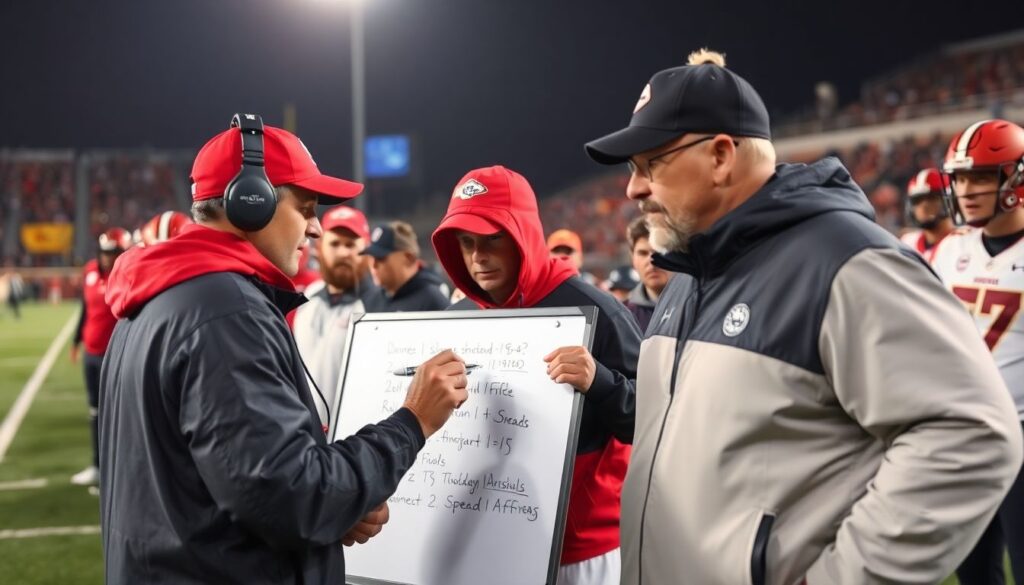
Even the best defensive coordinator strategies against spread offense designs need live alternatives when the opponent changes course mid-game. Here are four structured options and when they fit.
- Check-based system within one front. Keep the same front and main coverage, but build simple checks (e.g., "alert bunch," "alert empty") that adjust alignments and match rules. Best for younger defenses that need stability.
- Possession-based call sheet tightening. After each series, remove calls that do not fit how this offense is actually attacking you. Ideal when you prepared broadly for how to game plan against explosive NFL offenses but see a narrower menu on game day.
- Specialized sub-packages. Use nickel, dime, or "speed" fronts as alternate answers when the offense leans heavy into 10/11 spread personnel. Works when your roster has clear coverage or rush specialists.
- Tempo-proof "stay" calls. Design 1-2 all-purpose calls that can handle run, pass, and tempo without substitution. Use them when the opponent goes warp speed or when substitution rules and safety are a concern.
Tactical Clarifications Often Raised by Coaches
How much of the game plan should change week to week?
Keep your core structures (fronts, coverages, base pressures) consistent and change window dressing and matchups. Only introduce a few new calls that directly attack this opponent's protections and favorite concepts.
What is the first thing to study on film against a spread offense?
Start with formations and personnel, then identify their top five concepts out of each grouping. From there, build defensive football schemes to stop high powered offenses by attacking those core concepts, not their change-ups.
How do I avoid busts when disguising coverage?
Limit the number of disguises and tie each to a simple rule: "show two-high, spin late to three" or "show press, bail at the QB's hands." Rehearse them in walk-through and against tempo so movement never delays alignment.
When should I bring pressure versus elite QBs?
Pressure when you have a clear protection tell, a matchup you like, or in situations where the ball must come out on time (third-and-medium, red zone). Avoid random blitzing on early downs unless you understand their shot tendencies.
How do I train assistants to handle advanced schemes?
Standardize terminology, create shared cut-ups, and invest in film study packages for defensive coordinators and coaches and online courses for learning advanced football defensive schemes so every position coach is teaching the same rules.
Is it better to major in man or zone versus high-powered offenses?
Most successful plans blend both: pattern-match zone that looks like man, plus selective true man on key downs. Choose what fits your roster's strengths and tackling ability rather than copying someone else's ratio.
How often should I adjust the plan during the game?
Use the first 2-3 series to confirm tendencies, then tighten the call sheet. Adjust immediately if you see a new stress formation or concept, but avoid wholesale change unless you clearly misjudged their identity.