
The journey from high school Friday night lights to Sunday spotlight in professional football is a staged, measurable process: build fundamental skills and film, create a sharp recruiting profile, follow a structured training plan, secure college opportunities, maximize game-day performance, and then manage recovery, branding, and representation to sustain a long-term career.
Preseason Checklist: Core Milestones for the Journey
- Clarify position and role (e.g., boundary corner, slot receiver, 3-down back) by sophomore year of high school.
- Secure quality varsity film with at least one full game and a concise highlight reel before junior season ends.
- Reach baseline physical metrics for your level (speed, strength, and conditioning benchmarks set by your position coach).
- Attend 1-3 targeted events: the best football camps for high school players that align with your current level and goals.
- Build a basic recruiting package: grades, test scores, verified measurables, and contact sheet by early junior year.
- Establish an annual plan for training, competition, rest, and academic milestones, reviewed every off-season.
Assessing High School Foundations: Skills, Film, and Metrics
This phase suits motivated high school athletes, late middle-school standouts, and parents planning realistic pathways. It is appropriate if you already play organized tackle football, can commit to regular training, and have academic support for eligibility.
It is not ideal if you have unresolved medical issues, cannot maintain passing grades, or lack basic safety coaching. In these cases, prioritize health, academics, and fundamental technique with local football training programs for youth athletes before chasing exposure.
- Clarify Position Identity
- Choose your primary position and one secondary role based on coach feedback, body type, and skill set.
- Example target: by start of junior year, you introduce yourself to coaches as “Outside WR / KR” or “MIKE LB / ST core.”
- Benchmark Core Skills
- List 5-7 core skills for your position (e.g., press technique, route tree, pass pro, open-field tackling) and rate yourself 1-5.
- Example: “Press footwork: 2/5; top-end speed separation: 3/5; ball skills: 4/5.” Reassess every 8-12 weeks.
- Measure Physical Metrics Safely
- With a coach, record height, weight, sprint time, agility drill, and a few safe strength indicators (e.g., bodyweight reps, submax lifts).
- Avoid max-effort testing without proper supervision; progress gradually and retest quarterly.
- Audit Your Game Film
- Collect complete game footage and identify 10-15 plays that best show your speed, toughness, and decision-making.
- Example: one drive showing coverage skills, one special teams rep, and one high-effort pursuit play.
- Create a Simple Evaluation Log
- Maintain a one-page log with date, metric or skill, current level, and next target.
- Review with your position coach at least twice per season and update action items.
Building a College-Ready Profile: Recruitment Strategy Checklist
Use this checklist to assemble what recruiters and college football recruiting services expect to see.
- Academic and Eligibility Materials
- Current transcript with GPA and class rank, if available.
- Standardized test scores if already taken; if not, add projected test dates.
- Eligibility-center registration as soon as your school counselor recommends it.
- Verified Athletic Information
- Primary and secondary positions, height and weight documented by a coach or trainer.
- Recent times on core tests (e.g., sprints, agility) recorded under supervision, never self-reported without labeling them as such.
- Organized Film Package
- Highlight reel (2-4 minutes) starting with your best 5-7 clips, clearly labeled with number, position, and game.
- Separate link to at least one full game so coaches can assess consistency, effort, and play-to-play discipline.
- Contact and Bio Sheet
- Full name, graduation year, school, position, jersey number, coaches’ contacts, and your best email and phone number.
- Brief bio line: “6’0″ WR, Class of 20XX, 3.5 GPA, 2-way starter, special teams contributor.”
- Digital Presence
- Simple player page or profile on a recruiting platform used by college football recruiting services, kept accurate and up to date.
- Clean public social media; post football content that reflects work ethic and team-first attitude, avoid arguments or questionable posts.
- Target School List
- Shortlist 10-20 programs across levels where your current measurables and academics are realistic fits.
- Track email outreach, camp invitations, and responses in a basic spreadsheet once per month.
- Event Strategy
- Plan 1-3 events in the next year, prioritizing the best football camps for high school players that match your region and competitive level.
- Focus on quality reps and skill instruction, not just testing numbers.
Transitioning Techniques: Physical, Tactical, and Mental Training Plan
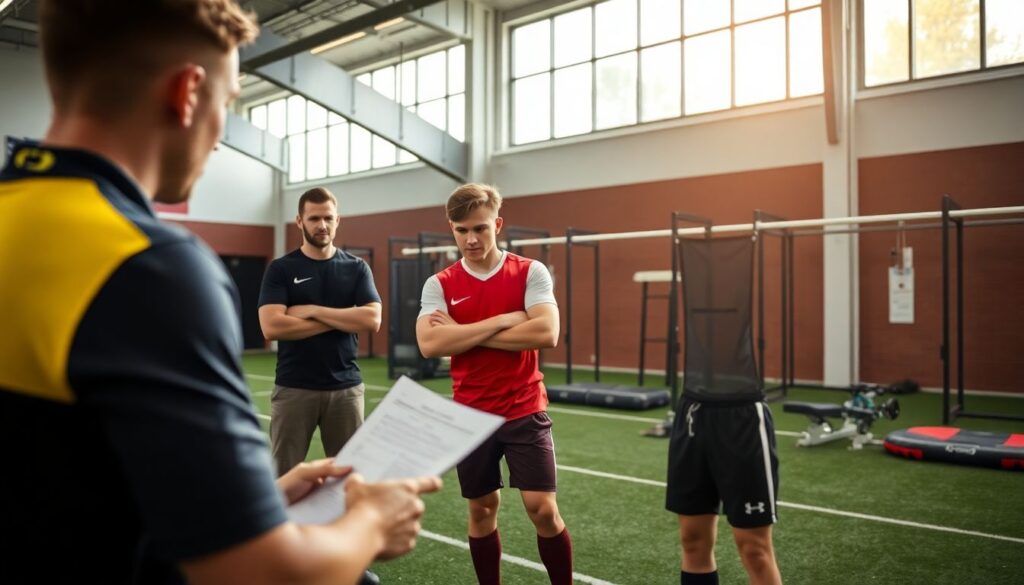
Before following this training plan, confirm you have medical clearance, a basic strength foundation, and access to safe facilities. Coordinate with your coaches so workloads from team practice, personal training, and any external football training programs for youth athletes do not overlap dangerously.
Quick preparation checklist:
- Medical check-up confirming you are cleared for high-intensity training within the last year.
- Baseline log of current weekly schedule: school, team practice, lifting, and recovery time.
- Access to a safe weight room with supervision and field space at least 3 times per week.
- Appropriate footwear and the best football gear and equipment for aspiring pros that fits and is in good condition.
- Notebook or digital app to track sessions, loads, and perceived effort.
- Map the Year into Clear Phases
Divide your calendar into off-season, pre-season, in-season, and post-season blocks with distinct goals.
- Off-season: build strength and movement quality.
- Pre-season: sharpen speed, conditioning, and position-specific skills.
- In-season: maintain strength, focus on recovery, and refine game plans.
- Post-season: heal, review, and reset goals.
- Install a Safe Strength and Power Base
Schedule 2-4 supervised strength sessions per week depending on your level and season, prioritizing compound movements and technique.
- Emphasize full range of motion, controlled tempo, and appropriate loads rather than maxing out.
- Example: 3 sets of a moderate squat variation, hinge, push, and pull, plus core work, twice per week in-season.
- Structure Speed and Agility Work
Allocate 2-3 field sessions per week for acceleration, top speed, and change-of-direction skills, avoiding excessive volume.
- Short sprints with full rest for quality; add position-specific movement (e.g., backpedal to break, stem to cut).
- Stop if technique breaks down from fatigue; quality over quantity to reduce injury risk.
- Integrate Position-Specific Tactical Drills
Twice per week, run scripted scenarios that mirror your actual role in games.
- Example for a DB: press and off-coverage releases, route recognition, pursuit angles, and tackling form on bags or pads.
- Track completion percentage or successful reps per drill to evaluate progress.
- Install Weekly Film and Study Blocks
Set 2-3 sessions of 20-30 minutes for film review and playbook study, ideally on low-impact days.
- Session 1: your own game or practice film focusing on one theme (e.g., third down decisions).
- Session 2: opponents’ tendencies and common formations you will see next game.
- Practice Mental Skills and Game Readiness
Include short mental training practices 3-5 times per week.
- Examples: 5 minutes of breathing exercises, 5 minutes of visualization of specific plays, and a simple pre-sleep routine.
- Record your stress levels and game confidence weekly to see patterns.
- Plan Recovery and Injury Prevention
Assign clear recovery blocks to balance workload and reduce risk.
- At least one full rest day weekly, plus mobility work after sessions.
- Use simple scales to track soreness and energy; adjust load if you stay excessively sore or fatigued for several days.
Navigating College to Pro: Eligibility, Exposure, and Representation Steps
Use this checklist to verify you are on a realistic path from college to the professional level and to determine how to get noticed by football scouts safely and effectively.
- Eligibility requirements for your competition level are met each term, with academic advisors confirming status.
- Film from every season is organized, backed up, and includes both highlights and full games against quality opponents.
- You have a clear list of leagues and pathways (NFL, CFL, alternative or international leagues) that match your production and measurables.
- Coaches and trusted mentors agree on your realistic level and position fit; feedback is consistent, not based on a single opinion.
- Exposure activities (pro days, combines, showcases) are chosen selectively, with safety, verified testing, and reputable organizers.
- Any agent or advisor you consider is properly certified where required, transparent about fees, and open to background checks.
- You understand basic contract structures, timelines, and roster processes in your target league before signing anything.
- Your off-field record is clean: no unresolved legal issues, consistent community or team involvement, and professional online presence.
- Plan B options are defined: additional leagues, non-playing roles, or careers you can move toward if a roster spot does not materialize.
Game-Day to Spotlight: Performance Optimization and Situational Prep
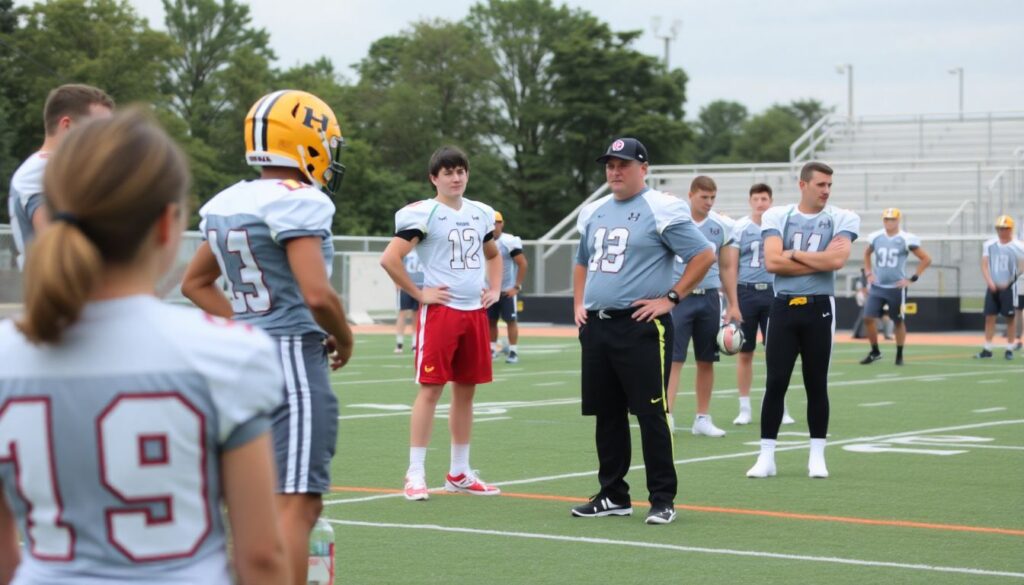
These are frequent mistakes that limit performance and visibility from high school through the professional level.
- Overloading game day with new techniques or plays instead of relying on what has been consistently repped in practice.
- Skipping structured warm-up or hydration and relying only on adrenaline, increasing injury risk and early fatigue.
- Ignoring special teams preparation, even though it is often where scouts first evaluate effort, toughness, and versatility.
- Chasing personal stats at the expense of assignments, resulting in blown coverages, missed fits, or penalties on key downs.
- Reacting emotionally to mistakes instead of using a reset routine (breath, cue word, next-play focus) between snaps.
- Underestimating film preparation for situational football, such as red zone, third-and-medium, or two-minute drill tendencies.
- Wearing flashy but unsafe or poorly fitted equipment instead of prioritizing the best football gear and equipment for aspiring pros that meets safety guidelines.
- Failing to review games objectively within 24-48 hours, missing chances to correct patterns before the next week.
- Talking to scouts or media without a simple, honest message prepared, which can come off as unfocused or unprofessional.
Sustaining Pro Success: Recovery, Branding, and Career Management Actions
These alternative paths and adjustments can keep your career progressing even if the standard route stalls or needs to change.
- Alternative Competitive Pathways
Consider international leagues, developmental leagues, or indoor formats to gain film and experience when primary leagues are out of reach.
- Appropriate when you are healthy, motivated, and need recent film to re-enter higher levels.
- Role Transitions on the Field
Shift positions (e.g., from college QB to pro WR, or from safety to linebacker) when your body type and traits fit better elsewhere.
- Appropriate if coaches and scouts consistently project you at a different spot and you are open to relearning technique.
- Branding and Off-Field Career Focus
Invest in personal branding, media skills, and non-playing career development (coaching, analysis, business, or community work).
- Appropriate if injuries limit playing time, or you prefer long-term stability alongside or after your playing career.
- Coaching and Development Roles
Move into coaching, scouting, or player development roles at youth, high school, or college levels.
- Appropriate for players who enjoy teaching and want to stay in the game, sometimes within football training programs for youth athletes.
Quick Answers to Practical Concerns Along the Path
How early should I start preparing seriously for a potential college or pro football career?
Start building good habits as soon as you play organized football, but take structured preparation seriously around early high school. Before that, focus on safe technique, multi-sport development, and enjoyment so you arrive at high school healthy, coordinated, and motivated.
What is the safest way to increase my strength and speed without getting injured?
Use supervised strength training, gradual progression in load and volume, and consistent warm-up and cool-down routines. Combine short, high-quality speed sessions with at least one full rest day per week and regular check-ins with a qualified coach or trainer.
How can I get noticed by football scouts without chasing every camp or combine?
Prioritize strong in-game performance, clean film, and a reliable reputation with your coaches. Then choose a small number of reputable events and best football camps for high school players, and make sure your highlight reel and contact information are easy for scouts to access.
Do I need an agent to move from college football to the professional level?
You only need an agent when you are realistically entering a professional market where contracts are involved. Before signing with anyone, confirm their certifications, talk to former clients, and review all agreements with a trusted advisor or legal professional.
What should I do if I do not get a college scholarship offer?
Consider walk-on opportunities, lower-division programs, or junior colleges that match your academics and skill level. Continue developing your body, film, and academics while keeping realistic backup plans in education or other careers.
How important are academics if my main goal is a professional football career?
Academics are critical because they determine eligibility, influence recruiting decisions, and provide a foundation after football. Strong grades and discipline in the classroom reduce stress for coaches and scouts evaluating your reliability and long-term potential.
What is the best way for parents to support this journey without adding pressure?
Parents can focus on health, transportation, communication with coaches, and a stable home routine. Encourage effort, sportsmanship, and balance rather than only outcomes, and let qualified coaches handle most technical and tactical feedback.