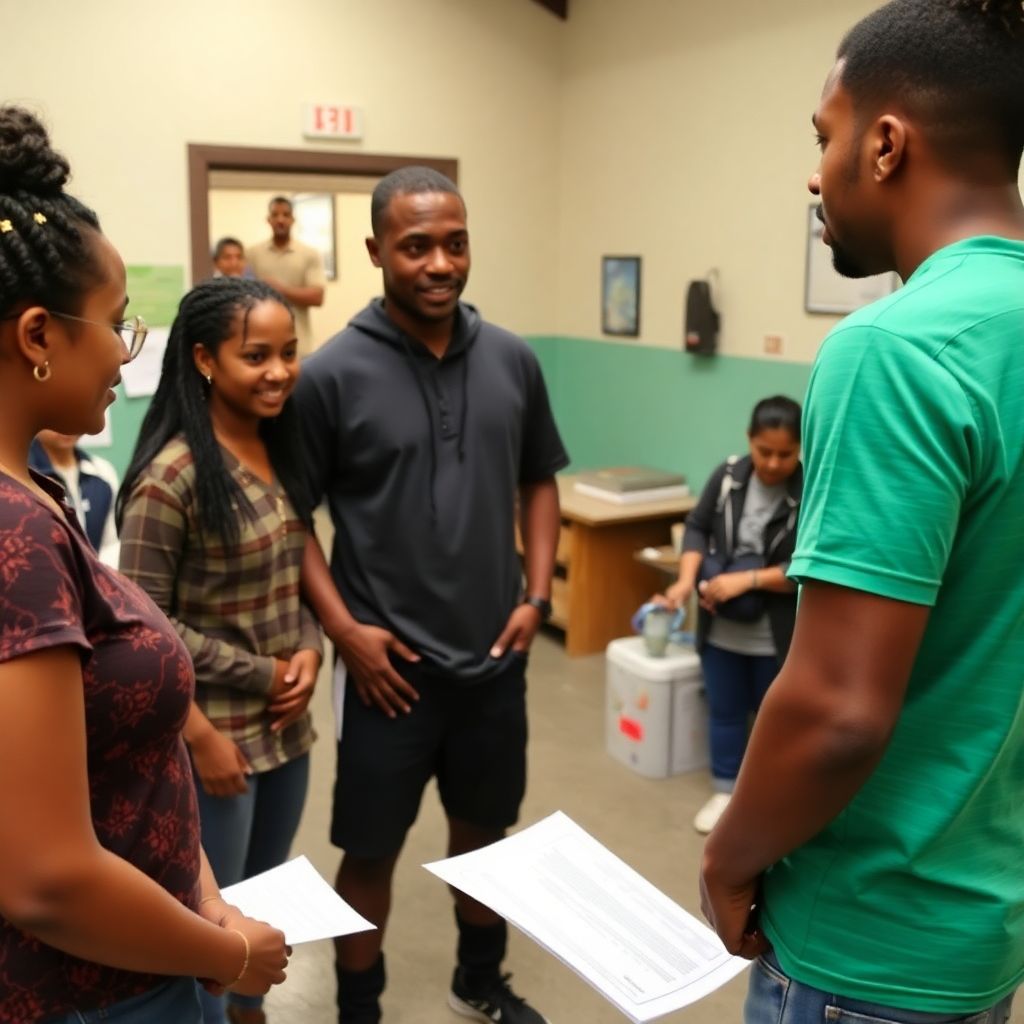
Athletes can create off-the-field impact by starting small, focused community projects, building safeguards around money and reputation, and partnering with trusted organizations. Begin with one clear cause, protect your time and privacy, formalize legal and tax structures early, track simple outcome metrics, and grow only when operations and governance are stable.
Impact snapshots and measurable outcomes
- Define one primary cause where the athlete has lived experience or clear motivation, making athlete-led community outreach initiatives authentic and sustainable.
- Start with a pilot project (one season, one neighborhood) before launching full sports philanthropy programs for athletes or a formal foundation.
- Track a short list of KPIs: people reached, engagement quality, retention of partners, and media sentiment, not just social media likes.
- Use existing NGOs, clubs, and schools as delivery partners to reduce operational risk while keeping player visibility and storytelling strong.
- Secure written agreements and basic compliance checks before accepting corporate sponsorships for athlete community programs.
- Review results at least once per season and adjust scope, budget, or partners before scaling up or registering a charity.
Understanding athlete motivations and community needs
Athletes giving back to the community is most impactful when personal motivation and real local needs overlap. Before creating any initiative, clarify why the player wants to help and who should benefit. This avoids scattered efforts and reduces the risk of short-lived, publicity-only projects.
Common motivations include:
- Personal story: injury, illness, poverty, or discrimination the athlete experienced or witnessed.
- Place-based loyalty: hometown, youth club, or college that shaped their career.
- Issue awareness: mental health, education, girls in sport, or inclusive access to facilities.
- Legacy building: desire to be remembered for more than on-field success.
To understand community needs safely and accurately:
- Talk to front-line organizations: schools, youth clubs, shelters, health clinics, and existing NGOs.
- Ask for data they already collect (attendance, waiting lists, outcomes) instead of starting new surveys immediately.
- Listen to community leaders (coaches, teachers, faith leaders) about what works and what has failed before.
- Prioritize gaps where the athlete’s presence makes a real difference (role-model effect, access to facilities, visibility).
When this approach is not a good fit:
- If the athlete has less than minimal time (no stable off-season or rest days) to engage safely and consistently.
- If there is an open legal, disciplinary, or reputation issue that could harm community partners by association.
- If the primary driver is only short-term publicity around a contract or transfer, with no plan beyond one event.
- If the athlete’s mental health team advises against additional public commitments at this stage.
Designing programs that balance athlete time and community benefit
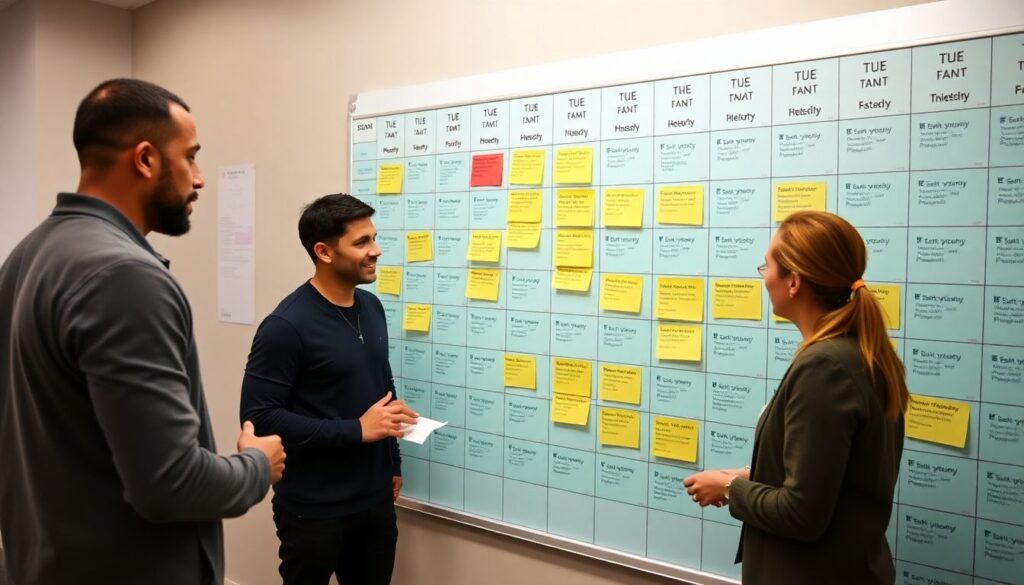
Design starts with constraints: time, energy, privacy, and career stage. The safest sports philanthropy programs for athletes are simple, repeatable formats delivered mainly by partners, with the player doing high-impact, low-frequency appearances.
Core inputs you will need:
- Time map: a calendar showing in-season, off-season, travel days, recovery windows, and media commitments.
- Support team: at least an agent/manager, legal counsel, accountant, and one community liaison or project manager.
- Risk review: a short written list of red lines (no cash handouts, no political events, no unmanaged crowds).
- Basic tools: email domain, simple website or page, secure file storage, and a standard briefing template for events.
- Partner access: introductions to reputable NGOs, clubs, or schools with good safeguarding policies.
Try one of these low-risk program formats:
- Clinic days hosted by a club or NGO, with staff running drills and the athlete focusing on short, structured interactions.
- Scholarships or grants administered by an established foundation, with the player serving as a selector and ambassador.
- Mental health or education campaigns where professionals deliver content and the athlete amplifies messages and stories.
- Facility access initiatives, where the athlete leverages relationships with venues to open safe training time for youth.
Protect the athlete’s time and well-being by:
- Setting a maximum number of events per month and per season.
- Using clear event protocols (security, transport, media, social posts, no unsupervised one-on-one interactions with minors).
- Scheduling recovery before and after larger appearances, especially during competition periods.
- Having a trusted staff member present at all public activities.
Legal, financial and reputational risks to anticipate
Before diving into the steps of how professional athletes start a charity foundation or community program, consider these key risks and limitations:
- Legal structures carry ongoing obligations (tax filings, reporting, board governance) that cannot safely be ignored.
- Handling money directly (donations, grants, tickets) without controls increases fraud, theft, and tax risk.
- Using the athlete’s name or image commercially requires contracts and clarity on ownership and approvals.
- Safeguarding failures (especially in youth programs) can cause serious harm and lasting reputational damage.
- Social media amplifies every misstep, so transparency and documentation are essential for crisis response.
Use the following safe, structured process to set up or formalize initiatives.
-
Clarify scope and choose a low-risk format
Start with a written one-page concept: mission, target group, and 1-2 core activities. Where possible, begin under an existing NGO or club instead of immediately registering a new entity.
-
Select an appropriate legal structure
With a qualified lawyer and accountant, decide whether to: collaborate with an existing charity, set up a donor-advised fund, or incorporate a new nonprofit or foundation in your jurisdiction.
- Document pros and cons for cost, control, tax benefits, and reporting duties.
- Avoid informal cash-based projects that bypass legal structures.
-
Build basic governance and oversight
Even for small athlete-led community outreach initiatives, define who approves budgets, who signs contracts, and how conflicts of interest are handled.
- Appoint a small board or advisory group with at least one independent member.
- Set simple rules for related-party deals (family businesses, friends, agents).
-
Put financial controls and transparency in place
Open separate bank accounts, require dual approval for payments, and keep clear records of income and spending.
- Use accounting software or a professional bookkeeper.
- Produce an annual summary of activities and finances that can be shared with stakeholders.
-
Address safeguarding, insurance, and health & safety
Any program involving children, vulnerable adults, or physical activity must meet safeguarding standards.
- Work with partners that already have background checks, codes of conduct, and reporting procedures.
- Ensure events have appropriate insurance and documented risk assessments.
-
Manage image rights, branding, and media use
Agree which logos, names, and images are used and who can approve campaigns, especially where corporate sponsorships for athlete community programs are involved.
- Include clear clauses on social posts, appearances, and conflict-of-interest rules.
- Reserve the right to veto partners that clash with the athlete’s values or contracts.
-
Plan communications and crisis response
Create short guidelines covering what the athlete will say publicly, how success is reported, and how complaints are handled.
- Nominate a spokesperson and media contact.
- Prepare holding statements in case of accidents, allegations, or negative press.
Measuring social return: KPIs, data sources and evaluation cadence
Tracking outcomes does not need to be complex. Use a simple checklist and adjust over time.
- Define 3-5 core KPIs per program (for example: participants served, session attendance, program completion, or scholarships renewed).
- Agree which partner collects which data and how often; avoid duplicate or intrusive surveys.
- Combine quantitative data (numbers, attendance) with qualitative stories (interviews, case notes) for a fuller picture.
- Track athlete time and energy spent: appearances, preparation hours, and travel days.
- Monitor reputation indicators: press coverage tone, stakeholder feedback, and social media sentiment.
- Set a review cadence: at minimum, one light check every quarter and a deeper review once per season.
- Use dashboards or one-page scorecards rather than long narrative reports.
- Share results with funders, partners, and the community, including what did not work and what will change.
- Link evaluation to decisions: continue, adapt, pause, or close specific activities.
- Protect privacy by aggregating data and anonymizing personal stories unless explicit consent is documented.
Forming effective partnerships with clubs, NGOs and local authorities
Partnerships multiply impact but also risk. Avoid these common mistakes when building corporate sponsorships for athlete community programs or collaborations with public bodies.
- Partnering without due diligence on financial health, safeguarding standards, and past controversies.
- Agreeing verbally and skipping written MOUs or contracts that define roles, logos, and reporting duties.
- Letting sponsors dominate program design to the point where community needs are sidelined.
- Ignoring the athlete’s existing club or league obligations, which can clash with new campaigns or brands.
- Overpromising player access (time, appearances, social media posts) beyond realistic schedules.
- Failing to align expectations on data: who owns photos, stories, and monitoring information.
- Not involving local authorities early where permits, security, or use of public spaces are required.
- Underestimating cultural and language differences, especially when working across borders or communities.
- Overlooking succession: relationships depend only on one contact who may move jobs or clubs.
- Skipping regular joint reviews, so minor misunderstandings grow into conflicts or public disputes.
Scaling and sustaining initiatives: replication, delegation and exit planning
Not every athlete project needs to become a standalone foundation. Consider these alternative paths, and when they are appropriate.
-
Partner-led scaling
Instead of growing your own organization, support a trusted NGO or club to replicate the model in new locations. This fits when the athlete wants impact growth without building large internal staff.
-
Donor-advised or pass-through funds
Use an existing community foundation or charity to manage donations, while the athlete focuses on storytelling and selection of grantees. This is suitable when long-term administration is not feasible.
-
Time-limited campaigns
Create a clear start and end date (for example, one contract period or one major tournament cycle). This works when the goal is to address a specific issue or milestone without permanent structures.
-
Legacy handover
Plan for an eventual exit by identifying local leaders, alumni, or partner organizations who can take ownership. This is appropriate when the athlete is nearing retirement or relocating.
In every scenario, document how decisions will be made, how funds and assets are transferred if needed, and how commitments to communities will continue or close responsibly.
Practical implementation questions and quick solutions
How small can an athlete community project start safely?

Start with one partner, one location, and one clear activity that fits within existing safeguarding and insurance frameworks. Use a written agreement, track basic outcomes, and run it for at least one season before considering expansion.
When should a professional athlete register a charity foundation?
Consider formal registration only when donations and activities are recurring, partners request a legal entity, and you have access to legal, accounting, and governance support. Until then, work through existing NGOs or donor-advised funds to reduce risk.
How can athletes protect their personal time and privacy?
Set explicit appearance limits, route all requests through a manager or project lead, and avoid sharing personal contact details with participants or unvetted organizers. Use clear event protocols for photos, autographs, and social media.
What is the safest way to handle donations and sponsorship money?
Never mix project funds with personal accounts. Use a dedicated account controlled by at least two authorized people, documented budgets, and basic accounting tools. Where possible, have a reputable partner organization receive and manage funds.
How often should impact be measured and reported?
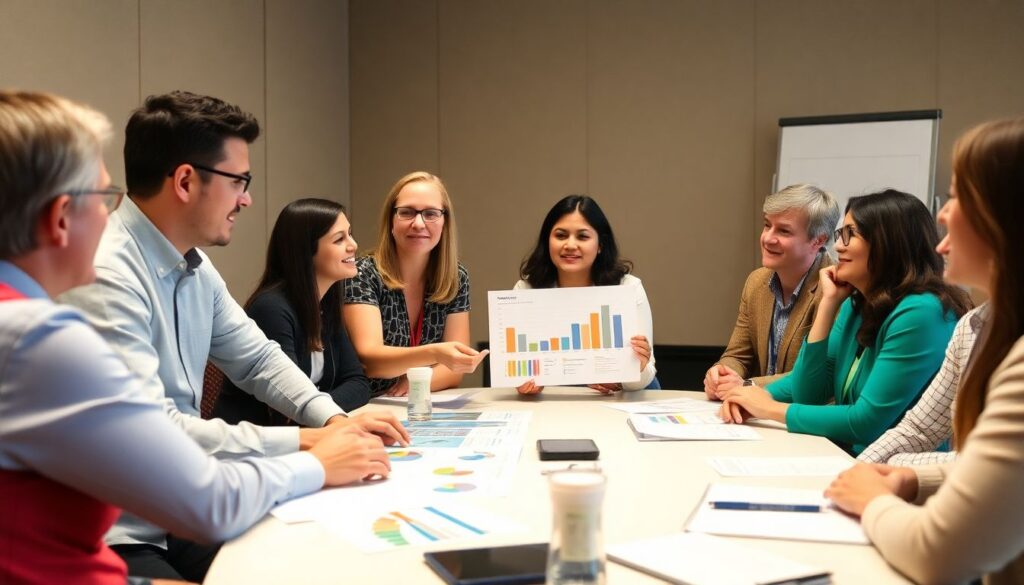
Review core KPIs at least quarterly and do a deeper season-end review with partners. Share a short annual summary with funders and stakeholders, highlighting both successes and lessons learned.
What if a partner’s behavior threatens the athlete’s reputation?
Include exit clauses in agreements that allow you to suspend or end partnerships if there are legal, ethical, or safeguarding concerns. Communicate changes transparently and prioritize the safety and well-being of participants.
Can community work continue after the athlete changes clubs or retires?
Yes, if the program is not tied only to one team or location and there is a local leadership structure. Plan early for handover, new ambassadors, or a revised brand that reflects the athlete’s new context.