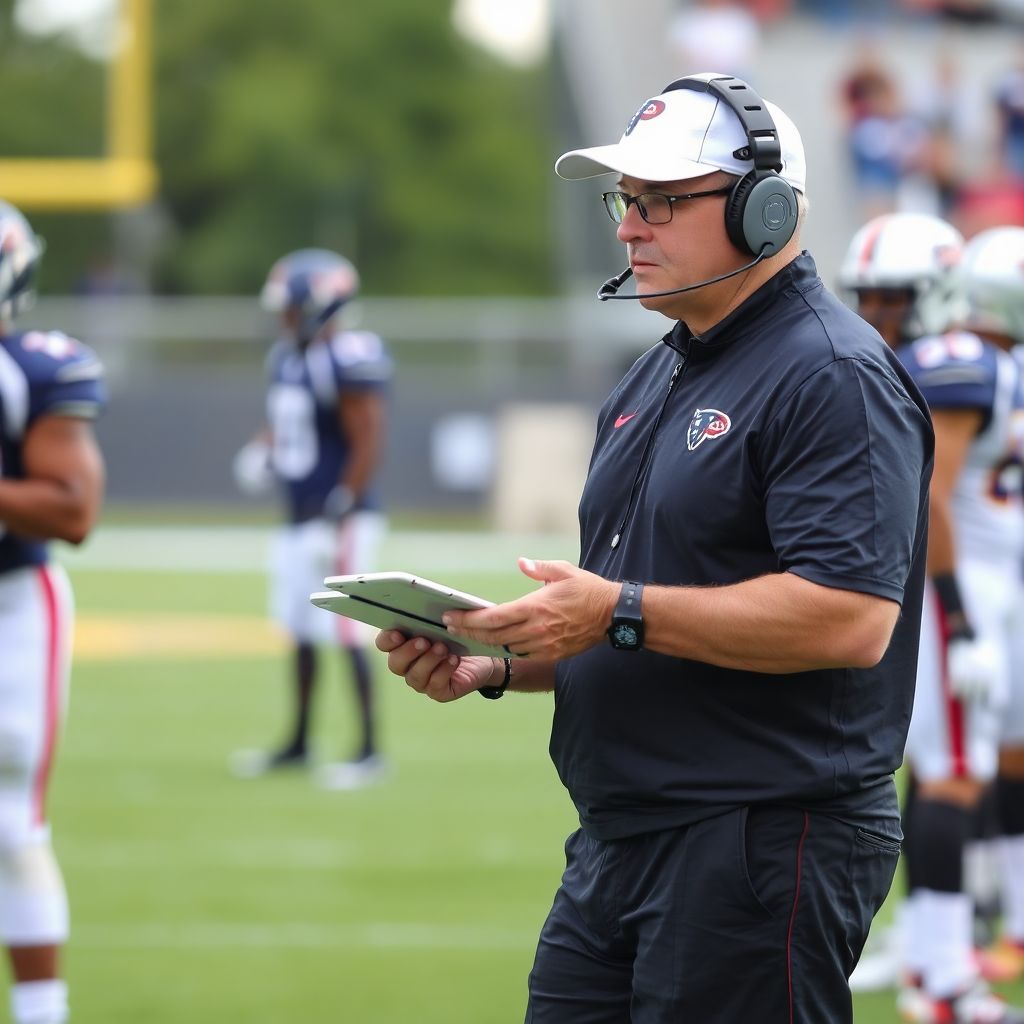
Rule changes have pushed college football defenses toward lighter, faster personnel, more simulated pressure, pattern‑match coverages, and rotation‑heavy depth charts. To stay effective, coordinators now trade some aggression for efficiency, disguise instead of constant blitzing, and script communication rules that survive tempo, new substitution limits, and expanded protections for offensive players.
Snapshot: How recent rules reshaped defensive play
- Tempo and substitution limits reduced wholesale personnel packages and forced more base or hybrid looks on the field for entire series.
- Player-safety rules around hits and contact zones changed tackling targets, press technique and middle-of-the-field coverage leverage.
- Blocking and RPO-related adjustments expanded gray areas, so defenses shifted to pattern-match and spot-drop hybrids instead of pure man or spot zone.
- Clock and timing changes increased snap volume, elevating the value of depth, rotation planning and simple, repeatable calls.
- Pass-rush strategies moved from pure numbers blitzing toward creepers, simulated pressure and four-man games that preserve coverage integrity.
- Run fits became more spill-and-chase oriented, emphasizing angles, pursuit and force/fit rules over heavy boxes every down.
Common Myths About Rule Changes and Defensive Tactics
When coaches and analysts discuss how rule changes affect college football defense, three myths appear constantly. The first is that defenses have “no chance” against modern offenses because rules favor scoring. The second is that only exotic blitz packages work now. The third is that playbooks must be entirely reinvented.
In reality, modern college football defensive schemes still succeed with fundamentals: leverage, angles, tackling, and pre- and post-snap disguise. Rule changes mainly punish outdated techniques (high hits, blindside blows, grabby downfield contact) and slow substitution patterns, not sound structure. Smart staffs trim, re-sequence and re-teach concepts rather than deleting everything.
Another myth is that only the best defensive playbooks for college football can survive tempo and RPOs. The advantage is not the size or cleverness of the playbook, but clarity of rules. Defenses that translate calls into simple “if/then” rules for each position adapt fastest to officiating and offensive trends.
Finally, many believe rules dictated a universal blueprint. In practice, college football defensive strategies splintered: some lean into simulated pressure and tight pattern-match; others major in drop-eight or three-safety structures. Rule changes narrowed what is legal, but within those boundaries there is still wide room for identity and game-specific tailoring.
Targeted rules that forced schematic overhauls
Specific rule areas pushed coordinators to rethink structure, personnel and teaching progressions. Rather than memorizing every clause, focus on how each bucket changes leverage, angles and substitution.
- Tempo and substitution restrictions – Fast-paced offenses and substitution timing rules punished heavy dependence on situational packages. Defenses responded with hybrid personnel (nickel, dollar, three-safety looks) that can defend run and pass without constant swapping, plus simplified calls that can be signaled and executed at high speed.
- Player-safety and targeting emphasis – Stricter definitions around hits to the head, defenseless receivers and blindside blocks drove changes in strike zone and tackling technique. Defenses now emphasize “eyes up, near hip, wrap and roll” finishes, safer pursuit angles, and bracket coverages that avoid hanging single defenders in high-risk collision zones.
- Downfield contact and coverage restrictions – Tighter enforcement of illegal contact and holding reduced the value of grabby man coverage. Schematically, this accelerated the move toward pattern-match zone, spot-drop coverages on passing downs, and more off/soft alignments that rely on vision and breaks instead of constant hand-fighting downfield.
- Blocking, RPO and screen rules – Expanded use of RPOs and liberal interpretations of blocking at or near the line changed how defenders read keys. Many defenses now key the quarterback and conflict receiver rather than the offensive line only, leveraging pattern-match rules and trap/replace techniques to deny quick access throws.
- Clock and timing modifications – More plays in a game magnify any communication or alignment error. In response, defensive staffs pruned call sheets, bundled concepts (same shell, multiple post-snap rotations), and leaned on coverage families instead of one-off calls, allowing players to play fast deep into high-snap-volume games.
- Blocking on the perimeter and returns – Rules limiting blindside and peel-back blocks altered how screens, perimeter runs and returns unfold. Defenses teach corners and nickels to trigger more aggressively, knowing they are less likely to be de-cleated from the side, which in turn encourages more aggressive force and spill planning on the edge.
Coverage dynamics: alignment, leverage and zone/press trade-offs
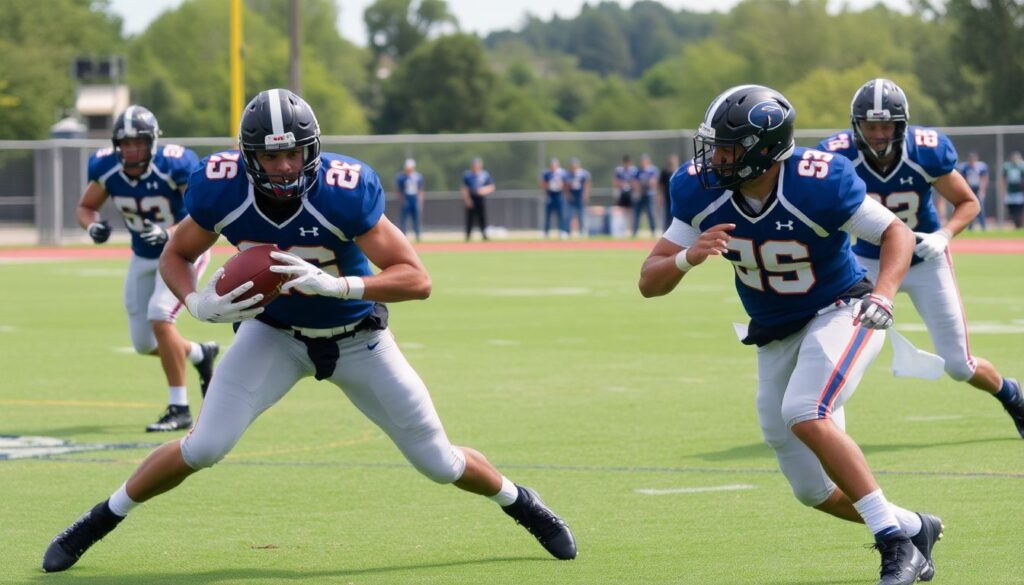
Coverage adjustments sit at the heart of how college football defensive strategies evolved under new rules. The core problem: maintain tight throwing windows without incurring costly penalties or exposing defenders to high-risk tackles.
- Press-man recalibrated, not abandoned – Defenses still press, but with more strike-zone awareness. Corners use scooch or catch techniques, keeping their feet and hands under control instead of lunging. Safeties align with better leverage to protect verticals, allowing corners to play more patient at the line.
- Pattern-match zone as the default answer – Many modern college football defensive schemes treat match coverage as the new “base.” Versus trips and spread sets, defenders relate to routes rather than grass landmarks only. This blends man and zone benefits: you can double key threats while still having vision on the quarterback and breaks on underneath throws.
- Show-two, play-three (and vice versa) – With quarterbacks trained to read safety shells pre-snap, disguising rotation became critical. Defenses frequently show two-high, then spin a safety down late to handle run fits or rob crossers, or show one-high and roll to split-field coverages. The trick is timing: rotate late enough to hide, early enough to fit the run.
- Zone tools vs. fast screens and RPO glances – Rules enabling quick, safe access throws forced nickel and safety techniques to evolve. Many teams now play “trap” or “cloud” variations into the boundary, with corners keying No. 2 for out or bubble and safeties overlapping glances and posts, leveraging inside-out support to stay legal while attacking breaks.
- Red-zone and low-red adjustments – In tight space, penalties are more damaging. Defenses often back off pure press into catch-man or pattern-match brackets inside the 10. This keeps hands downfield under control, forces quarterbacks to throw wider-breaking routes, and leverages the back line as an extra defender without risky contact.
- Communication under tempo – To survive hurry-up under new substitution realities, secondaries adopt simple tags for pattern changes (e.g., “switch,” “lock,” “banjo”). The system turns complex coverage checks into quick one-word reminders, reducing coverage busts when the offense snaps the ball seconds after lining up.
Pass-rush evolution: technique, timing and personnel adaptations
Pass-rush is where rule changes, tempo and offensive innovation most obviously collide. Constant all-out blitzing is less viable when quarterbacks get the ball out quickly and penalties for illegal contact are severe. Defenses reoriented toward efficiency: four-man pressure, simulated pressure and front multiplicity that protect coverage rules.
Upsides of modern pass-rush adaptations
- Simulated pressure and creepers preserve coverage – Defenses can send four rushers from unexpected spots while keeping seven in coverage, disguising which second-level defender is coming and which lineman is dropping, all within legal contact constraints.
- Positionless rush packages maximize speed – Hybrid edges, big nickels and off-ball linebackers become interchangeable rush threats, allowing defenses to attack matchups instead of aligning by traditional position labels.
- Stunts and games create pressure without blitzing – Twist games, long sticks and loopers stress pass protection rules without requiring extra rushers, valuable when penalties and RPOs punish single coverage outside.
- Controlled rush lanes reduce scramble explosives – Emphasis on rush lane integrity and level rush landmarks helps defenses avoid extended scramble plays, where coverage rules break down and flags are more likely.
- Teaching rush-to-bat and rush-to-affect – With quick-game and RPOs, defenders are coached to get hands up and disrupt passing lanes, recognizing that tipped balls and sight-line disruption are as valuable as traditional sacks on early downs.
Constraints and trade-offs defenses must manage
- Complex creepers can overload communication – If every look carries a unique pressure, players bust fits and coverage rules at tempo. Successful systems group pressures into families with consistent rules.
- Dropping linemen introduces matchup issues – Simulated pressures that ask interior linemen to cover space must be carefully selected; bad call selection can isolate a slow dropper in space against a slot.
- Exotic third-down packages can struggle versus unexpected runs – Light, pass-oriented personnel and wide alignments can be gashed if the offense checks to draws or QB run, especially under clock rules that reward staying on schedule.
- Overemphasis on sacks ignores down-and-distance – Hunting sacks in obvious passing situations can lead to roughing penalties or scramble explosives; teaching “smart rush” focused on affecting timing is safer under strict officiating.
- Personnel recruiting must match the vision – A scheme built on simulated pressure and multiplicity requires versatile athletes; without recruiting or developing such players, complexity turns into liability.
Run-defense recalibration: gap discipline, angles and pursuit
Run defense changed less in structure and more in emphasis. The box still needs gaps filled, but rule changes and spread trends pushed defenses to value speed, angles and rules over brute force and extra hats.
- Mistake: Assuming more hats always equal better run defense – Stacking the box every down invites one-on-one coverage penalties and explosive passes. Modern answers use two-high shells with fit rules (spill, force, fold) that keep you structurally sound against both run and pass.
- Mistake: Ignoring perimeter run and screen fits – Rules protecting receivers and limiting violent crackbacks changed how perimeter plays unfold. Defenses that still coach old-school “wait and wrong-arm” on the edge get outleveraged by bubble, swing and pin-and-pull variations.
- Mistake: Teaching static gap assignments versus option and RPO – Against option elements and post-snap reads, rigid “you own this gap forever” coaching breaks down. Modern teaching uses gap-and-a-half, surf and slow-play techniques so defenders can play both run and RPO without illegal contact.
- Myth: Physicality is outlawed – Rule changes do not ban physical run defense; they redirect it. Striking with the near shoulder, keeping the head out, and driving through the near hip are still highly physical while staying within safety guidelines.
- Myth: Light boxes can’t stop the run – With disciplined fits, overlapping pursuit and correct force/contain rules, defenses can handle many run concepts from two-high shells. The challenge is coaching pursuit angles and tackling techniques that finish plays before extra yards after contact accumulate.
From practice to gameplan: coaching, analytics and implementation
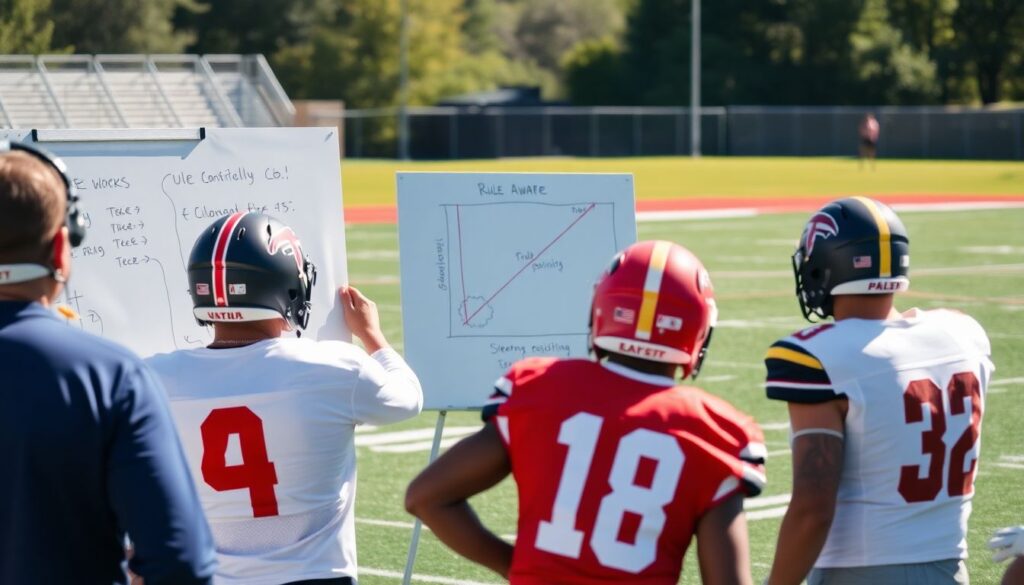
Translating all of this into how to coach college football defense under new rules requires a simple implementation loop: teach rule-aware techniques, call structures that survive tempo, and continuously verify whether the defense is actually benefiting from its adaptations.
Below is a short, practical algorithm to check whether your adjustments to rule changes are improving defensive performance. It assumes you track basic charting data during games and in film breakdown.
- Define your core intent per game – Decide if the weekly plan is built around limiting explosives, limiting yards per rush, reducing RPO efficiency, or increasing negative plays. Rank these so tie-breakers are clear.
- Tag calls and situations – On your film or data sheet, tag each snap by defensive call family (coverage, front, pressure), down-distance, field zone and offensive personnel. This makes later queries on college football defensive strategies meaningful.
- Measure penalty impact by call family – For each coverage and pressure family, count flags related to the new emphasis areas (e.g., illegal contact, targeting, late hits). If a family generates disproportionate penalties, it is misaligned with current rules or technique is undercoached.
- Compare efficiency before and after adjustments – For each major tweak (e.g., more pattern-match, more creepers), compare success rate and explosive rate allowed in similar situations from earlier games or seasons. You are looking for trend direction, not perfect precision.
- Stress-test under tempo – Filter the data to “ball snapped within X seconds of ready-for-play.” Check bust rate (uncovered receivers, unfit gaps) and penalties. If performance collapses only under tempo, simplify verbiage or consolidate your call sheet.
- Evaluate player load and rotation – Using snap counts, identify defenders whose performance drops late in games. If errors rise with fatigue, your structure may be sound but your rotation and practice conditioning need adjustment under current timing rules.
- Feed the results back into the playbook – Treat the best defensive playbooks for college football as living documents. Remove or re-teach calls that consistently fail under new officiating trends or tempo, and repurpose the successful families as templates for future wrinkles.
Repeated each week, this loop keeps modern college football defensive schemes aligned with how officials currently interpret rules and how offenses try to exploit them, instead of relying on outdated assumptions about what “should” work.
Practical answers to recurring coach and analyst concerns
Do defenses need to abandon aggressive man coverage under current rules?
No. Man coverage still works if technique and leverage adapt. Use more catch-man, inside-out help and pattern-match brackets instead of constant press with grabby downfield contact, and pair them with selective pressure rather than blitzing every passing down.
How can a defense stay multiple without creating communication chaos at tempo?
Group calls into families with shared rules and signals, then tag small adjustments (strength, pressure, rotation) rather than calling entirely new concepts. This keeps language compact so players can execute quickly even when the offense snaps the ball immediately.
What is the first thing to fix when penalties spike after rule changes or points of emphasis?
Identify which technique or alignment creates most of the flags, then adjust that teaching clip bank immediately. Often the answer is changing strike zone and hand placement, not ripping out whole coverages or fronts.
Can a light, two-high structure really stop power running teams?
Yes, if fit rules and personnel match. Safeties must be reliable insert players, edges must understand spill/force roles, and interior defenders must play with low pads and gap-and-a-half awareness. Without those details, any structure will look bad versus committed run games.
How should analytics staff support defensive coaches under new rules?
Provide cut-ups and reports organized by call family, tempo, and penalty type, not just by down and distance. This reveals which concepts conflict with how games are currently officiated and which thrive, guiding both gameplanning and off-season teaching.
Is it worth installing exotic pressure packages if the roster lacks hybrid defenders?
Usually no. Start with simple four-man rush games and a small number of creepers that fit current personnel, then expand only as you recruit or develop players comfortable rushing and dropping in space.
How often should a staff revisit its defensive playbook in light of evolving rules?
Review the full defensive system at least once each off-season, then do lighter in-season audits during bye weeks. Focus on trimming or adjusting calls that draw frequent flags or fail under the most common offensive approaches in your conference.