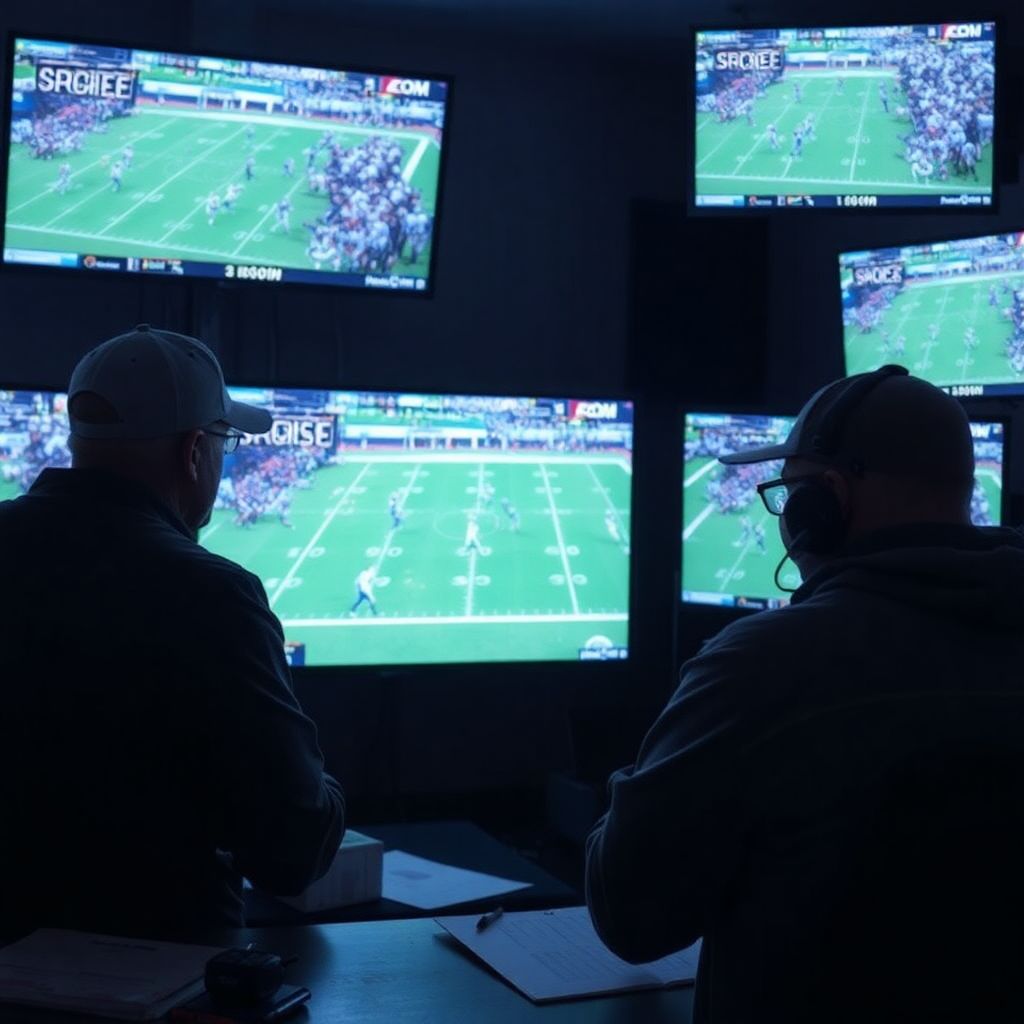
When coaches analyze game tape, they look for repeatable patterns: player technique, assignment integrity, scheme tendencies, and situational decisions. The biggest time-waster is watching film like a fan instead of a problem-solver. Tight questions, clear grading criteria, and structured cut‑ups prevent common errors and turn game tape into actionable practice plans.
What Coaches Prioritize When Watching Tape
- Clarifying the purpose of each film session (self-scout vs opponent scout vs teaching).
- Checking assignment, alignment, and effort before blaming scheme or play call.
- Tagging clips by situation: down-distance, field zone, personnel, motion, and pressure.
- Spotting opponent tendencies and triggers, not isolated “cool plays.”
- Translating observations into simple coaching points and repeatable drills.
- Using football game film analysis software to organize, filter, and share clips efficiently.
Common Myths About Film Study (and Why They’re Wrong)
Film study is not about watching everything; it is about watching the right things with a structured lens. Many coaches and athletes believe more hours automatically produce better results. In reality, clear questions and focused cut‑ups beat marathon sessions where nobody remembers specific coaching points.
Another myth is that film is only about catching mistakes. Effective coaches use film to confirm what is working, reinforce good habits, and build confidence. Only looking for errors creates fear and hesitancy on the field. Balanced feedback-what to keep and what to change-helps athletes play faster.
Some staff members still think “raw hustle” in practice makes film optional. Modern teams rely on dedicated coaches video analysis tools for teams to verify that effort is paired with correct technique, eye discipline, and assignment execution. Skipping film or treating it as punishment lets small flaws become recurring game problems.
Finally, film is not just for college or pro programs. Using an athlete film review software for high school and college levels helps younger players understand concepts visually, shorten learning curves, and avoid repeating simple alignment and leverage mistakes week after week.
Pre‑game Preparation: Framing the Film Session
- Define the objective before pressing play. Decide if the session is: self-scout, opponent scout, position teaching, or situational study. Muddled goals create unfocused discussions and missed details.
- Build targeted cut‑ups. Filter by formation, motion, personnel, and situation so each segment answers one core question (for example, “How do they defend 3×1 on third-and-medium?”).
- Set standards and grading language. Clarify how you define “win,” “neutral,” or “loss” on a rep. Shared language prevents arguments and makes corrections faster in practice.
- Plan your teaching order. Start with big-picture (structure of the opponent or your system), move to position specifics, then to situational nuances. Jumping randomly between topics confuses players.
- Assign note‑taking roles. One coach tracks technical corrections, another logs schematic notes, a third tags situational trends. This prevents the common mistake of everyone talking and nobody documenting.
- Leverage your tools, not just the projector. A sports performance analysis platform for coaches should be set up in advance with tags, playlists, and sharing permissions so you are not wasting meeting time searching for clips.
Evaluating Individual Players: Mechanics, Intent, and Consistency
Coaches inside the film room should evaluate players with the same three lenses every time to avoid emotional, one‑off impressions that change weekly.
- Stance and start. For linemen, quarterbacks, and skill players, most failures trace back to stance, first step, or get‑off. Checking these first prevents overreacting to scheme or play call.
- Eyes and key progression. Whether it is a safety reading the quarterback, a guard reading a shaded defender, or a receiver reading leverage, eye discipline often explains late reactions or blown coverages.
- Feet and leverage. Balance, base width, and angle of attack dictate power and control. On tape, freeze just after the first two steps to see if players are putting themselves in winnable positions.
- Assignment execution. Evaluate if the player did what was called, not what they thought would work. Many “effort” issues are players trying to fix a play they do not fully understand.
- Decision intent. For decision‑makers (QB, MLB, safeties), ask whether the decision matched your rules, not whether the result was positive. Otherwise, players learn from results instead of from sound process.
- Consistency over highlights. Use your football game film analysis software to pull all reps for one player in a concept (for example, every outside zone rep) and grade trends. Avoid judging based on one big play or one obvious mistake.
Reading Systems: Identifying Schemes, Tendencies, and Triggers
Breaking down systems is where modern coaches video analysis tools for teams provide the most value. Tagging by formation, motion, backfield set, and field position reveals how an opponent actually wants to play, not just what their “base” scheme is on paper.
Advantages of System‑Level Film Reading
- Clearer opponent identity. You quickly see what they major in, not just the wrinkles that happened to show up in a single game.
- Actionable game‑plan rules. You can create simple “if/then” rules for your players based on common formations and motions.
- Early diagnosis of mismatch issues. Coverage or front structures that give you trouble appear repeatedly on tape, letting you adjust the menu before game day.
- Better pressure and protection planning. Systematic tagging of blitzes, stunts, and protection schemes makes it easier to design answers instead of guessing.
Limitations and Built‑In Risks
- Overfitting to old tape. Opponents can self‑scout too; they may break tendencies you are counting on if you lean too heavily on past patterns.
- Small sample size. If your cut‑ups contain only a few snaps of a specific look, treat any “tendencies” from them as weak evidence.
- Ignoring your own personnel. A great system answer on paper might not fit your current roster’s skill set or communication capacity.
- Overcomplication for players. Turning every tiny tendency into a new rule overwhelms athletes. Stick to the strongest, most visible patterns.
Situational Breakdown: Third Down, Red Zone, and Clock Management
Situational film is where small mental errors turn into big scoreboard swings. Many coaching staffs pull clips but do not organize them by situation well enough to teach clear rules.
- Third down: chasing calls instead of concepts. A frequent mistake is copying the opponent’s favorite third‑down call rather than understanding their pressure and coverage families. Focus on “how they think” on third down, not isolated blitzes.
- Red zone: forgetting space and timing. Teams often run their middle‑of‑the‑field concepts in the red zone without adjusting spacing or route depth, which shows up on tape as receivers stacked in the same window.
- Two‑minute: ignoring clock and sideline habits. Coaches sometimes overlook how opponents defend the sidelines, spike situations, or QB scrambles. Film reveals whether a defense protects the sticks, boundary, or deep ball first.
- Backed‑up and coming‑out: treating them as normal series. Offenses backed up and defenses in “pin them” mode call the game differently. Not tagging these snaps separately hides valuable field‑position tendencies.
- Short yardage: overreacting to one stop. Staffs may scrap an entire short‑yardage package because of one failure on tape. Review pad level, double‑team movement, and edge leverage before rewriting the playbook.
- Special situations: forgetting hidden yardage. Kicks, punts, and return decisions impact field position more than most single plays. Misjudged fair catches or poor lane discipline are easy corrections once highlighted in a cut‑up.
From Tape to Practice: Translating Observations into Drills and Adjustments
The biggest waste of film work is failing to connect what you see to what you practice. Every major observation should become either a new drill, a tweak to existing periods, or a simple rule your players can remember under pressure.
One effective approach is to pair each key film takeaway with a direct practice action:
- Identify a repeated issue on tape. For example, your defense consistently loses contain against bootlegs to the boundary.
- Define the coaching point in one sentence. “Force players must keep outside shoulder free and stay level with the QB rollout depth.”
- Create or adjust a drill. Add a five‑minute period where the defense sees multiple boot looks from different formations. Freeze at the quarterback’s set point to check force leverage and pursuit angles.
- Set a clear success benchmark. In staff notes, record that you want a certain percentage of these practice reps with the QB turned back inside and all pursuit angles outside‑in. Do not overcomplicate the metric.
- Use your tools to track progress. Clip these practice reps in your sports performance analysis platform for coaches so you can compare “before” and “after” tape over several weeks.
- Re‑evaluate in the next game. After the next opponent who runs bootleg concepts, use your best game tape breakdown service for football teams or in‑house staff to tag every related snap and see whether the correction held up under live pressure.
When this loop is tight-film, coaching point, drill, re‑check-your athlete film review software for high school and college players becomes more than storage. It turns every game into a feedback engine that systematically removes repeated mistakes instead of just exposing them.
Common Clarifications Coaches Are Asked About Film Work
How long should a productive team film session last?
Length matters less than focus. Short, tightly organized sessions built around one goal are more effective than long, unfocused meetings. As a rule, end while players can still clearly repeat the key coaching points back to you.
Should we watch more of our own tape or our opponent’s?
Early in the season, prioritize your own tape to clean up alignment, communication, and base technique. As your identity stabilizes, shift more time to opponent tendencies and situational study while still self‑scouting weekly.
How do I keep players engaged during video meetings?
Ask questions, call on different players, and use short clip segments. Alternate between positive and corrective examples, and finish each segment with one simple rule or cue players can write down or repeat.
What is the best way to use film with younger or less experienced players?
Show fewer clips with clearer contrasts: “This is the right version, this is the wrong version.” Avoid scheme overload and focus on stance, alignment, and one or two technique details per position group.
How much should we rely on tags and data from video analysis tools?
Tags and data from football game film analysis software are powerful, but they do not replace coaching judgment. Use them to find patterns, then manually verify a handful of clips before making major game‑plan changes.
Is it worth outsourcing breakdown work to a third‑party service?
Using the best game tape breakdown service for football teams can save staff time on tagging and data entry. It is still essential, however, that your own coaches watch enough of the tape to trust and interpret the numbers.
How do we balance individual corrections with system and scheme teaching?
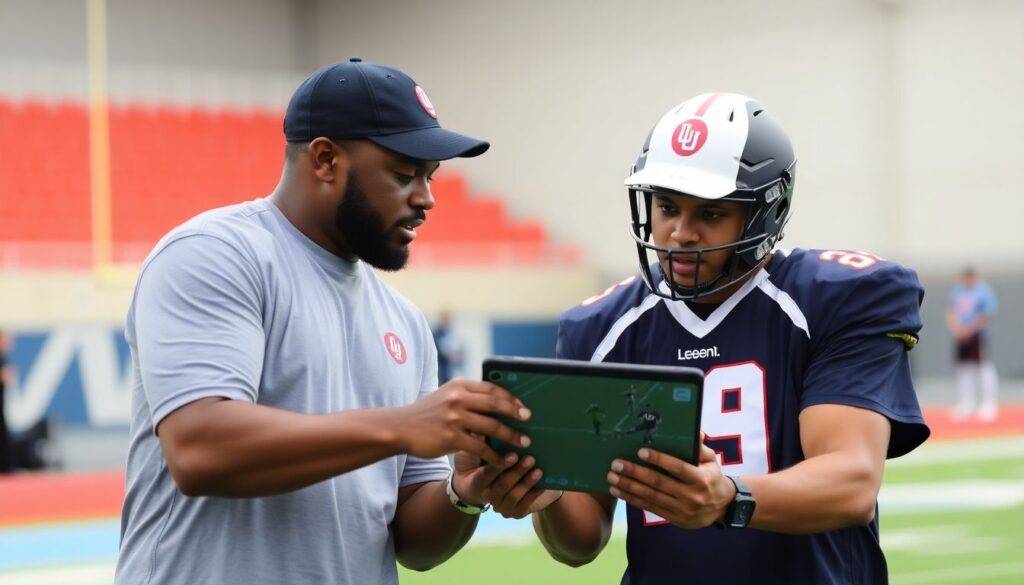
Start with system context-what you were trying to do-then zoom in to individual technique. Finish by zooming back out to how the corrected detail will change the play’s outcome in future similar situations.