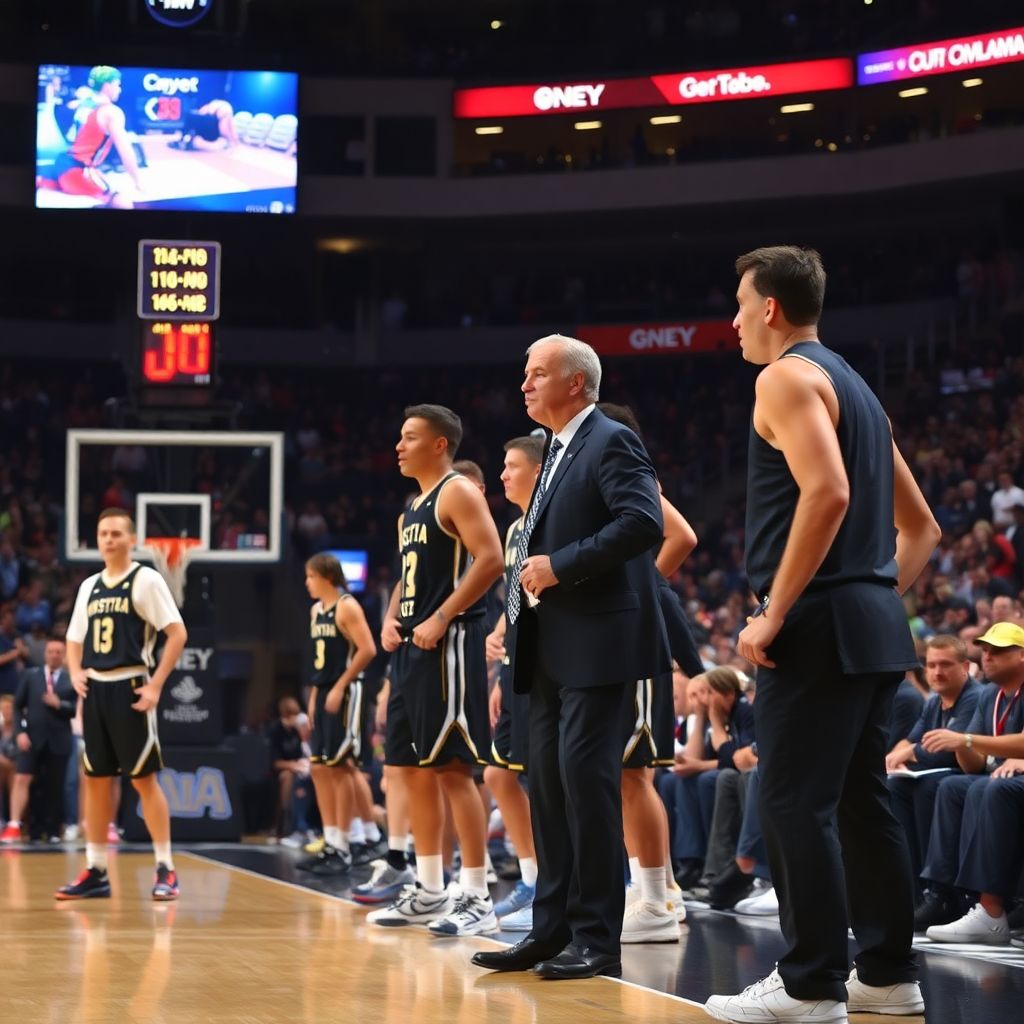
A fourth-quarter rally is built on clear game-state diagnosis, disciplined tactical tweaks, and calm execution under pressure. Use simple rules for time, score, and energy, then adjust matchups, spacing, and tempo. Combine mental toughness training for late game comebacks with rehearsed plays so athletes recognize, trust, and execute comeback scenarios.
Pre-Game Essentials: What to Lock Down Before the Fourth
- Define 2-3 go-to comeback packages on offense and defense (sets you can call instantly).
- Agree on simple time-score rules for fouling, tempo, and shot selection.
- Assign clear late-game roles: primary creator, finisher, spacer, communicator.
- Practice two-minute and four-minute game segments at least once per week.
- Install a reset routine (breath + cue word) for huddles and free breaks.
- Scout opponent end-game habits: who they trust, where they like to attack, how they close games.
Diagnosing the Game State: Read the Scoreboard and Momentum
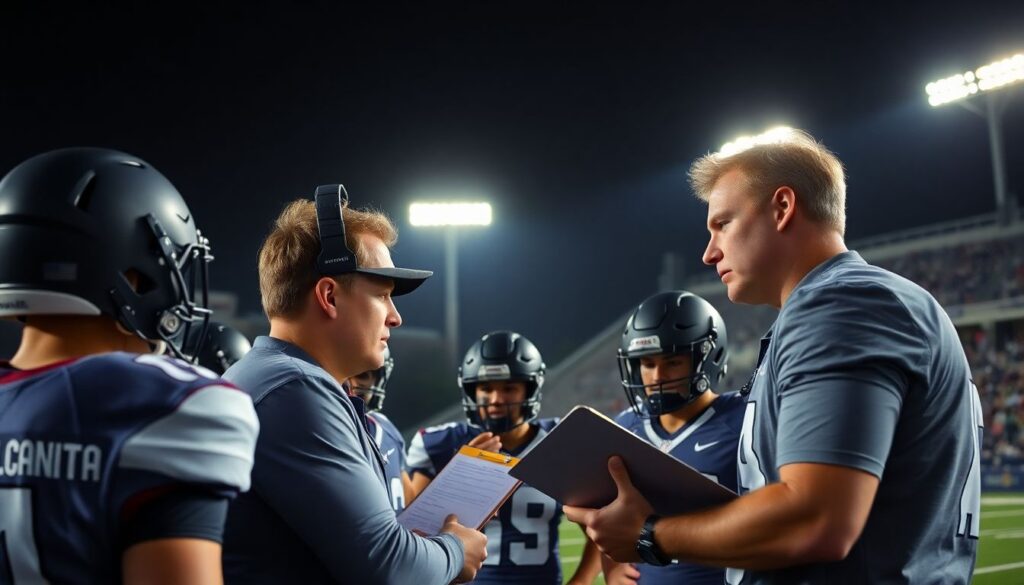
Comebacks start with an honest read of score, time, and emotional flow. This section fits team sport coaches and captains looking for practical fourth quarter comeback strategies in football, basketball, or similar invasion games. Avoid overreacting when the math says a slow, controlled approach still wins.
- Score margin bands:
- 0-2 score game: keep full playbook; emphasize execution over risk.
- One-possession-per-minute down: add controlled pressure, shorten your rotations.
- Multiple scores down with low clock: accept higher-risk plays and quick scoring.
- Clock checkpoints:
- Under 8: identify win condition (fast game vs. slow game).
- Under 4: lock into your comeback package; no new concepts.
- Under 2: shift to possession-by-possession thinking.
- Foul and timeout inventory:
- Count team fouls and key players on the edge of fouling out.
- Decide exactly when to start intentional fouling or clock-stopping tactics (if needed).
- Reserve one timeout for an end-game special or emergency.
- Momentum indicators:
- Shot quality: are you getting your preferred looks, or theirs?
- Turnover pattern: live-ball turnovers usually mean emergency defensive adjustments.
- Body language: heads down and blaming are red flags that need immediate reset.
- Micro-drill example:
- Run a “Scoreboard Call-Out” drill: stop a scrimmage randomly, show a time-score on the board, and have players call out tempo, best action, and matchup focus in under 10 seconds.
Adjusting Tactics: High-Impact Plays for Quick Turnarounds
Once you understand the game state, pick a small set of tactical levers you can pull safely. Coaches researching how to improve fourth quarter performance in basketball or fourth quarter comeback strategies in football should favor simple, repeatable actions over exotic schemes that confuse tired players.
- Clarify your comeback toolkit:
- One primary pressure look (full, three-quarter, or half-court).
- One quick-score action (sideline/out-of-bounds special, tempo play, or vertical shot call).
- One “lockdown” call aimed at your opponent’s favorite option.
- Match tactics to personnel:
- If you are small and fast: extend pressure and increase possession count.
- If you are big and strong: slow the game, pound mismatches, and control boards.
- If depth is thin: use situational pressure (after scores, dead balls) instead of constant press.
- Define safe aggression rules:
- No gambling that leaves the middle or deep space unprotected.
- One helper to the ball, everyone else guards the paint/goal line and glass.
- Communicate “no hero ball” on offense; trust simple actions.
- Micro-drill example:
- Run a “Two-Play Package” drill: play 4-minute segments where you are only allowed to call two offensive sets and one defensive look, forcing players to execute those options under fatigue and noise.
Personnel Decisions: Substitutions, Matchups, and Role Clarity
Late-game personnel management is about getting the right five or eleven on the floor/field for the game you must play, not the one you wish you had. Use clear criteria for stamina, decision-making, and matchup value so your rotation choices are fast and defendable.
- Preparation checklist before deciding rotations:
- Confirm who can play mistake-free defense without fouling.
- Identify your best two communicators (coverages, screens, checks).
- Know who handles pressure without panicking with the ball.
- List your stopper for their star and your best spacer/finisher.
-
Rank players by late-game reliability, not just talent. Build a simple depth chart that prioritizes decision-making, conditioning, and defensive discipline for the final segment.
- Green: trust fully in any situation.
- Yellow: situational; protect from bad matchups.
- Red: use only if foul trouble or injuries demand it.
-
Map ideal and emergency lineups. Create at least two preset groups: “need stops,” “need scores,” plus one balanced lineup.
- Need stops: prioritize size, length, communication, and rebounding.
- Need scores: prioritize spacing, creation off the dribble, and shooting or vertical speed.
- Balanced: one primary creator, one secondary, one rim/paint protector, minimum two spacers.
-
Target matchups and hide vulnerabilities. Decide exactly which opponent you want to attack and which matchup you must protect.
- On offense: use screens, motions, or formations to force switches onto your preferred defender.
- On defense: shade help toward weak defenders and avoid switching them onto elite scorers.
-
Plan substitution windows with the clock. Anchor rotation changes to media breaks, timeouts, and natural stoppages.
- Protect key players from picking up cheap fouls right after entering.
- Give short, intense bursts for energy players, then sit them before they over-foul.
- Ensure your closing lineup is on the floor from roughly the last 3-4 minutes onward.
-
Communicate roles in one sentence each. Before players re-enter, state a single, clear job for the next few possessions.
- Examples: “You’re on their 3, no threes,” “You space the corner, shoot only wide-open,” “You own the glass, first three steps hard.”
-
Micro-drill for personnel decisions. Run a “Coach’s Whistle Sub” scrimmage where you randomly change score/time and blow the whistle every 60-90 seconds.
- Coaches must instantly choose a lineup and state each player’s role before play resumes.
Psychological Triggers: Resetting Focus and Building Urgency
Pressure exposes mental habits more than physical skills. Tight athletes play slower and narrower; calm, urgent athletes see the full floor or field. Use simple psychological triggers to reset attention and avoid panic. This is where the best sports coaching programs for clutch performance invest disproportionate time.
- Checklist to confirm a healthy late-game mindset:
- Huddles are solution-focused (“next action”) instead of blame-focused.
- Players can repeat the plan in their own words before breaking the huddle.
- Body language stays tall: shoulders back, eye contact, active hand signals.
- Breathing is controlled: 1-2 slow, deep breaths before key possessions.
- Self-talk uses neutral or positive cues (“next stop,” “strong with it,” “one play”).
- Lapses are short: a mistake is followed by immediate refocus, not slumped jogging.
- Leaders initiate communication rather than waiting for the coach every time.
- No one is avoiding the ball out of fear of making a mistake.
- Bench is engaged: calling out actions, clocks, and encouraging, not disengaged or complaining.
- Coach voice stays clear and concise; no screaming long instructions as the play starts.
- Micro-drill example:
- Run a “Mistake + Reset” drill: after any turnover or missed assignment in scrimmage, immediately have the whole team do a 5-second reset routine (breath, cue word, quick eye contact) before resuming.
Clock and Space Management: Maximizing Possessions Under Pressure
Late-game success is mostly about owning the clock and controlling the most valuable spaces: rim, paint, three-point line, sideline, and deep zones. Many painful losses stem from the same avoidable patterns rather than superior talent on the other side.
- Frequent late-game management mistakes:
- Wasting early-clock advantages by pulling the ball out instead of attacking scrambling defenses.
- Taking contested low-value shots (long twos, off-balance threes, horizontal throws) with plenty of time left.
- Failing to recognize two-for-one or extra-possession opportunities when the shot and game clocks align.
- Not advancing the ball or using timeouts to organize critical possessions.
- Fouling up three when the team cannot execute the foul-timing properly, or never considering it at all.
- Allowing opponents easy sideline or boundary escapes instead of using them as extra defenders.
- Forgetting box-out responsibilities on the free throw line and giving up tip-ins or onside-style recoveries.
- Calling complex plays that require perfect timing instead of simple, spacing-based actions.
- Leaving no time on the clock after scoring, giving the opponent a free last shot without pressure.
- Ignoring personnel fatigue, leading to lazy closeouts, slow drops, and busted spacing on offense.
- Micro-drill example:
- Use a “30-Second Carousel”: run repeated 30-second segments with specific clock/score conditions and award points for smart clock choices (two-for-one attempts, fouling at the right time, quick advance, attacking mismatch space).
Executing Under Pressure: Drills, Routines, and Contingency Plans
Execution in the final minutes improves fastest when you deliberately train for it. Recreate stress, noise, and fatigue, then rehearse your specific plays and contingencies. This is also where an online course on winning close games and comebacks can complement on-court or on-field experience with structured frameworks.
- Alternative practice structures for late-game training:
- Segmented pressure scrimmages:
- Play only the last 4-6 minutes of games with varied scores and possession arrows.
- Rotate between being ahead, tied, or behind so players learn which risks are appropriate.
- Special situations circuit:
- Cycle through baseline/sideline out-of-bounds, onside-equivalent kicks, two-point conversions, last-shot decisions, and intentional foul scenarios.
- Limit the playbook to 2-3 options so players master them under noise.
- Pressure free throws and set pieces:
- Attach consequences to late-practice attempts: conditioning, score resets, or running it back from behind.
- Require the same pre-shot routine every time to build automaticity.
- Guided video and reflection:
- Use clips of your games or case studies from best sports coaching programs for clutch performance to highlight good and bad decisions.
- Have players say what they would call or do in each scenario.
- Segmented pressure scrimmages:
- Micro-drill example:
- Run a “One Chance Only” drill: set a one-possession scenario (down 1, tie game, up 2) and give the team a single rep. No do-overs. Discuss the decision and result briefly, then move to the next scenario.
Practical Clarifications and Troubleshooting Scenarios
How many comeback sets or plays should I install without overloading my team?
Limit yourself to two or three offensive actions and one or two defensive looks specifically designated for late-game use. The goal is depth of execution, not variety; players should recognize and flow into these calls instantly under pressure.
What is the safest way to introduce more aggression when trailing late?
Start with controlled, rules-based pressure (e.g., pressing only after made scores or from dead balls) and clear no-gamble zones. Emphasize sprinting back to protect the paint or goal immediately if the press is broken.
How do I balance giving stars freedom with keeping the team within structure?
Define “freedom within a lane.” Give your best player first option within a simple action, but set clear constraints on shot quality and time-remaining thresholds so others know when to expect the ball.
What if my team tightens up mentally in every close game?
Build regular, low-stakes exposure to pressure with mental toughness training for late game comebacks. Use short, competitive segments, clear reset routines, and small consequences so athletes learn that pressure is familiar, not terrifying.
How can I work on late-game scenarios with limited practice time?
Convert part of normal scrimmage into “scoreboard games” by always playing the last 3-4 minutes with a specific score and clock. You get conditioning, system work, and situational training at the same time without a full extra block.
Are online resources useful for learning comeback strategy details?
They can be, provided they focus on clear principles and film breakdowns instead of just highlight plays. Look for an online course on winning close games and comebacks that includes decision frameworks, not only play diagrams.
Should youth teams also train structured late-game situations?
Yes, in simplified form. Use basic time-score language, one or two go-to actions, and very short scenarios so young players learn awareness and confidence without being overwhelmed by complexity.