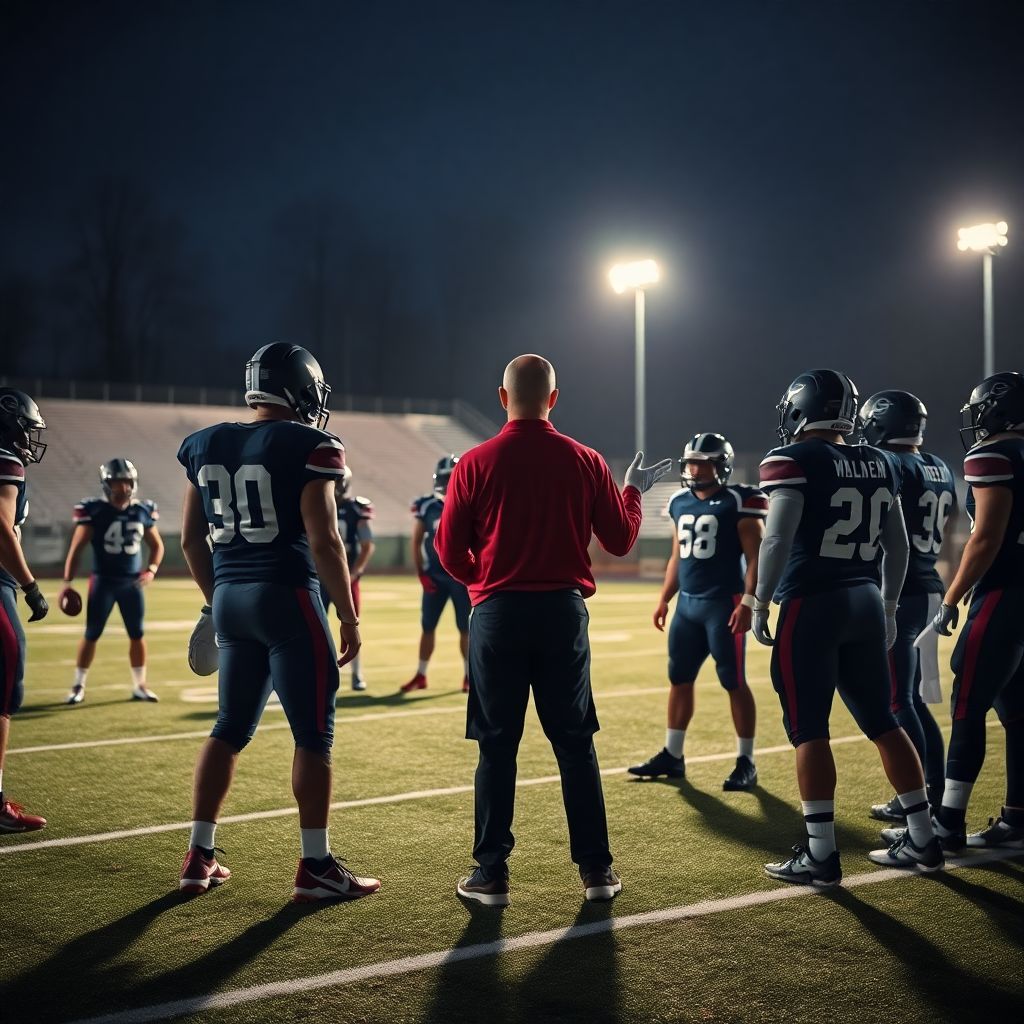
Mental skills in American football are trainable: build clear pre-game routines, use in-game focus cues, practice rapid reset after mistakes, strengthen communication and trust, manage arousal levels, and support recovery after injury. Combine self-guided drills with expert help from a qualified sports psychologist for american football teams when issues persist or worsen.
Core Mental Skills Every Football Player Must Master
- Ability to switch on a stable pre-game mindset regardless of opponent, venue, or stakes.
- In-game focus: locking onto the right cues and ignoring noise, crowds, and past plays.
- Mistake recovery: fast emotional reset and clear next-play thinking after errors.
- Communication under pressure: concise, honest, and calm interactions with teammates and coaches.
- Stress and arousal control: knowing and reaching your personal “just-right” intensity zone.
- Resilience across the season: handling slumps, reduced roles, and external criticism.
- Psychological readiness for return-to-play after injury, including confidence and controlled aggression.
Pre-Game Routines: Building Consistent Mental Preparation
Pre-game mental routines are useful for most positions and levels: high school, college, and pro. They help players using sports psychology for football players stabilize nerves, sharpen focus, and enter a repeatable performance state.
Pre-game routines are especially fitting when:
- You feel inconsistent: some games you are locked in, others you feel flat or overhyped.
- You struggle with nerves during warmups or overthinking the opponent or scouts.
- You are installing new plays or roles and need clarity instead of chaos pre-kickoff.
- You have long delays before games (travel, TV time slots, weather) and lose sharpness.
Pre-game mental routines are not ideal, at least in full form, when:
- You are in acute emotional distress (panic attacks, intense depression); seek professional help first.
- You use them rigidly; any disruption (bus late, changed warmup) then spikes your anxiety.
- You are extremely fatigued or concussed; medical clearance and rest come before mindset work.
A simple, safe pre-game structure:
- Phase 1 – Body wake-up: dynamic warmup you already know, paired with 3-5 slow breaths.
- Phase 2 – Assignment review: 2-3 key checks for your position (coverage rules, calls, blitz pickups).
- Phase 3 – Imagery: 1-2 minutes visualizing your first snap and one adversity (miss or blown call) handled well.
- Phase 4 – Trigger: a short phrase (“clear and violent”, “eyes then feet”) used as you cross the sideline.
In-Game Focus: Techniques to Maintain Attention Under Pressure
Staying mentally sharp during drives requires intentional tools and a simple structure, not complicated theory. You do not need special equipment for basic in-game focus work, but you do need a few key ingredients.
What you will need:
- 1-2 performance cues per situation: for example, quarterbacks use “eyes low-high” pre-snap; defensive backs use “hips not head.”
- A reset word or action: such as brushing your hands, tapping your thigh pads, or one exhale plus the word “next.”
- Sideline mini-routine: a brief process you run between series: breathe, replay 1-2 snaps, then refocus on adjustments.
- Agreement with coaches: clarity on what decisions you control, what feedback you want in-game, and what waits until film.
If you work with a mental performance coach for athletes, coordinate language so your cues match how your position coach teaches technique. This keeps your mind from getting overloaded with different vocabularies.
Sample in-game focus loop:
- Pre-snap: one breath, one cue (e.g., “align, assignment, key”).
- During play: eyes on key, trust technique, let decisions be automatic.
- Post-play: quick internal grade (win, neutral, loss), one correction if needed, then reset word/action.
Resilience Training: Recovering Quickly from Mistakes
Before using resilience drills, keep these risks and limits in mind:
- Do not use “mental toughness” to ignore serious symptoms like panic, persistent low mood, or concussion signs.
- Over-analyzing every error can create hesitation; resilience work must stay brief and forward-looking.
- Trying to overhaul your entire mindset mid-season can backfire; adjust in small segments (one drive, one game).
- If mistakes trigger intense shame, rage, or thoughts of self-harm, stop and seek direct support from a trusted adult or clinician.
The following step-by-step process is a safe framework for mental toughness training for football, focused on “next-play speed” rather than perfection.
- Name the mistake clearly, without judgment
Describe what happened in neutral football language: “I underthrew the post,” “I missed inside leverage,” “I false-started.” This reduces emotional noise and keeps the brain in problem-solving mode. - Extract one controllable correction
Limit yourself to a single specific adjustment for the next rep, such as pad level, eyes, footwork, or timing.- Avoid vague goals like “play better” or “lock in.”
- Phrase the correction as a positive action: “hands first,” “eyes on hip,” “snap count in my head.”
- Run a 5-10 second reset protocol
Use a brief, repeatable sequence to clear the emotional sting:- One long exhale through the mouth, two normal breaths.
- Physical cue: brush your hands, tap your helmet, adjust gloves.
- Short phrase: “next one,” “new down,” or “reset now.”
- Mentally rehearse the corrected play once
Close your eyes for a moment (sideline) or just narrow your focus (on the field) and quickly imagine executing the corrected version successfully. Keep it to one clean replay, not a long fantasy. - Re-engage with the present call
Shift attention fully to the current situation: down and distance, formation, call, and assignment. Ask yourself, “What does this play need from me right now?” This moves you from self-focus to team-task focus. - Review patterns later, not mid-game
After the game or during film, look for repeated mistakes and choose 1-2 themes to work on in practice. Do not chase every error during competition; that invites overload and overthinking.
Team Dynamics: Building Trust and Communication on the Field
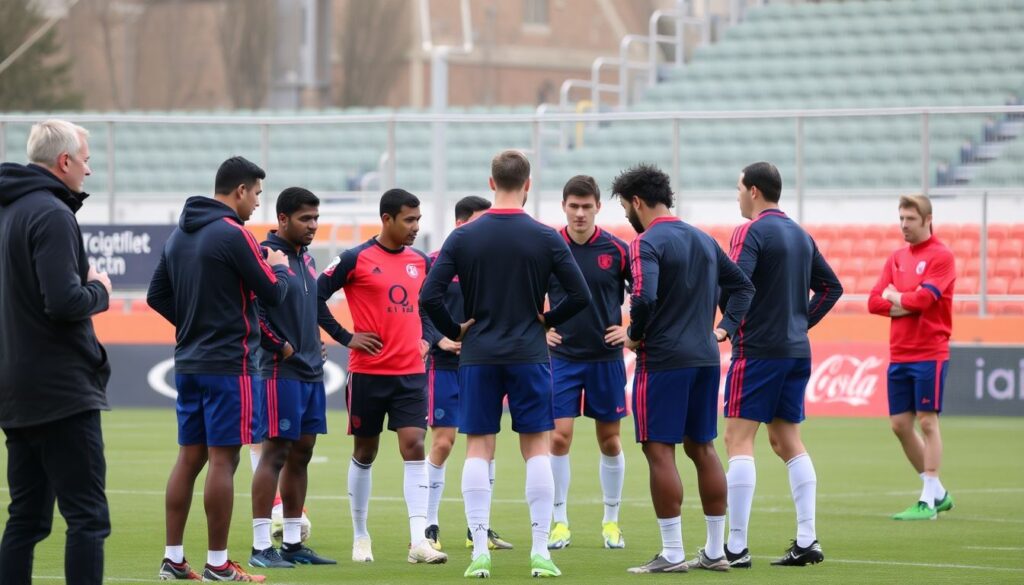
Use this checklist to gauge whether your team’s mental side is supporting performance, especially when guided by sports psychology for football players or by a staff member trained in communication skills.
- Players routinely give and receive concise feedback (one correction, one encouragement) without personal attacks.
- Pre-snap communication (checks, alerts, motions) is loud enough, consistent, and uses agreed phrasing.
- After busted plays, key leaders address the issue calmly within one or two snaps, not through silent resentment.
- New or younger players know exactly who to ask about assignments and feel safe doing so.
- Sideline body language stays mostly composed: heads up, eye contact, open posture, minimal visible blame.
- Position groups run quick “micro-meetings” on the bench: what we saw, what changed, what we do next.
- Coaches model composure under pressure: direct, specific instructions instead of yelling generalized criticism.
- Team leaders check in on isolated or visibly upset teammates during games and practice.
- End-of-week meetings include short reflection on communication: one thing that worked, one to refine.
Stress and Arousal Management: Finding Your Optimal Zone
Many players misuse arousal-control tools and accidentally dull their edge or ignite anxiety. Below are common errors to avoid while you experiment and, when available, coordinate with a sports psychologist for american football teams.
- Trying brand-new breathing or relaxation drills for the very first time on game day instead of testing them in practice.
- Over-relaxing to the point of feeling sleepy or detached, especially for positions that need aggression and fast reaction.
- Copying a teammate’s pre-game hype or calm routine even though your natural intensity level is different.
- Stacking too many mental tools at once (breathing, imagery, affirmations, music, routines) and overwhelming attention.
- Judging yourself for feeling nervous; mild pre-game nerves are normal and often helpful when channeled.
- Using only music to regulate energy and ignoring body-based cues like breathing rate, muscle tension, and posture.
- Ignoring off-field stress (school, family, social media) that keeps your baseline arousal high all week.
- Abandoning a routine after one bad game instead of adjusting it slightly and re-testing.
- Using stimulants or energy products to “fix” low energy without sleep, nutrition, and medical guidance.
- Failing to communicate with coaches if anxiety symptoms (racing heart, dizziness, difficulty breathing) feel unmanageable.
Mental Skills for Injury Recovery and Return-to-Play
Psychological recovery after injury benefits from structured support. Beyond in-person work, thoughtful use of online sports psychology programs for athletes can supplement rehab. Below are alternative approaches and when each is especially appropriate.
- One-on-one work with a licensed sports psychologist
Best when you face strong fear of re-injury, identity loss, or mood changes. This is the first-line option when distress is high or daily life is affected. - Collaboration with a mental performance coach for athletes and the medical staff
Useful when you need practical confidence-building drills that match your physical rehab milestones, ensuring you do not mentally rush ahead of what your body can safely do. - Peer support and veteran mentorship
Talking with teammates or alumni who have successfully returned from similar injuries can normalize fears and provide concrete coping strategies without turning every conversation into therapy. - Structured self-guided routines
If professional services are limited, create simple daily check-ins: short mood rating, 2-3 breaths, clear rehab goal for the day, and one non-football activity that protects your overall well-being.
Practical Answers to Common Mental Performance Challenges
How can I start using sports psychology for football players without a full-time team specialist?
Begin with simple tools: one pre-game routine, one reset process for mistakes, and one breathing drill. Add elements gradually. If your program lacks a specialist, consider brief consultations with a remote provider or vetted educational resources instead of overcomplicating things alone.
What is the safest way to begin mental toughness training for football during the season?
Attach mental drills to existing practice blocks rather than adding long new sessions. For example, use a reset protocol after competitive reps and a short focus cue before high-intensity periods. Avoid making major mindset changes just before playoffs or crucial games.
When should a player see a sports psychologist for american football teams instead of only talking to coaches?
Seek a licensed professional when anxiety, mood swings, sleep problems, or anger around football spill into daily life, relationships, or school. Also reach out if you experience panic-like symptoms, persistent loss of motivation, or thoughts of self-harm or self-injury.
Can online sports psychology programs for athletes replace in-person sessions?

They can be a useful supplement for education and guided drills, especially if you lack local access. They are not a full replacement for individualized assessment and care when serious mental health symptoms, trauma, or complex personal issues are involved.
How do I balance film study with mental work without overloading my brain?
Pair each film session with a narrow mental focus, such as one decision type or one technique. Limit post-film reflection to one or two clear improvement targets. Avoid late-night marathons that cut into sleep, which is essential for both memory and emotional balance.
What can coaches do daily to support players’ mental side safely?
Use consistent language for cues, keep feedback specific and behavior-focused, and protect time for recovery. Encourage players to speak up early about stress or concentration problems, and establish direct referral pathways to qualified professionals when needed.
How quickly should I expect results from working with a mental performance coach for athletes?
You may feel small benefits within a few practices, like clearer focus or better resets after mistakes. Deeper changes in confidence and resilience usually take longer. Track progress in simple terms, such as “how fast I reset” or “how well I follow focus cues.”