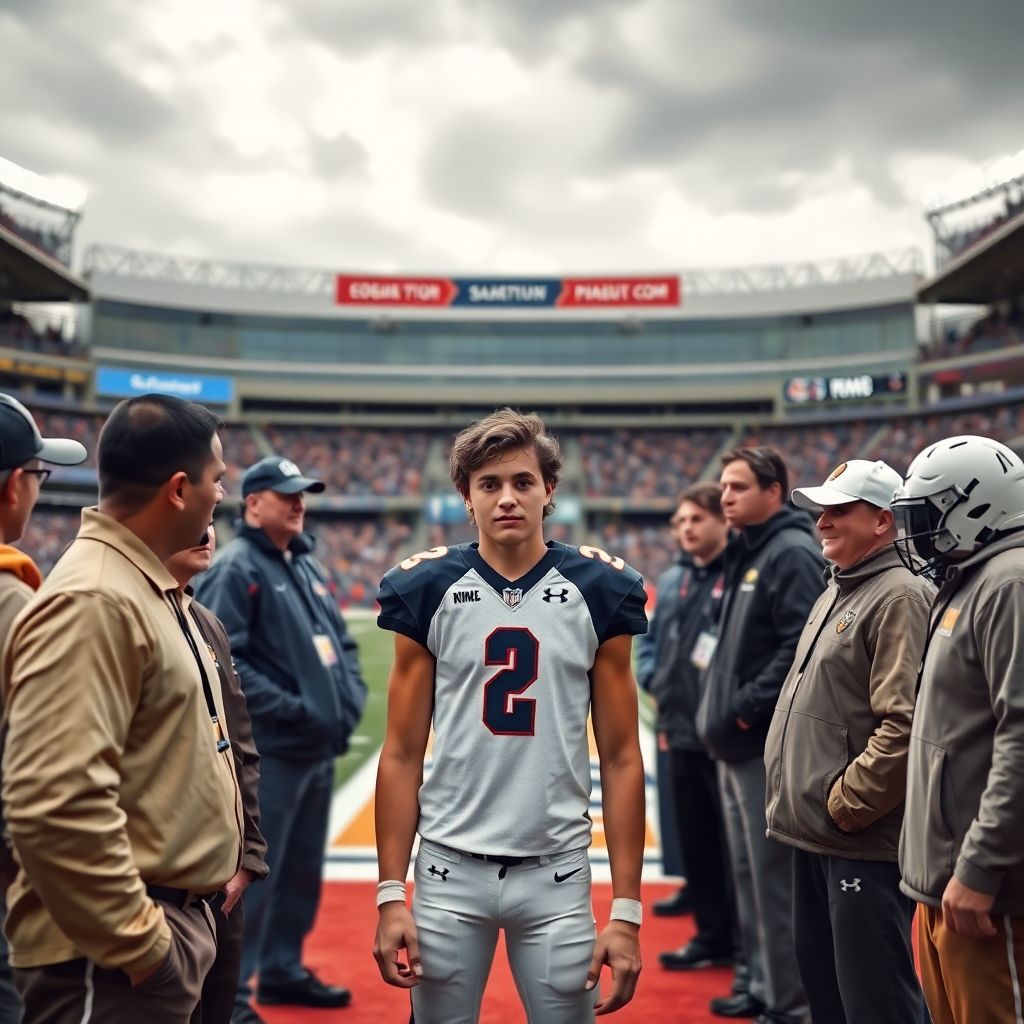
Choose college if you need structured development, academic security, and time to grow physically and tactically. Aim for pro sports when you already dominate your level, handle complex schemes, and accept a results-first business. Coaches, scouts, and players should match style, coaching, and player development pathways to the athlete’s current readiness and ceiling.
At-a-Glance Differences Between College and Pro Play
- College emphasizes system, recruiting, and education; pro leagues emphasize winning, contracts, and longevity.
- Play style is looser and more diverse in college; pros are more standardized, detailed, and matchup-driven.
- Coaches in college are program builders; in pros they are roster managers and tacticians.
- Player development in college balances class schedules and NCAA limits; pros use individualized plans and deep analytics.
- Physical demands and speed spike dramatically when moving from college to the NFL, NBA, or other pro leagues.
- Financial incentives in college are emerging through NIL, while pros revolve around guaranteed money, cap space, and contracts.
- For many athletes, the safest path is maximizing college first, then targeting a focused, data‑driven jump to the right pro opportunity.
Tactical Complexity and Game Tempo
For coaches and players comparing college vs pro environments, use these criteria to judge tactical fit and game tempo demands:
- Playbook volume and variety. How many concepts can you realistically install, memorize, and execute under pressure?
- Pre-snap and pre-possession adjustments. Audibles, coverage rotations, motion counters, and in-game tweaks are far heavier in pros.
- Pace of play. College often uses tempo as a weapon; pro leagues balance tempo with precision and clock control.
- Defensive disguises and counters. Pro defenses exploit tendencies; reads are later and more complex than in most college schemes.
- Spacing and timing demands. Routes, cuts, and rotations must hit exact spots on exact counts in the pros.
- Role specialization. College lets stars freelance more; pros narrow your role to what wins at the highest level.
- Film and scouting requirements. Expect far deeper film breakdown and opponent-specific game plans at the pro level.
- Freedom vs structure. College systems may lean on chaos and talent; pros lean on repeatable structure to survive long seasons.
When people ask about the difference between college and NFL play style, most of that gap is here: the volume of information, disguise, and situational detail that must be processed before and after the snap or possession.
| Aspect | College Environment | Pro Environment | Best For (Persona) |
|---|---|---|---|
| Playbook complexity | Moderate; more variation between programs; some simplified reads. | High; layered reads, tags, and checks are standard. | Scouts evaluating mental processing; coaches testing who can handle more. |
| Game tempo | Often higher tempo, especially spread and pressing systems. | Controlled tempo; efficiency and matchup hunting prioritized. | Players learning to shift gears based on situation. |
| In-game adjustments | Halftime changes, simpler on-the-fly checks. | Series-to-series and play-to-play micro-adjustments. | Coaches who excel at quick, data-driven adaptations. |
| Freedom vs structure | More freedom for stars; scheme built around recruiting strengths. | Tight structure; small role, narrow responsibilities. | Players deciding if they thrive with strict roles or creative usage. |
| Preparation demands | Film and scouting within academic time limits. | Full-time job: daily film, scouting reports, walkthroughs. | Players testing readiness for a profession, not a pastime. |
Physicality, Athleticism, and Injury Considerations
The jump in size, speed, and contact is the most dramatic shift from college to pro sports, whether you compare college football vs NFL or college hoops vs top European and NBA levels. Being honest about your body and health history is non‑negotiable.
| Вариант | Кому подходит | Плюсы | Минусы | Когда выбирать |
|---|---|---|---|---|
| Stay an extra year in college to build your body | Players still growing, adding mass, or recovering from injury. | More time in strength program; less immediate pro contact; preserves confidence. | Risk of new injuries; teams may question age and upside. | If pro scouts flag your frame or durability as main concern. |
| Declare early for the draft | Dominant athletes already physically pro-ready. | Capitalize on current health and buzz; enter pro development sooner. | Less time to refine weaknesses; steeper physical adjustment to pros. | If you already match average pro size/speed and produce consistently. |
| Use G League, practice squad, or minor league pathway | Players with solid tools but not yet full pro physicality. | Gradual exposure to pro speed; customized strength and conditioning. | Lower pay; less job security; heavy travel in some systems. | When a franchise believes in your upside but wants controlled development. |
| Shift to a less physical role or position | Veterans or undersized players with high IQ and skills. | Reduces wear and tear; extends career using brain and craft. | May limit ceiling, usage, and market value. | If your film shows high feel and skill but marginal physical traits. |
For coaches and performance staff, the practical question is not just whether an athlete can survive the collision level in pros, but whether they can repeat high-intensity efforts over long seasons without breaking down.
Coaching Objectives, Styles, and Communication
College football vs NFL coaching differences, and similar gaps in basketball and other sports, come from different incentives and timelines. College coaches recruit, retain, and develop within academic structures; pro coaches manage egos, contracts, and playoff expectations.
Use these scenario-based guidelines to choose the right environment:
- If you are a developmental coach who loves teaching fundamentals and running detailed practices, then college is typically better, where you control more of the calendar and culture.
- If you are a tactical coach obsessed with matchups, late-game sets, and opponent-specific game plans, then the pro level matches your skill set.
- If you are a player who needs hard structure and constant direction, then a strong college program with clear standards usually serves you better than the looser accountability of some pro locker rooms.
- If you are a self-driven player who thrives with brief feedback and high autonomy, then the pro style of shorter practices and more individual responsibility fits.
- If you are a scout or executive deciding on a coach, then match personality to level: builders to college, high-level tacticians and communicators to the pros.
| Coaching Aspect | College Approach | Pro Approach | Implication for Persona |
|---|---|---|---|
| Primary objective | Program building, recruiting, graduation, and conference success. | Championships, contracts, and franchise value. | Players face more job-security pressure in pros. |
| Communication style | More directive, paternal, with off-field oversight. | More collaborative, professional, peer-like. | Self-managed players do better in pros. |
| Practice design | Longer, more teaching blocks; NCAA-driven schedules. | Shorter, sharper; load managed around games. | Skill-dependent learners may prefer college depth. |
| Feedback and accountability | Study halls, curfews, team rules. | Contract leverage, rotation changes, fines. | Pros require internal discipline more than external rules. |
| Role in development | Hands-on across sport, academics, and life. | More focused on on-court/on-field performance. | Parents may prefer college for total-person support. |
Player Development Pathways and Skill Progression
From a college vs NBA player development comparison or a football perspective, the core issue is how structured and individualized the pathway is. Use this quick checklist to choose the better route for your current stage.
- Assess your dominance at current level. If you are not clearly above your peers, staying in college or lower pros to grow is usually wiser than forcing a jump.
- Map your skill gaps by role. For example, a guard may need pick-and-roll reads; an edge rusher may need counters. Choose an environment that emphasizes those specific reps.
- Evaluate available development resources. Compare college facilities, staff, and track record versus the pro team’s player development staff and minor-league or practice-squad access.
- Estimate realistic playing time. A slightly lower league with real minutes often beats a higher league where you rarely see the floor or field.
- Consider life structure and support. If you still need academic, mental health, or housing stability, a strong college program may be better.
- Align with long-term position vision. If pros project you at a different position or role, move as early as possible into systems that train that role.
- Revisit annually with honest feedback. Ask trusted coaches and scouts each year whether staying or going maximizes your long-term ceiling, not just short-term status.
| Development Dimension | Typical College Setup | Typical Pro Setup | Best-Fit Persona |
|---|---|---|---|
| Daily schedule | Balanced between classes, practice, lifts, and study hall. | Full-time training, travel, and competition. | College: younger players; Pro: fully committed athletes. |
| Individual skill work | Limited by time rules; varies widely by program. | Dedicated player development coaches and custom plans. | Skill-focused players may advance faster in pros. |
| Competition level | Wide range; big gap between conferences. | Narrower talent band; everyone can play. | Borderline pros may need strong college league exposure. |
| Feedback sources | Mainly staff; some external scouting. | Front office, analytics, agents, and sports science. | Information-hungry players thrive in pro ecosystems. |
| Safety net | Academic pathways and campus support systems. | Performance-based; less structural safety. | Risk-averse families often prefer college first. |
Recruiting, Contracts, and Financial Incentives

Money and promises look very different in college vs pro systems. The rise of NIL makes it harder to see clearly, but the underlying incentives remain distinct. Avoid these common decision errors when weighing offers and future earnings.
- Chasing the biggest short-term check. Whether it is NIL or a rookie deal, ignore fit at your own risk; poor fit can stall or end careers.
- Underestimating contract structures. In pro sports, guarantees, options, and non-guaranteed years matter more than headline numbers.
- Ignoring depth charts and role projections. A “big” school or franchise on paper can be a dead end if you are buried behind established stars.
- Believing every recruiting or agent pitch. Ask what they have done for similar players, not what they claim they will do for you.
- Overlooking academic and post-career value. Walking away from a strong degree without a realistic pro path can be a long-term financial mistake.
- Not considering league and team stability. Coaching changes, administration shifts, and ownership issues can derail both college and pro plans.
- Neglecting tax, cost of living, and support costs. Net income can differ greatly between regions and situations, even with similar contracts.
- Skipping legal review. Signing pro contracts or complex NIL deals without a qualified legal eye can lock you into bad terms.
| Financial/Recruiting Factor | College Context | Pro Context | Who Should Prioritize It |
|---|---|---|---|
| Upfront money | NIL, scholarships, stipends. | Signing bonuses, guarantees, incentives. | Players with immediate financial pressures. |
| Security | Multi-year scholarship expectations, though not always fully secure. | Guaranteed money vs non-guaranteed seasons. | Risk-averse athletes and families. |
| Recruiting vs drafting | Staff pitches and campus culture. | Draft position, free agency markets. | Scouts projecting long-term earning power. |
| Brand building | Campus spotlight, alumni networks. | League marketing, global exposure. | Players in marketable positions and markets. |
| Post-career outcomes | Degree value, alumni placement. | Pro alumni, coaching and media pipelines. | Players uncertain about long-term pro staying power. |
Performance Metrics, Analytics, and Decision-Making
Modern decisions about the difference between college and NFL play style, or any college-to-pro leap, are driven by data as well as film. Pro teams lean hard on analytics for lineups, scheme choices, and load management, while college programs vary widely in sophistication.
| Metrics and Analytics Area | College Usage | Pro Usage | Decision Impact |
|---|---|---|---|
| Physical tracking | Some GPS and workload tracking; depends on budget. | Standard in most leagues for injury prevention. | Affects practice load and minutes/snap counts. |
| On-field/on-court efficiency | Basic stats and some advanced metrics. | Deep lineup, play-type, and matchup data. | Shapes playcalling, rotations, and personnel usage. |
| Scouting models | Subjective plus emerging analytics at top programs. | Robust projection models for drafts and signings. | Influences draft slots, contracts, and role expectations. |
| Development tracking | Coaches’ evaluations and simple benchmarks. | Granular skill and performance dashboards. | Informs keep/cut decisions and individualized training. |
For most developing players, the “best” environment is usually a top college program or development-focused pro team that offers clear role definition, strong coaching, and honest feedback. For already-dominant athletes with pro-ready bodies and skills, early entry into well-structured pro systems can maximize career length and earnings. Parents and risk-averse athletes often favor college; ultra-competitive, self-directed players may thrive by going pro as soon as objective indicators support the leap.
Practical Questions Coaches, Scouts, and Players Ask About the Transition
How do I judge if my style fits better in college or the pros?
Compare your current dominance, physical tools, and decision-making speed with pro benchmarks at your position. If you are clearly above your level and already process the game quickly, you are closer to a pro fit; otherwise, prioritize college reps and skill growth.
What is the core difference between college and NFL play style?
The NFL compresses space and time: players are faster, smarter, and punish mistakes immediately. Schemes rely more on pre-snap reads, protection checks, and precise timing, while college offenses often lean more on tempo, spread spacing, and exploiting mismatches in talent.
How do college football vs NFL coaching differences affect my development?
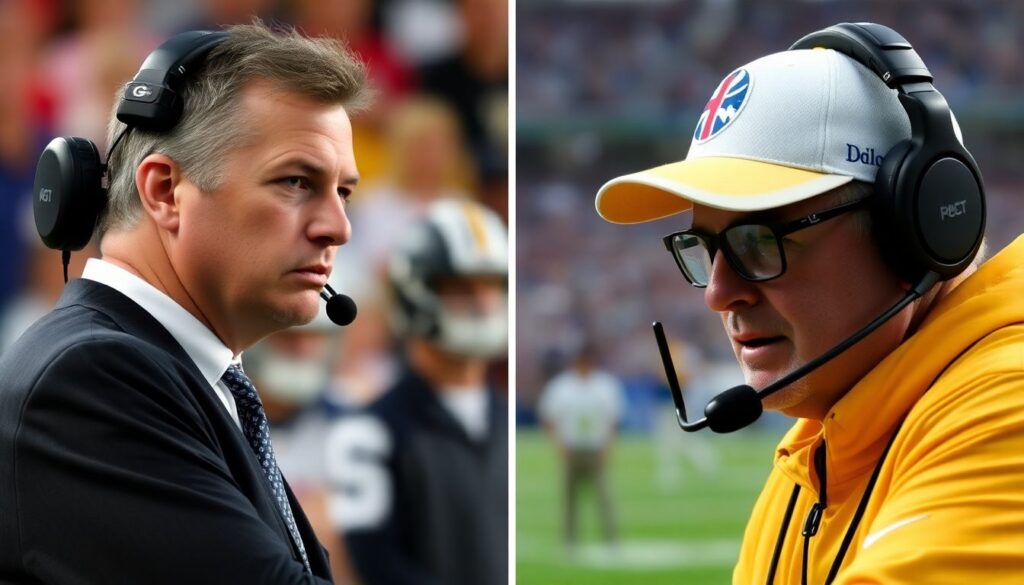
College coaches manage your whole life, from academics to social behavior, and often emphasize broad fundamentals. NFL coaches expect you to be a pro off the field and focus more narrowly on tactical mastery, film study, and executing your specific role at a high standard.
What about a college vs NBA player development comparison?
Top NBA franchises offer highly individualized skill work, sports science, and G League minutes. College can still be better if you need structured schedules, degree progress, and a system that guarantees the ball in your hands to build confidence and film.
How do I choose among the best colleges for developing pro athletes?
Study each program’s track record by position, player minutes for underclassmen, player development staff quality, and style of play. Talk to former players about how much real skill work they got and how honest the staff was about their pro potential and role.
What is the safest way to learn how to transition from college to pro sports?
Build a multi-year plan with trusted coaches, agents, or advisors, get objective feedback from scouts, and test yourself at elite camps or combines. Make the leap only when your film, body, and mental readiness all point in the same direction, not just your emotions.
Should I ever leave college early if I am not a projected star?
Sometimes yes, if a pro organization offers a clear development pathway and support, or if personal circumstances demand income. But if you will be buried on depth charts with no real plan, staying in a strong college situation often keeps your long-term options healthier.
Комментарии