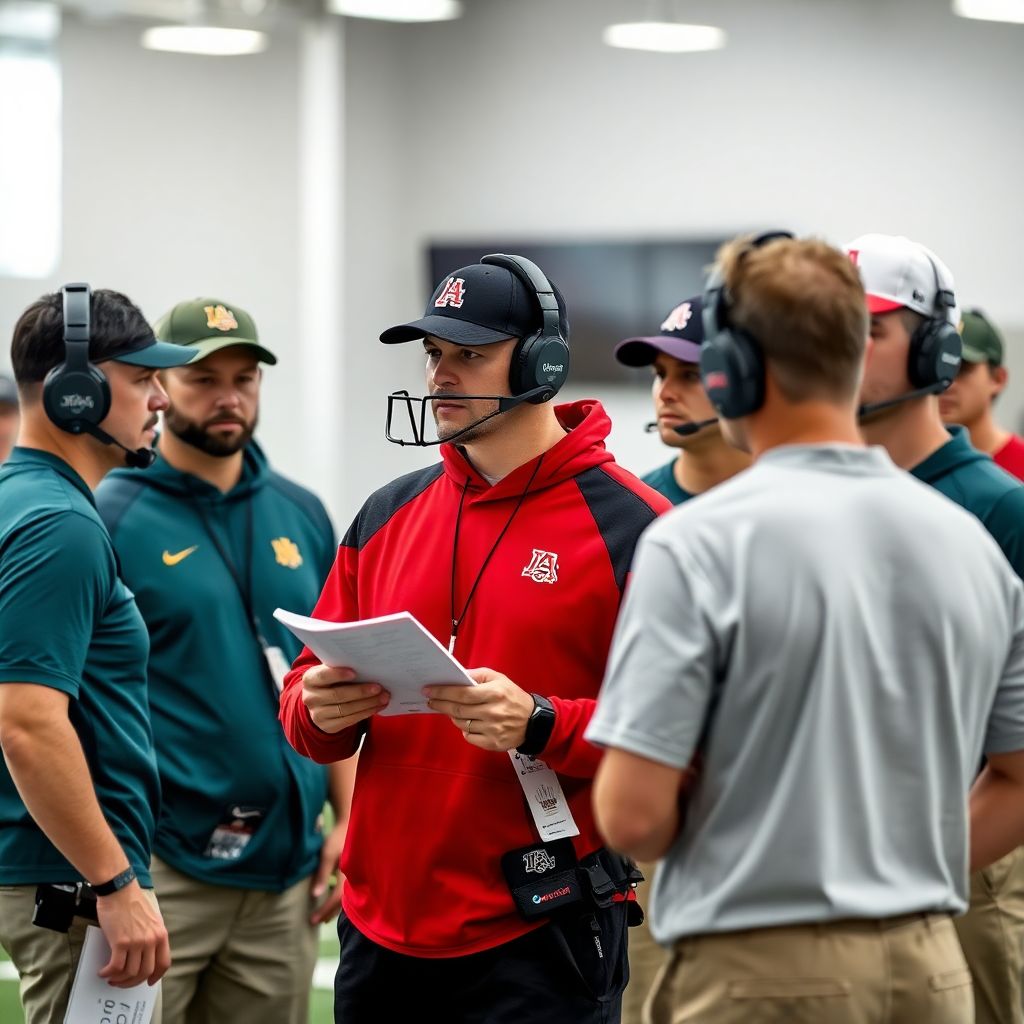
Top college programs compete for elite high school talent by identifying prospects early, organizing accurate evaluations, and building consistent, rule‑compliant relationships over several years. To navigate these recruiting wars safely, structure your strategy around data, film, camps, and communication scripts, while understanding offers, visits, NIL, and the guardrails that protect athletes and schools.
Quick Recruiting Checklist
- Define target athlete profiles by position, measurables, academics, and character.
- Build a verified database: film, stats, transcripts, contact info, and compliance notes.
- Map a 2-3 year timeline for evaluations, camps, and communication touchpoints.
- Standardize evaluation forms so coaches compare prospects consistently.
- Create safe, approved scripts for calls, texts, and direct messages.
- Establish clear internal rules for offers, visits, and NIL discussions.
- Review transfer, decommit, and retention data every season to adjust strategy.
How Colleges Identify Elite High School Talent

This approach fits programs that want a repeatable, compliant system for recruiting high‑upside athletes, not just chasing the latest headline prospect. It is less useful for programs without staff capacity to track multi‑year evaluations or those unwilling to align recruiting with long‑term development and retention planning.
- Layer information sources instead of relying on one list. Combine elite high school football recruiting rankings, staff live evaluations, and trusted high school/club coach recommendations.
- Use position‑specific must‑haves. Define minimum athletic and academic standards by position so every coach knows when to initiate or stop pursuit.
- Leverage events strategically. Target the best college recruiting camps for high school athletes that reliably attract scholarship‑level players at your positions of need.
- Integrate third‑party support carefully. When working around college football recruiting services or college basketball recruiting agencies for athletes, treat them as information, not decision‑makers.
- Balance star power and system fit. Prioritize players who fit your playing style, culture, and academic environment over name recognition alone.
- Identify early, decide deliberately. Flag prospects early (freshman-sophomore years), but build in formal re‑evaluation checkpoints before any early offers.
Evaluation Criteria: What Coaches Prioritize
- Verified athletic data. Use trusted timing for speed, agility, and strength. Note testing dates and conditions so comparisons stay fair over time.
- Position‑specific skills. Grade footwork, ball skills, decision‑making, and technique using a standard 1-5 or color‑coded scale with written notes.
- Game‑relevant film. Emphasize full‑game footage over only highlights; track performance against strong competition and in pressure situations.
- Academic profile. Record GPA, rigor of coursework, projected test scores, and any academic red flags that could slow admission or eligibility.
- Character and competitiveness. Ask coaches about practice habits, leadership, response to coaching, and behavior during adversity.
- Growth and projection. Track physical changes, role increases, and year‑over‑year improvement; avoid overvaluing early maturers who plateau.
- Health and durability. Note injury history, recovery patterns, and playing style risks; never rush players or pressure them about medical decisions.
- Family and support system. Understand distance preferences, academic priorities, and financial needs, especially for those pursuing how to get noticed by college coaches for scholarships.
Building Relationships: Timing and Communication Strategies
Preparation checklist (do this before systematic outreach):
- Clarify which classes (years) you will prioritize this cycle and why.
- Create a communication calendar by class: first contact, follow‑ups, visit windows.
- Train staff on rules for calls, texts, DMs, and in‑person conversations.
- Draft email and call templates that can be customized quickly for each athlete.
- Set up a log system to record every interaction for compliance and continuity.
-
Map a multi‑year recruiting timeline by class
Start with broad identification in freshman-sophomore years, then tighten focus as decision points approach. Align this with your roster needs and scholarship projections.- Freshman year: light identification and occasional camp invitations.
- Sophomore year: begin structured evaluations and limited early contact where allowed.
- Junior year: primary relationship‑building and unofficial visits.
- Senior year: decision support, official visits, and signing.
-
Use clear, respectful first‑contact messages
Keep first contact short, specific, and compliant with association rules. Show you’ve done real homework on the athlete.- Email template: “Hi [Name], this is [Coach/Role] from [School]. We watched your [Game/Film] vs [Opponent] and liked [specific skill]. If you and your family are open to it, we’d like to share how we’d evaluate your fit in our program.”
- Never promise scholarships or starting spots in introductory notes.
-
Structure consistent, low‑pressure follow‑ups
Space contacts out so athletes do not feel harassed and messages never sound desperate. Mix mediums: emails, calls, and occasional direct messages where allowed.- Schedule: every 4-6 weeks early; every 2-3 weeks for priority recruits.
- Content rotation: performance feedback, academic check‑ins, campus updates.
-
Make every conversation two‑sided
Ask questions about goals, concerns, and family priorities instead of delivering long sales speeches.- Safe question set: “What matters most to you beyond sports?”, “How do you like to be coached?”, “What kind of academic help would you want?”
- Log key themes so each staff member can continue the conversation smoothly.
-
Coordinate messages across your staff
Avoid contradictory promises or over‑communication from multiple coaches. Assign one point‑of‑contact to each high‑priority recruit.- Hold a weekly recruiting huddle to sync updates and next steps.
- Document who will text, who will call, and who will discuss academics.
-
Host safe, well‑planned campus interactions
Whether unofficial or official, keep visits structured, transparent, and family‑friendly.- Prepare agendas: facility tours, academic meetings, time with players, and realistic conversations about playing time and development.
- Never allow pressure tactics, surprise commitments, or unmonitored third‑party involvement.
-
Support the athlete’s decision process
When a recruit is close to choosing, focus on clarity, not pressure. Help them understand fit and next steps, even if they pick another school.- Offer comparison tools: academic support, development plan, role expectations.
- Reassure: they should take the time they need, within transparent timelines.
Competitive Tactics: Offers, Official Visits and NIL Dynamics
- Confirm every verbal offer internally before it is communicated; document date, conditions, and expiration clearly for staff and recruit.
- Use offers as sincere commitments, not as marketing tactics to inflate numbers or manipulate elite high school football recruiting rankings.
- Set criteria for official visits (academic fit, positional needs, mutual interest) and stick to them, even under competitive pressure.
- Provide written visit itineraries in advance and review expectations with families, including who will cover which expenses.
- Keep NIL conversations educational and fact‑based, routed through approved channels; never promise specific NIL income or outcomes.
- Monitor third‑party involvement (trainers, “handlers”) and communicate only through safe, transparent channels with parents/guardians present where appropriate.
- Regularly compare your roster and recruiting board to your offer list so you do not over‑promise at a single position.
- Debrief every visit and near‑commitment: why did you win or lose the recruit, and what process adjustment is needed?
- Track portal activity and transfers out of your program so you do not repeat patterns that push athletes away.
Legal and Ethical Boundaries in Modern Recruitment
- Ignoring association and conference rules. Never rely on verbal “everyone does it” guidance. Require staff to know and follow written regulations on contact periods, evaluations, and inducements.
- Unclear NIL conversations. Keep NIL talk high‑level and educational; do not coordinate or guarantee deals, and use only approved collectives or partners when allowed.
- Unmonitored booster involvement. Prohibit boosters from recruiting communication or offering benefits to prospects and families; provide them with simple written do’s and don’ts.
- Pressure‑based commitments. Avoid “now or never” deadlines, especially on official visits. Encourage athletes to consult family and advisors before deciding.
- Academic shortcuts. Never encourage course‑load manipulation or weak academic decisions just to gain eligibility; partner with guidance counselors for honest planning.
- Misrepresenting roster reality. Be transparent about depth charts, redshirt likelihood, and transfer policies; misleading recruits harms your reputation and can fuel complaints.
- Data privacy lapses. Protect personal and medical information; share only with staff who truly need the data to evaluate or support the athlete.
- Excessive contact volume. Respect boundaries; do not bombard athletes with calls or messages, and always back off if they or their families ask for space.
- One‑sided relationships. Avoid ignoring high‑school or club coaches. Keep them in the loop, especially when prospects use college football recruiting services or college basketball recruiting agencies for athletes.
Program Optimization: Data, Development and Retention
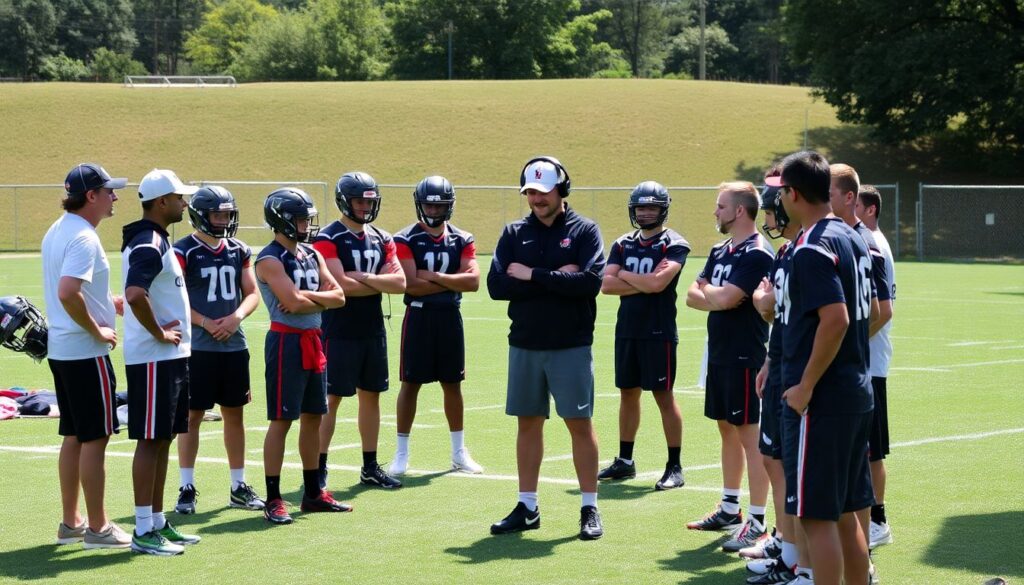
- Player‑development‑first model. Emphasize long‑term growth over short‑term rankings wins. Ideal when your staff excels at teaching and you can confidently develop under‑recruited players into starters.
- Camps‑centric model. Build evaluation around your own events and the best college recruiting camps for high school athletes. Works well when you can draw strong competition and bring your full staff to evaluate safely.
- Analytics‑supported model. Combine film with modern performance metrics to prioritize prospects whose skills match your schemes. Best for programs with dedicated analysts and reliable data collection.
- Balanced high school-portal model. Split resources between high‑school recruiting and transfer scouting. Fits programs needing immediate impact at some positions while still building a sustainable foundation of four‑year players.
Common Recruitment Concerns Answered
How early should a program start recruiting a high school athlete?
Begin broad identification in freshman-sophomore years, but keep contact light and compliant. Serious relationship‑building usually ramps up as athletes enter junior year, when academics, physical development, and film give a clearer projection.
How can programs compete without chasing every top ranking list?
Use rankings and lists as one input, not the blueprint. Focus on system fit, character, academics, and verified athletic traits. Winning programs often develop slightly overlooked players who match their identity better than higher‑profile options.
What is a safe way to talk about scholarships with recruits?

Be precise about what is and is not being offered: duration, conditions, and timelines. Put key details in writing, avoid promises you cannot control, and encourage families to ask questions and compare offers calmly.
How should staff handle parents and other influencers in the process?
Include them respectfully in conversations, share accurate information, and listen to their concerns. Avoid side deals, secret promises, or negative talk about other programs; keep all communication aligned with your written policies.
What if a recruit wants to commit quickly during a visit?
Slow the process down. Confirm that they and their family understand the commitment, encourage them to sleep on the decision if time allows, and review the academic and athletic expectations clearly before accepting.
How can a program safely use third‑party recruiting services?
Treat services as information sources only. Verify every prospect independently, communicate directly with families and school coaches, and make sure any service you engage operates transparently and respects governing‑body rules.
How do you know when to move on from a recruit?
Set internal deadlines tied to roster needs and communication patterns. If a prospect consistently avoids clarity or your evaluation no longer matches your standards, document the reasons and redirect attention to better fits.
Комментарии