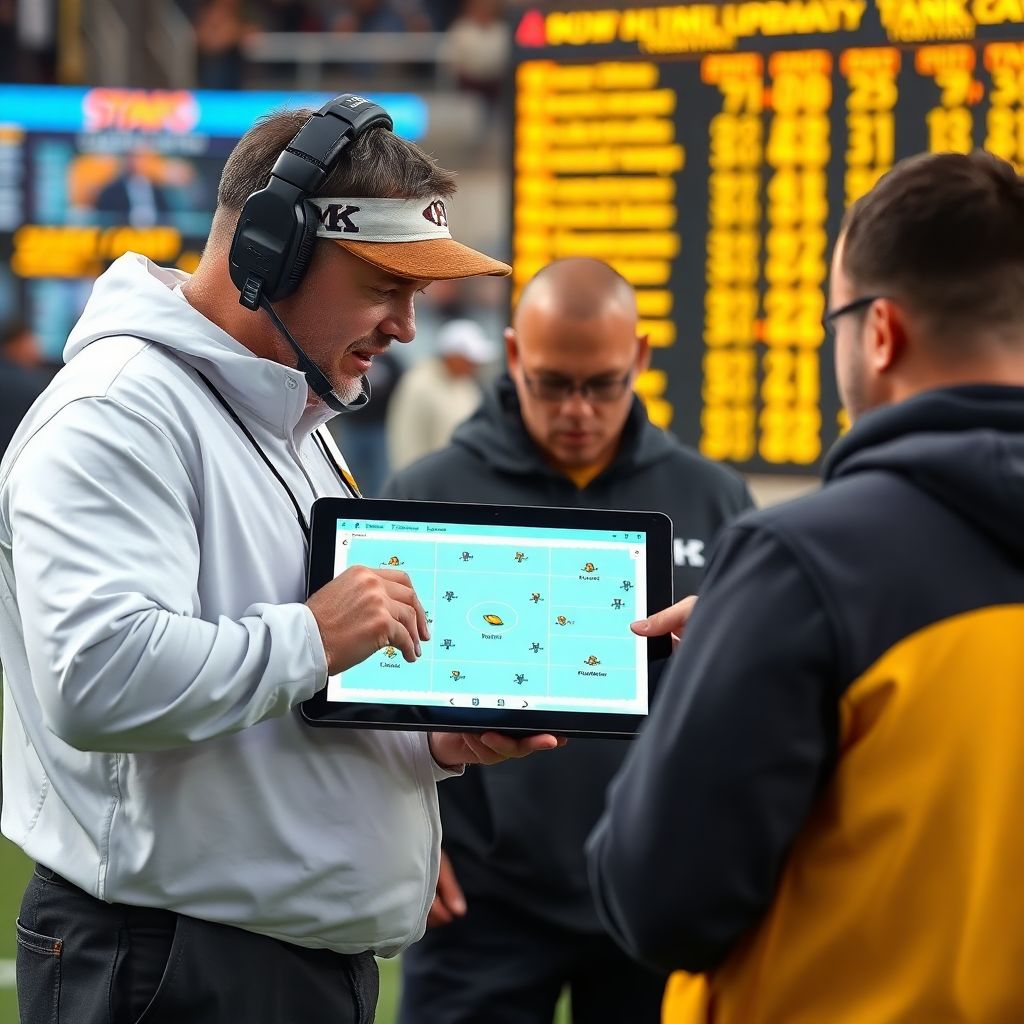
Blitzing elite quarterbacks works when pressure is coordinated with disciplined coverage, clear rules, and defined risk limits. Build a focused football defensive playbook that majors in a few core pressures, dresses them up with disguise, and drills communication relentlessly. Measure success by disruption: hits, hurries, forced checkdowns, and takeaways, not only sacks.
Tactical Summary: Blitz Elements to Prioritize
- Limit your blitz menu to a small core package and rep it heavily before adding tags or designer calls.
- Tie every pressure to a simple, clearly taught coverage rule set that your DBs can communicate quickly.
- Blitz from simulated looks first, then layer in true five- and six-man pressures once communication is clean.
- Attack protections, not formations: identify slide rules, RB responsibilities, and hot answers in advance.
- Use pre-snap disguise with post-snap integrity; coach landmarks and rush lanes as aggressively as cover rules.
- Track disruption metrics every game to decide which blitz packages against elite quarterbacks stay in the call sheet.
Blueprint for Effective Blitz Packages Against Elite QBs
This blueprint is for high school and college coaches with a functional base defense who want to integrate targeted pressure without blowing coverages. If your unit still struggles with basic alignment, tackling, and spot drops, stay in your base and address those first before building exotic pressure.
Elite QBs punish undisciplined blitzing. They recognize overloaded edges, drift away from obvious pressure, and find one-on-ones outside. Your goal is to present them with the same picture repeatedly pre-snap and change the reality post-snap, using a small, well-drilled family of pressures.
Before designing anything that might look like an nfl-style blitz defensive playbook pdf, confirm these readiness indicators:
- Your defense can line up correctly within the play clock versus common offensive tempos.
- Safeties and nickels can communicate coverage checks confidently and loudly.
- Second-level defenders understand gap fits in your base fronts.
- DL can execute at least one basic twist game without losing rush lanes.
Skip heavy blitz installation when:
- You are facing a tempo offense and your sideline communication is inconsistent.
- Your secondary is inexperienced and still learning base pattern-match rules.
- Conditioning is a problem; players cannot sustain effort with repeated rushes.
- You lack at least one reliable cover defender to handle isolated matchups.
Designing Pressure With Risk-Managed Personnel Groups
Design pressure around what your players do well, not around the flashiest diagrams from a defensive coordinator clinic blitz schemes presentation or advanced football defense coaching course. Identify stress-tolerant positions and players who can live in space, tackle in the alley, and communicate under pressure.
Core requirements before installing your pressure packages:
- Front versatility: Ability to align in at least two fronts (e.g., Over and Under, or Odd and Mint) without confusion.
- Defined blitz roles: One or two LBs and one DB who can time the snap and defeat blocks reliably.
- Coverage communicators: At least one safety and one nickel/corner who run the back-end checks.
- Tackling in space: Edge and overhang defenders who can tackle backs and slots after quick throws.
- Film access and breakdown: Ability to chart protections, RB responsibilities, and screen tendencies.
Risk-manage your personnel groups by categorizing them:
- Base pressure group – Your every-down personnel with day-one pressures and simulated blitz looks.
- Nickel/dime pressure group – Sub-package built for long-yardage situations with more DB blitz ability.
- Short-yardage pressure group – Heavier package emphasizing interior knock-back and A/B-gap pressure.
For each group, define:
- Who is allowed to blitz and from where.
- Who always owns the post or middle of the field.
- Maximum number of true five- and six-man pressures per game plan.
Pass-Rush Techniques That Create Hesitation and Turnovers
Before installing specific pass-rush progressions, recognize these core risk points and limitations so your teaching stays safe and clear:
- Over-aggressive edge rushers can open escape lanes; always pair contain rules with inside counter plans.
- Interior blitzers who guess gaps create huge seams; use landmarks and “aim small” rules, not freelancing.
- DB blitzers must know “blitz unless” rules (motion, bunch, empty) to avoid uncovered receivers.
- Twists and games raise communication load; install them only when base rush responsibility is consistent.
- High-contact drills must respect player safety: limit full-speed collisions and emphasize controlled finishes.
Use this stepwise progression to build a pressure-friendly pass rush that creates hesitation and turnovers without blowing structure.
-
Clarify rush lanes and quarterback launch point
Teach rushers where the QB wants to set up in your opponent’s core concepts. Mark the landmark on film and in practice, then define four rush lanes (two edges, two interior) to contain that spot.
- Coach edge rushers to cage the QB at the depth of his drop, not merely run past the pocket.
- Assign interior rushers to stay level with the QB’s upfield shoulder, avoiding vertical seams.
-
Install a base get-off and strike progression
Blitz effectiveness starts with first step and hands. Use a simple cadence progression (ball, clap, or verbal cue) to drill simultaneous get-off, then add violent hand strike and extension into the blocker.
- Emphasize eyes to the near pec of the blocker to read set angle.
- Finish drills by throttling down near the QB to avoid penalties and protect player safety.
-
Add one primary and one counter move per rusher
Limit each rusher to one main move and one counter to keep decision-making fast. For example, pair a speed rip with an inside spin, or a bull rush with a late arm-over.
- Run “decision line” drills where rushers commit to a move by their third step.
- Grade reps on timing, pad level, and ability to finish on balance, not on highlight aesthetics.
-
Integrate blitz path and hip-to-hip fits
Once individual moves are functional, integrate them into defined blitz paths. Teach second-level blitzers to insert tight off DL movement and stay hip-to-hip through the gap to eliminate escape alleys.
- Use cones or bags to trace blitz tracks and enforce tight angles.
- Pair two rushers in drills and demand they finish on two different levels, not stacked in the same lane.
-
Combine rush with takeaway finish mechanics
Transition from “pressure only” to “pressure for takeaways.” Once rushers arrive controlled, teach safe club-through swipes at the throwing arm and strip attempts that avoid contact with the QB’s helmet or knees.
- Drill punch-out on blindside hits and controlled rake on frontside hits.
- Always coach defenders to avoid landing with full body weight on the QB.
-
Simulate game timing with coverage attached
Finish by combining rush with realistic coverage and routes. Time how long it takes the QB to reach his primary read; emphasize disrupting that timing window without busting coverage assignments.
- Rotate calls from your actual football defensive playbook so players feel game-like communication.
- Chart hurries, hits, batted balls, and forced throwaways to measure disruption over sacks.
Coverage Principles to Complement Aggressive Rushes
Use this checklist to confirm your coverage structure can support your pressure plan.
- Every blitz call has a clearly defined hot throw and a trained defender responsible for tackling it.
- Your safeties know when they are the “erase” player and never involved in pressure on that call.
- Boundary corner rules versus isolation (fade, slant, back-shoulder) are simple and rehearsed weekly.
- Nickels and overhangs have firm rules for bunch/stack: in-out, lock, or banjo, tied to each blitz family.
- Zone pressures are tagged with landmark drops (e.g., hash, numbers, middle hook) instead of vague areas.
- Pattern-match rules versus 3×1 are pared down on blitz downs to remove complex switch calls.
- Screen responsibility is explicit: at least one non-rushing defender owns RB and one owns WR screen.
- Communication terms are short and consistent; no new words just for one weekly blitz design.
- Back-end players can state their job in one sentence before the snap: leverage, depth, and help.
- Film shows more contested throws and forced checkdowns on blitz calls than unchallenged verticals.
Pre-Snap Disguise and Post-Snap Discipline
Elite quarterbacks study structure, not just individual defenders. Disguise is about holding a consistent shell and late movement, then playing fast within your rules. These are common errors that turn creative disguise into easy explosives for the offense.
- Showing blitz too early and allowing the QB to check to max protect or hot beaters.
- DBs creeping down without eye discipline, tipping pressure and still arriving late to their landmarks.
- Over-rotating the secondary on the snap, creating open seams and leverage issues inside.
- Changing the picture pre-snap but giving no post-snap rotation, which savvy QBs quickly diagnose on film.
- Using different disguise mechanics for each blitz family, overloading players mentally.
- Letting individual players freelance late movement unrelated to the called coverage.
- Failing to rep disguise versus motion, shifts, and tempo, so structure collapses when the offense changes the picture.
- Not coaching body language: defenders telegraph pressure with tense posture, feet, or eye focus.
- Abandoning rush-lane rules to “get there faster,” opening perfect scramble lanes.
- Tagging complex disguise on early downs instead of saving it for defined passing situations.
In-Game Adjustment Protocols and Game-Planning Metrics
Even with a detailed football defensive playbook, you need simple in-game levers to pull when blitzes either hit or miss. These alternatives help you stay aggressive without exposing your defense once the QB or play caller adjusts.
-
Simulated pressure instead of full blitz
Drop a DL into coverage and bring a second-level player so the offense sees blitz but still faces a four-man rush. Use this when you are getting the protection you want but giving up explosives behind zero or one-high pressure.
-
Bluff-and-bail pressure looks
Show double A-gap or edge pressure, then bail both backers to low-hole or middle-hook zones at the snap. This is useful when elite QBs have dialed in their hot answers and you want to bait quick throws into traffic.
-
Coverage-tilt game plan with selective “must-call” pressures
Shift to more coverage calls on early downs and reserve a small list of must-call blitzes for third-and-long or red zone. This alternative is effective when your rush is not winning yet but your coverage is holding up.
-
Four-man rush plus changeup stunt package
If your blitzes are creating too much strain on the back end, lean on four-man rush with simple, repeated stunts instead. Many concepts from an nfl-style blitz defensive playbook pdf translate into low-risk line games that still affect protection rules.
Track these basic metrics each game to decide which path to lean into:
- Completion percentage and yards per attempt versus blitz compared with four-man rush.
- Explosive plays allowed (by formation and down) on pressure calls.
- Disruption numbers: hits, hurries, batted balls, forced throwaways, and takeaways.
- QB run scramble damage when you heat him up.
Use that feedback loop to revise the next week’s call sheet and refine which defensive coordinator clinic blitz schemes belong in your game plan and which belong only in the advanced football defense coaching course clinic tape.
Common Tactical Concerns and Rapid Solutions
How many blitz concepts should I carry into a game?
For an intermediate-level unit, carry a small core: two to three zone pressures, one to two man pressures, and one to two simulated looks. Emphasize tags and presentation changes over adding brand-new blitz families every week.
What is the safest way to start blitzing an elite quarterback?
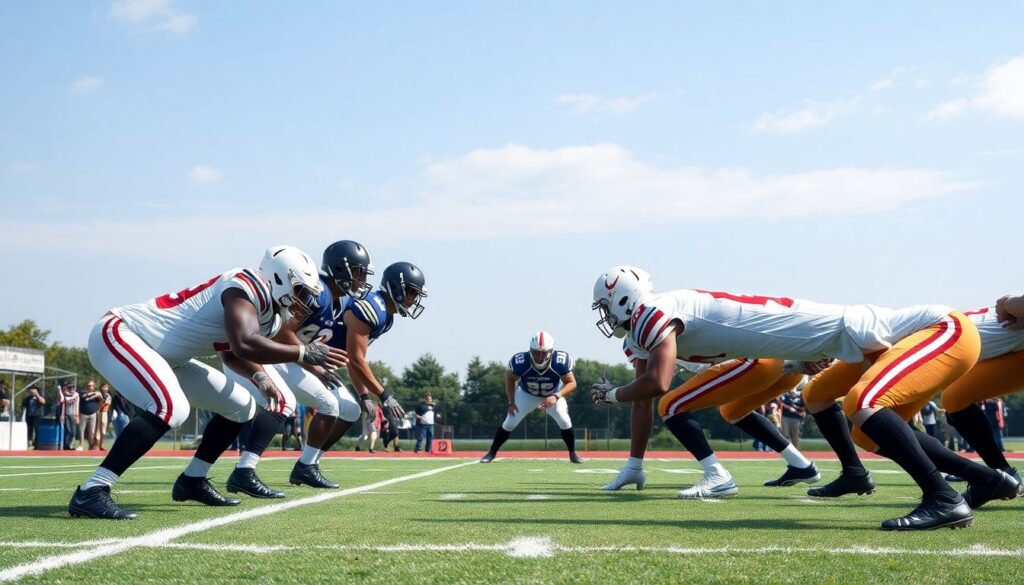
Start with simulated pressure: present six or seven near the line but rush four and keep your coverage structure intact. You get communication and disguise practice with less exposure to big plays if a rusher loses contain.
How do I protect my young secondary when I blitz?
Use more zone pressure than pure man, simplify pattern-match rules, and clearly define who owns hot throws and screens. Call blitzes in predictable passing situations and away from your least experienced DB as much as possible.
How can I tell if a blitz package is worth keeping in the playbook?
Evaluate it over several games by disruption, not just sacks. If a pressure consistently creates hurried throws, checkdowns short of the sticks, or takeaways without a spike in explosives allowed, it earns a permanent spot.
What practice time should I allocate to blitz work each week?
Reserve a short daily segment for base pressures and a focused team period two to three times per week for full-speed blitz and coverage integration. Prioritize communication and alignment over adding more calls.
How do I adapt my blitz plan when the offense goes fast tempo?
Use a condensed menu of calls tagged to simple signals and stay in the same personnel group. Avoid exotic disguise; lean on your most practiced pressures that your defense can execute tired and under time pressure.
Can I effectively blitz without elite pass rushers?
Yes, if you attack protection rules, not just matchups. Use movement, overloads on backs and tight ends, and simulated pressure to scheme free runners instead of relying on one-on-one wins every snap.