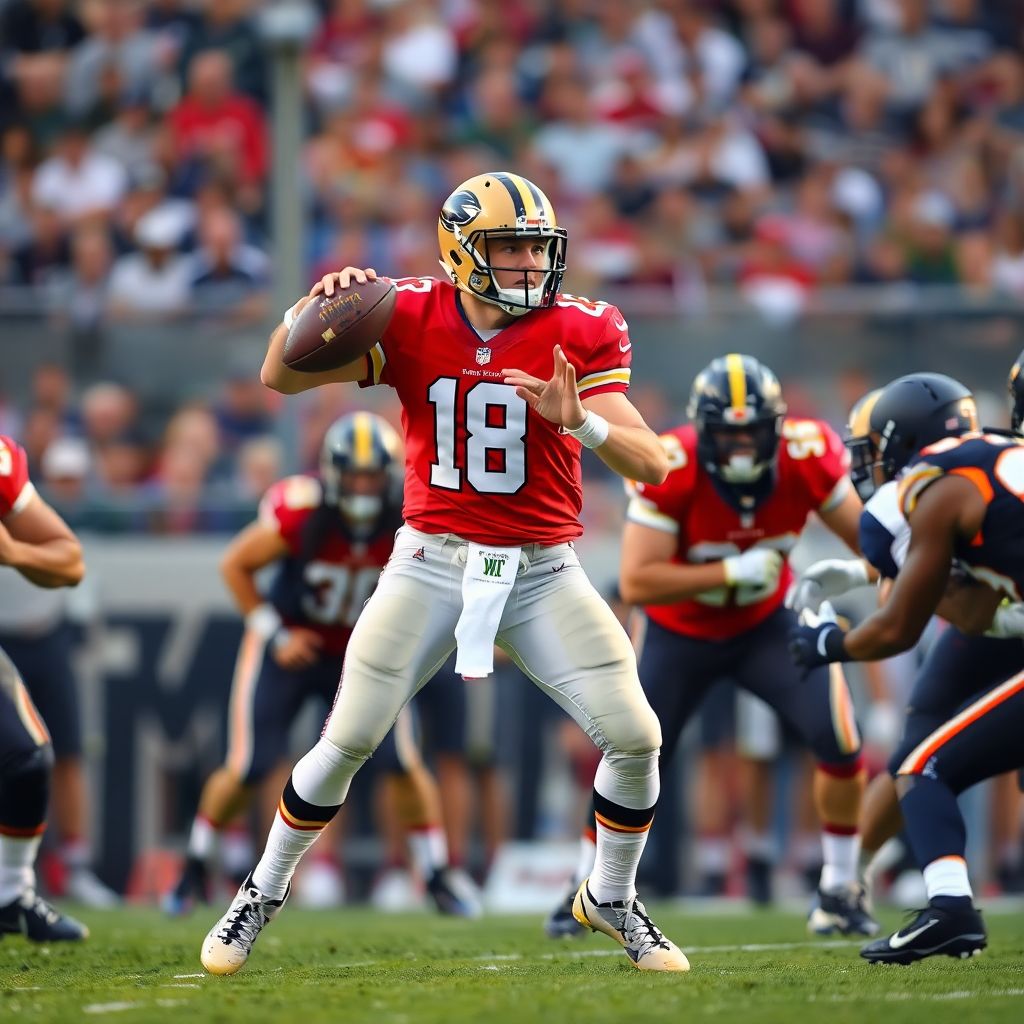
Dual-threat quarterbacks are passers who are also legitimate designed-run and scramble threats, forcing defenses to defend all 11 offensive players. Their rise pushes traditional offenses away from static, under-center systems toward spread, shotgun, and option-based structures, retooling protections, route concepts, and practice habits to maximize QB mobility without exposing him to unnecessary hits.
Core Implications of Dual‑Threat QB Emergence
- Offenses gain a built-in numbers advantage in the run game because the quarterback must be accounted for as a runner.
- Defenses respond with more zone, simulated pressure, and athletic second-level personnel, shrinking clean throwing windows.
- Offensive structure shifts toward shotgun, spread sets, option concepts, and RPOs as core, not as change-ups.
- Protection schemes evolve to include movement pockets, half-rolls, and option protections instead of static five- or seven-step drops.
- Evaluation of quarterbacks leans more on efficiency, decision speed, and explosive play creation than on pure pocket mechanics.
- Practice plans must drill decision rules, slide rules, and contact-avoidance techniques as heavily as traditional read progressions.
Evolution of QB Skill Sets: From Pocket Passers to Athletic Leaders
A dual-threat quarterback is best defined by constraints on the defense, not just by 40-yard dash time. If the defense must dedicate bodies to both the QB as a runner and a passer on every snap, you have a true dual-threat. This fundamentally differs from a pocket passer who only runs in emergencies.
The traditional model prioritized stature, under-center footwork, and progression reads off deep, intermediate, and checkdown routes. Mobility was a bonus, not a requirement. In today’s landscape, especially in dual threat quarterbacks NFL analysis, mobility and play-extension have become central evaluation pillars, alongside accuracy and processing.
At the college level, recruiting and development trends are even clearer. Spread high school offenses produce athletes who have carried the ball in zone-read, RPO, and quarterback draw concepts for years. Many of the best dual threat quarterbacks in college football arrive with real experience making post-snap decisions, not just executing called runs.
For coaches, the practical boundary is simple: if your quarterback can handle a full field read, pull the ball on zone-read, keep on power-read, and scramble without panic, you can justify reshaping the offense around him. If he is purely a “can move but won’t” athlete, you still run a traditional build with occasional movement plays.
How Defenses Adapt: Tactical Shifts Against Mobile Quarterbacks
Understanding how defenses respond is crucial for anyone studying how dual threat quarterbacks change offensive schemes. Defensive coordinators adjust structure, personnel, and pressure to remove the QB run and scramble as cheap sources of explosives.
- More zone coverage, less man-free: Turning backs to a mobile QB in man coverage is dangerous. Defenses lean on quarters, cover 3, and match-zone concepts to keep eyes on the backfield and rally to scrambles.
- Edge-setting and rush-lane discipline: Ends emphasize contain over pure upfield rush, tackles control interior lanes, and second-level defenders are coached to “cage” the QB rather than just chase sacks.
- Dedicated QB player: Defenses will assign a spy or “rat” defender to mirror the QB on known passing downs or in high-leverage red-zone snaps, trading a coverage body for scramble control.
- Simulated and creeper pressures: Instead of all-out blitz, coordinators bring four from unexpected spots while dropping traditional rushers. This muddies the QB’s read without giving him easy escape lanes.
- Personnel lightening: Bigger linebackers give way to hybrid safety-linebacker types who can both cover space and finish in the open field, reducing mismatches against QB keepers and RPO bubbles.
- Option rules vs. zone-read: Defenses decide who is the “give” and who is the “keep” defender. They may force the ball to the back by crashing the end and scraping over the top, or concede back carries to keep the QB bottled.
Rewriting Playbooks: Play-Calling, Formations and the Rise of RPOs
Once you understand the defensive mechanics above, the next step is to design offensive playbooks for dual threat quarterbacks that create favorable numbers and leverage. Below are typical deployment scenarios that move theory into practice.
-
Zone-read as a base run:
Out of shotgun, the offensive line blocks inside zone. The QB reads the backside end: crash = pull and attack the edge; sit = give to the back. This steals a defender from the box and forces the defense to reveal its option rules.
-
RPOs off inside zone:
The line blocks run, the back hits inside, and the QB reads a second-level defender. If that defender triggers downhill, the ball is thrown behind him (slant, glance, or stick route). If he holds, the QB hands off. This is where how dual threat quarterbacks change offensive schemes becomes most obvious.
-
QB power and counter from spread sets:
Using pulling guards and H-backs, the QB becomes the primary ball carrier on power and counter concepts. The running back can be used as a lead blocker or window-dressing motion, stressing interior fits while still keeping spread passing threats on the field.
-
Boot, sprint-out, and moving pockets:
Instead of static seven-step drops, coordinate half-rolls and sprint-outs that break the rush cage and move launch points. This punishes disciplined, lane-sound rush plans by changing the picture and simplifies reads to hi-low concepts on the move.
-
Empty formations with QB draws:
Spread the defense with five receivers, then run designed QB draws and delays against light boxes. If defenses respond with pressure, quick game and hot routes punish them; if they sit back, the QB attacks open interior grass.
-
Red-zone constraint plays:
On the goal line, use speed option, shovel option, and sprint-out flood. The QB’s legs change angle and numbers math on the short field, turning tight red-zone windows into space and one-on-one matchups.
Protecting the QB: Offensive Line Schemes, Design Runs and Injury Management
As dual threat vs pocket passer quarterback advantages become clear, so do the risks. More QB involvement in the run game increases exposure to hits. Protection and usage must adapt to capture upside without compromising durability.
Offensive and Structural Advantages
- Run-game leverage and numbers: Offense gains a +1 advantage when the QB is a ball-carrier, allowing light boxes, spread formations, and fewer tight ends without sacrificing run efficiency.
- Coverage stress and simplified reads: Scramble threat forces more zone and shorter rush paths, often yielding predictable coverage shells and clearer pre-snap tells.
- Red-zone and short-yardage efficiency: QB power, draw, and option make it harder for defenses to load up on the back and dive, improving conversion odds without exotic formations.
- Pass rush mitigation: Defenses are less willing to call greedier, deeper rush paths, knowing the QB can escape. Well-designed nakeds and sprints can neutralize elite edge rushers.
- Personnel flexibility: Offenses can stay in 11 personnel and still present heavy and light looks by motioning tight ends and backs, with the QB run threat bridging the gap.
Constraints, Trade-offs and Risk Management
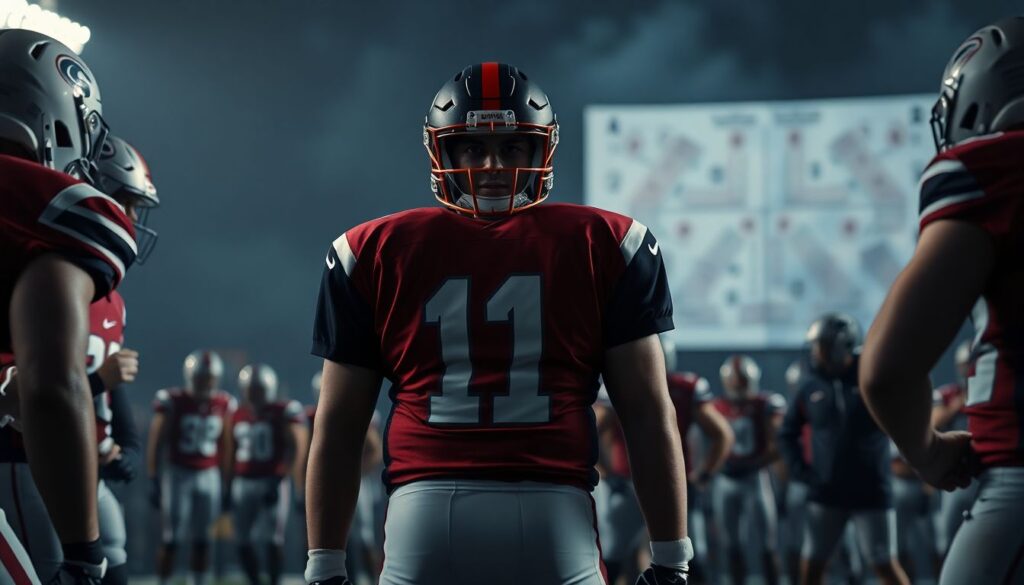
- Wear and tear on the QB: Even if contact is mostly glancing, cumulative hits add up. Design runs must be rationed, especially on early downs outside the red zone.
- Protection complexity: Blending pass protection, RPO rules, and option protections makes communication more demanding for the offensive line and backs.
- Depth chart exposure: Many teams lack a backup with similar skill sets. If the starter goes down, the entire playbook might need a midseason rewrite.
- Decision-load on the QB: Post-snap read responsibilities can slow processing if teaching progression is poor, causing hesitancy and negative plays.
- Film counter-adjustments: Once tendencies in RPO and QB run game are on tape, defenses will build specific calls to take away favorite concepts, requiring constant self-scout.
Measuring Value: Advanced Metrics and Film Indicators for Dual‑Threats
Good dual threat quarterbacks NFL analysis requires more than highlight runs and box-score rushing yards. Evaluators should focus on decision quality and how the QB impacts defensive structure over four quarters, not just on fantasy-friendly stats.
- Myth: More rushing yards always equals better play. Many “big rushing” games come from broken protection and poor timing. Look instead at success rate on designed QB runs, scramble EPA, and how often the QB turns pressure into first downs.
- Myth: Dual-threat QBs cannot win from the pocket. Film often shows that when kept clean, many dual-threats deliver on-time throws within structure. Track clean-pocket efficiency and third-and-long conversion rates before labeling a QB “run-first.”
- Myth: RPO-heavy systems hide weak QBs. In reality, RPOs increase mental load: the QB must process pre- and post-snap, manage mesh mechanics, and protect the ball. Evaluate misread rates, turnover-worthy throws, and timing on quick-game concepts.
- Error: Ignoring situational usage. Some coordinators call more QB runs in high-leverage downs or red-zone situations. Raw attempt counts can be misleading; chart by down, distance, and field zone to understand true intent.
- Error: Separating run and pass in isolation. The QB’s ground threat affects coverage shells, box counts, and blitz rates. Pair quantitative metrics with film to see how often defenses alter structure specifically because of the QB.
- Error: Comparing only to pure pocket archetypes. When weighing dual threat vs pocket passer quarterback advantages, adjust for scheme, supporting cast, and protection quality instead of making direct, context-free statistical comparisons.
Transitioning Traditional Offenses: Coaching Methods, Personnel Moves and Practice Drills
When a staff inherits or recruits a mobile QB, the challenge is turning theory into an install plan. Below is a simple transition path that keeps terminology familiar while gradually increasing dual-threat elements.
-
Start with language, not plays:
Keep your core pass concepts and tags. Rename or re-tag only where necessary (for example, adding “read” tags to existing inside zone calls) so veterans can adapt without full mental reset.
-
Introduce one read-run family at a time:
Begin with inside zone-read from your base formations. Once the OL and QB are comfortable with mesh mechanics and read rules, layer in RPO tags to routes you already trust.
-
Re-balance personnel packages:
Add a flexible H-back who can insert as a lead on QB power, arc-release on option, or align wide as a receiver. This single position switch opens up multiple dual-threat looks without telegraphing intent.
-
Design practices around decisions:
Dedicate segments where the QB gets rapid-fire zone-read or RPO looks: coaches or analysts “flash” defender movements post-snap, and the QB responds by verbalizing and then executing give/keep/throw choices.
-
Protect the QB in live work:
In team periods, emphasize “thud” contact and strict rules on finishing plays near the sideline. Coach slides and step-outs as seriously as progressions, reinforcing that availability is a core part of performance.
-
Self-scout and iterate:
At least weekly, chart which QB runs and RPOs you actually call, by formation and field position. Remove stale concepts, and build counters off your most frequently used tags to stay ahead of defensive breakdowns.
Over time, this approach turns a classic playbook into one of the more modern offensive playbooks for dual threat quarterbacks without erasing your core identity. The goal is not to copy a specific system but to graft dual-threat principles onto what your staff already teaches well.
Common Practical Concerns When Implementing a Dual‑Threat QB
How many designed QB runs should I call per game?
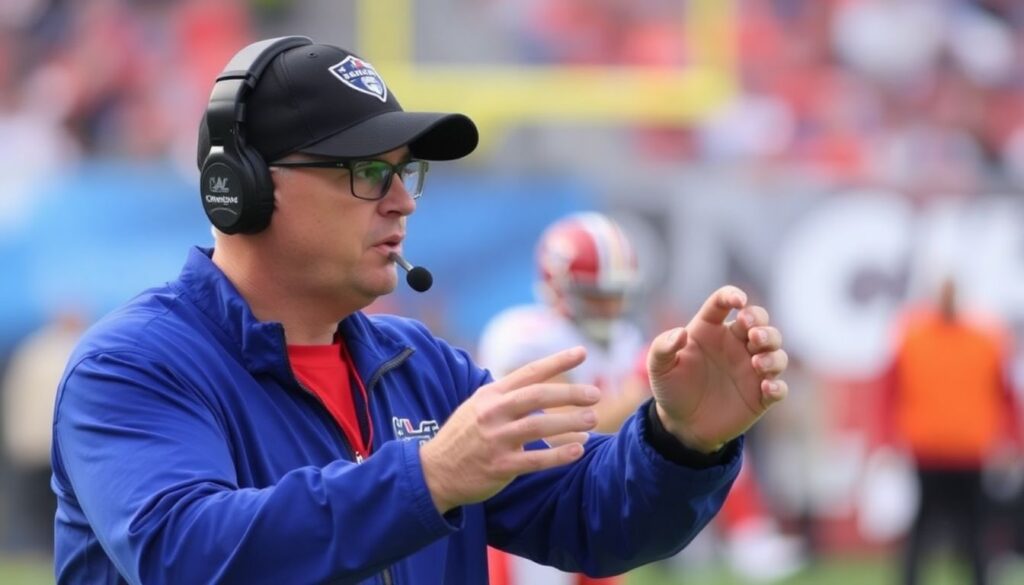
Think in situations, not raw counts. Emphasize QB runs in red-zone, two-point, and critical third- and fourth-downs, while keeping early-down volume modest. Let scrambles provide “bonus” carries and protect your QB from excessive interior collisions.
Can I still use under-center concepts with a dual-threat quarterback?
Yes, but prioritize shotgun for your option and RPO packages. Use under-center for play-action, boots, and specific gap schemes where ball-handling and deception matter more than read mechanics.
What changes first for my offensive line rules?
Communication around combos and second-level ID becomes more important. Linemen must understand when they are blocking for pure run, RPO, or play-action, and which defenders are intentionally left unblocked as read keys.
How do I protect a mobile QB from unnecessary hits?
Coach strict rules: slide on second-and-long, get out of bounds in the open field, and avoid fighting for dead yards. Design more perimeter options and keep the QB away from repeated A-gap collisions.
Do I need a dual-threat backup to run the same system?
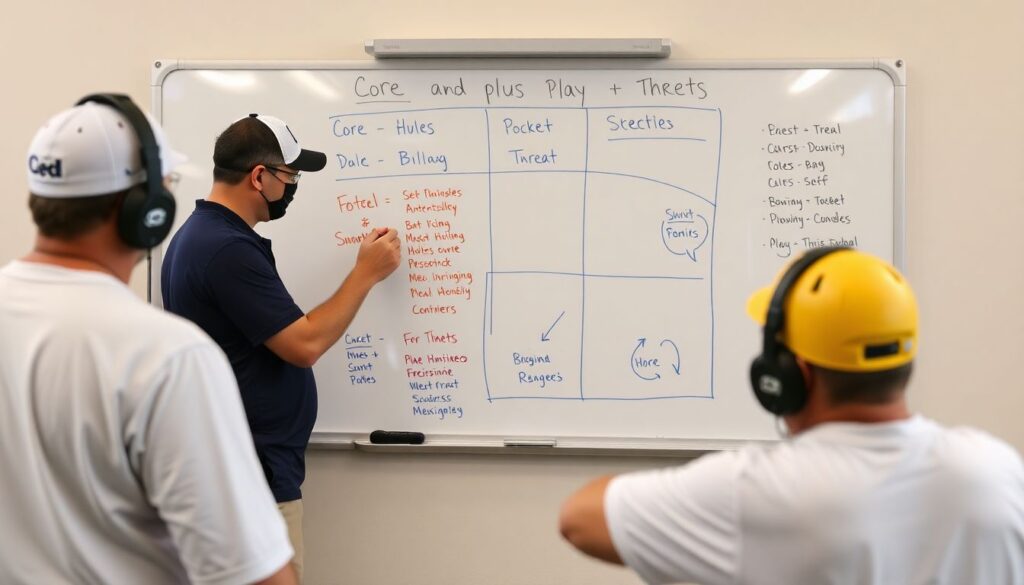
It helps, but is not mandatory. Build a “core” menu that any QB can run, and add a “plus” menu of dual-threat calls when your mobile starter is available. Install both sets during camp so the team can pivot quickly.
How should I adapt my passing concepts for a dual-threat?
Favor defined, layered reads with built-in outlets in the flat. Pair movement passes with simple hi-low or flood concepts, and always keep a checkdown that can punish conservative, QB-focused defenses.
What should analysts focus on when charting a dual-threat QB?
Track decision outcomes on reads (correct/incorrect), scramble efficiency, pressure-to-sack rates, and how defenses change structure week to week. These data points show whether the QB is truly dictating terms to opponents.