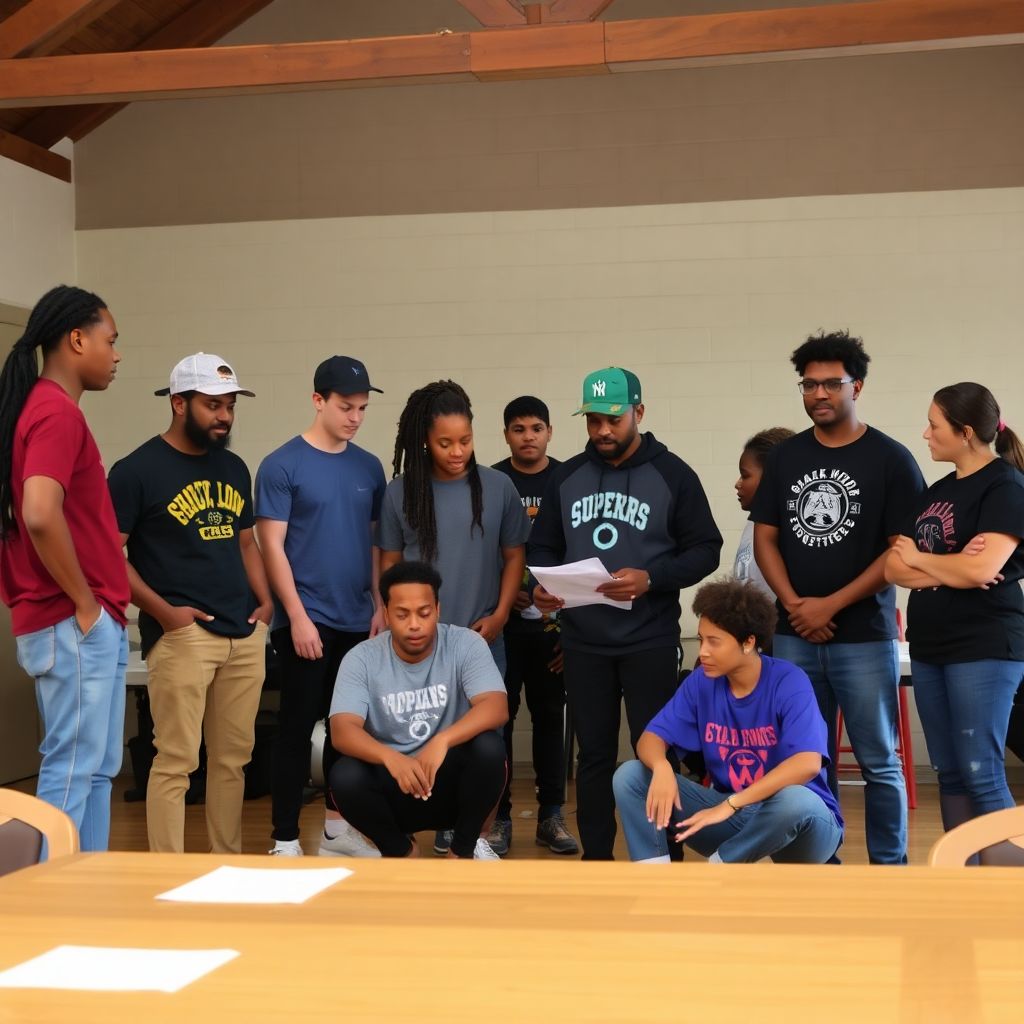
Off the field, athletes can drive real community change by setting a clear cause focus, building safe, well-governed programs, and partnering with trusted local organizations. Start small with one pilot initiative, define basic success metrics, communicate transparently, and only scale after you can show consistent, repeatable impact for the community you serve.
Essential Action Brief
- Choose one community issue that genuinely connects to the player’s life story and values before launching anything public.
- Start with a simple, low-risk pilot program instead of immediately forming a full athlete charity foundation making a difference in many areas at once.
- Work through experienced nonprofits, schools or clubs to handle logistics, background checks and child safety protocols.
- Define 3-5 practical KPIs (attendance, completion, satisfaction, basic outcomes) and track them from day one.
- Share honest, data-backed updates instead of polished sports stars philanthropy and community impact stories with no evidence.
- Use a written partnership and governance structure to protect the player’s reputation and the community’s trust.
- Scale only proven, affordable activities; say “no” to requests that pull you away from your core impact lane.
Why Athlete-Led Philanthropy Matters: Strategic Rationale
Athlete-led giving works best when a player has a stable career position, a recognizable personal brand, and at least a small, reliable support team (agent, manager, or trusted advisor). In that context, how professional athletes give back to the community can shape both social outcomes and long-term brand value.
This path is especially relevant when:
- The player has lived experience with a specific issue (youth homelessness, access to sport, food insecurity, social justice).
- There is an existing, active fan base or local media interest that can amplify messages and calls to action.
- The club or league already supports community programs that can be extended or deepened by the player.
- The player is ready to commit time, not just money: site visits, mentoring, content, and advocacy.
It is usually not the right time to create player-led nonprofit organizations and charitable initiatives when:
- The player is still fighting for a roster spot or income is unstable.
- Personal legal or reputation risks are unresolved, which could distract or undermine community work.
- There is no bandwidth to handle governance, compliance, and communications safely.
- The main motivation is image repair, not genuine impact, leading to shallow, easily criticized campaigns.
In such cases, low-visibility support of famous athletes supporting social justice and community programs (e.g., via donations to existing groups or joint campaigns) can be a safer starting point than launching a standalone foundation.
Aligning a Player’s Personal Brand with Community Needs
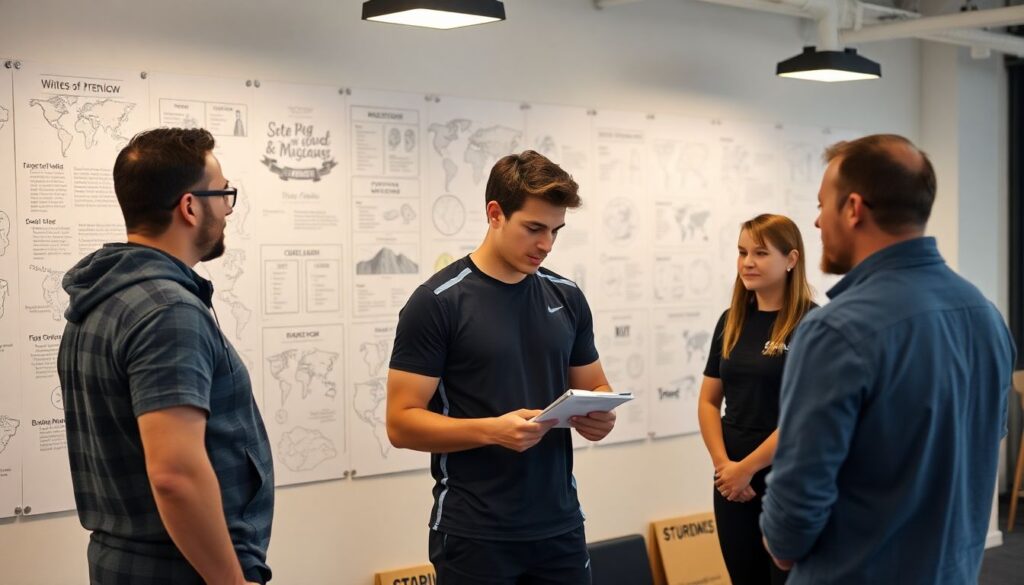
Alignment prevents scattered, ineffective activity and keeps expectations realistic for everyone involved.
You will need:
- Player story map: A short, written summary of the player’s background, key challenges, mentors, and life-changing moments outside sport.
- Brand positioning notes: How the player is currently perceived (competitor, leader, comeback story, local hero, activist, family-first, etc.).
- Local needs snapshot: Simple, up-to-date information from city reports, school districts, youth clubs, or community surveys about top issues.
- Risk and safety checklist: Club or league community guidelines, child protection rules, media policies, and any agent/contract constraints.
- Basic tools and access:
- Email list or social channels you control for announcements.
- A secure way to receive donations (through a trusted fiscal sponsor or existing nonprofit partner).
- Calendar access to block community days well in advance.
- Simple project management (a shared doc or board) to list commitments and deadlines.
To connect brand and need safely:
- List 3-5 cause areas that fit the player’s story; cross-check each with clear, existing community demand.
- Exclude topics that conflict with team sponsors, league rules, or personal risk areas.
- Choose one “primary lane” (for example, after-school sports access) and one “support lane” (for example, literacy or mental health) at most.
- Document this focus in a one-page cause statement you can share with all partners.
Designing High-Impact Programs with Limited Resources
Use this safe, step-by-step approach to move from idea to a realistic pilot program that protects both the community and the player.
-
Clarify the core problem in one sentence
Write a simple statement: who is affected, where, and how. Avoid solving everything at once.- Example: “Middle school kids in X neighborhood lack affordable, safe sports activities after school.”
- Validate with a quick call or meeting with at least one school, community center, or youth nonprofit.
-
Define one realistic outcome for the first year
Set a basic, non-technical target you can explain to fans and media.- Examples: “Run an 8-week clinic for 40 kids,” “Provide 100 equipment kits,” or “Host 3 reading-and-sport days.”
- Confirm you have enough time, budget, and staff or volunteers to reach that outcome safely.
-
Choose a safe delivery format
Decide how support will actually reach people, using formats that are easy to manage and supervise.- Clinics or camps run by an experienced local organization, with staff already vetted and insured.
- Scholarships or fee waivers managed by schools or clubs, not directly by the player.
- Equipment or meals distributed through trusted partners who understand logistics and safety.
-
Select and secure a lead partner
Look for organizations that already serve your target group every week.- Ask for proof of insurance, child safety policies, and background checks for staff and volunteers.
- Review past sports stars philanthropy and community impact stories involving them and request references from other partners.
- Sign a simple written agreement covering roles, branding, decision-making, and reporting.
-
Design a minimal, clear program schedule
Build around the player’s calendar, not the other way around.- Limit direct player appearances to a few high-quality, well-planned days.
- Ensure trained staff run all other sessions so the program continues even when the player is traveling or injured.
- Add buffer time for weather, facility issues, and playoffs or tournament runs.
-
Set basic KPIs and safe data practices
Keep metrics simple and respectful.- Track: attendance, participation hours, completion rate, and basic feedback from participants and partners.
- Avoid collecting sensitive data (health, immigration, detailed personal history) unless your partner already has proper safeguards.
- Agree on who owns the data and how it can be used in stories or marketing.
-
Plan communications that center the community
Use the platform responsibly to highlight people and solutions, not just the player.- Share a mix of short updates, behind-the-scenes looks, and clear information on how others can help.
- Make sure photos and videos respect privacy rules; get written permissions where needed.
- Tell honest narratives, similar to the strongest athlete charity foundations making a difference, focusing on the community’s resilience and progress.
-
Run a small pilot and debrief thoroughly
Start with the smallest version of your idea.- After the pilot, meet with the partner, staff, and-if appropriate-participants or families.
- Ask: What worked? What was confusing? Where did we risk safety, overwork, or disappointment?
- Decide whether to continue, pause, or redesign before committing to a longer-term initiative.
Fast-Track Mode: Minimum Viable Playbook
- Pick one clear problem and one neighborhood you want to support.
- Find a single trusted local partner already serving that group and co-design a simple, short program.
- Limit the first run to a safe, manageable size and track only 3-5 basic metrics.
- Share modest, fact-based updates; avoid overpromising future support.
- Repeat or expand only if partners and participants confirm that the pilot truly helped.
Forming and Managing Local Partnerships for Lasting Change
Use this checklist to confirm whether your partnerships are set up for long-term, safe impact.
- The partner has a proven track record with your target population and can describe it in specific, recent examples.
- Roles and responsibilities are written down, including who leads programming, communications, and risk management.
- There is clear documentation of insurance coverage, safety protocols, and staff screening processes.
- Decision-making processes are agreed in advance for schedule changes, media requests, and crisis situations.
- Brand usage rules are explicit: logos, social posts, press releases, and speaking roles are pre-approved and repeatable.
- There is a simple but regular meeting rhythm (for example, before launch, mid-program, and post-program debriefs).
- Financial flows are transparent: budgets, funding sources, and spending categories are visible to all key stakeholders.
- Feedback from participants, parents, or community members is actively collected and reviewed together.
- Both sides can clearly state what success looks like in one or two sentences.
- There is an exit plan that protects participants if the player changes teams, retires, or funding decreases.
Measuring Social Return: Metrics, Data and Transparent Reporting

These common mistakes quietly erode trust and make even strong programs look shallow or performative.
- Tracking only vanity numbers like social media impressions while ignoring on-the-ground outcomes such as attendance or retention.
- Changing metrics every season, making it impossible to compare results or sports stars philanthropy and community impact stories over time.
- Collecting sensitive data without clear consent or secure storage, putting participants at risk.
- Publishing highlight reels that feature individuals without respecting privacy, context, or dignity.
- Overclaiming impact-for example, crediting a single clinic with “transforming” a whole community without evidence.
- Failing to share negative or neutral findings that could help improve the next version of the program.
- Ignoring partner feedback about capacity limits, which leads to staff burnout and lower program quality.
- Not budgeting time or money for basic evaluation tools, even simple surveys or structured interviews.
- Delaying or skipping annual reports to stakeholders, donors, or the club, which raises questions about governance.
Growing Impact: Scaling Pilots into Sustainable Initiatives
Once a pilot works, you have several safe options to increase impact without immediately building a large standalone entity.
- Deepen the existing partnership instead of expanding geography
Option: Add another cohort or another season with the same partner, refining quality and data.
Use when: The program works well in one location and demand is still higher than supply. - Join or fund a coalition rather than starting a new nonprofit
Option: Support a network of player-led nonprofit organizations and charitable initiatives, contributing funding and visibility instead of new overhead.
Use when: Other groups already run similar programs and need reinforcement more than new branding. - Create a flexible fund under a fiscal sponsor
Option: Use a trusted existing nonprofit to host a dedicated fund for your cause and manage compliance.
Use when: You want to support multiple local groups tackling the same issue without building a full foundation. - Only then consider a formal foundation structure
Option: Launch a properly governed entity once you have recurring revenue, clear strategy, and a multi-year plan.
Use when: The work has outgrown ad hoc support, and you can responsibly manage legal, financial, and staffing requirements.
Common Implementation Concerns
How should a player choose between starting a foundation and partnering with an existing nonprofit?
Start by partnering unless you already have stable income, committed staff, and a clear multi-year strategy. Existing nonprofits provide infrastructure, safety, and expertise; a standalone entity makes sense only after consistent, proven programs and reliable funding are in place.
What is the safest way for a young or early-career athlete to get involved?
Join established campaigns, clinics, or famous athletes supporting social justice and community programs as a guest or ambassador. Contribute time and modest donations, learn how programs operate, and avoid making long-term public promises until your career and schedule are more predictable.
How much time should a player realistically commit during the season?
Focus on a small number of well-planned appearances and regular check-ins with partners. Most operational work should be handled by professionals so that community commitments never conflict with training, recovery, or game-day requirements.
What if fan demand for appearances becomes unmanageable?
Set clear boundaries and communicate them early: define a limited number of community days and use partners to manage access. Emphasize that scaling impact comes from strong programs, not constant appearances, and highlight other ways fans can support the work.
How can a player avoid conflicts with team sponsors or league rules?
Share your cause focus and planned activities with your agent, team communications staff, and league community relations before launch. Ask specifically about restricted categories, political sensitivities, and branding guidelines to ensure that your program fits within existing agreements.
What should be done if a partner organization underperforms or faces scandal?
Pause joint activities immediately and review facts with legal or compliance advisors. Communicate carefully, prioritize participant safety, and, if necessary, redirect support to other vetted organizations while explaining the change without attacking individuals publicly.
How do you keep community work going after a trade or team change?
Design programs so that local partners can continue operating without the player’s constant presence. Maintain relationships remotely, schedule periodic visits when possible, and consider supporting similar programs in your new city rather than trying to run everything personally.