Draft Day Pressure: What Prospects Really Experience Behind the Scenes
Why Draft Day Feels Like Walking a Tightrope Without a Net
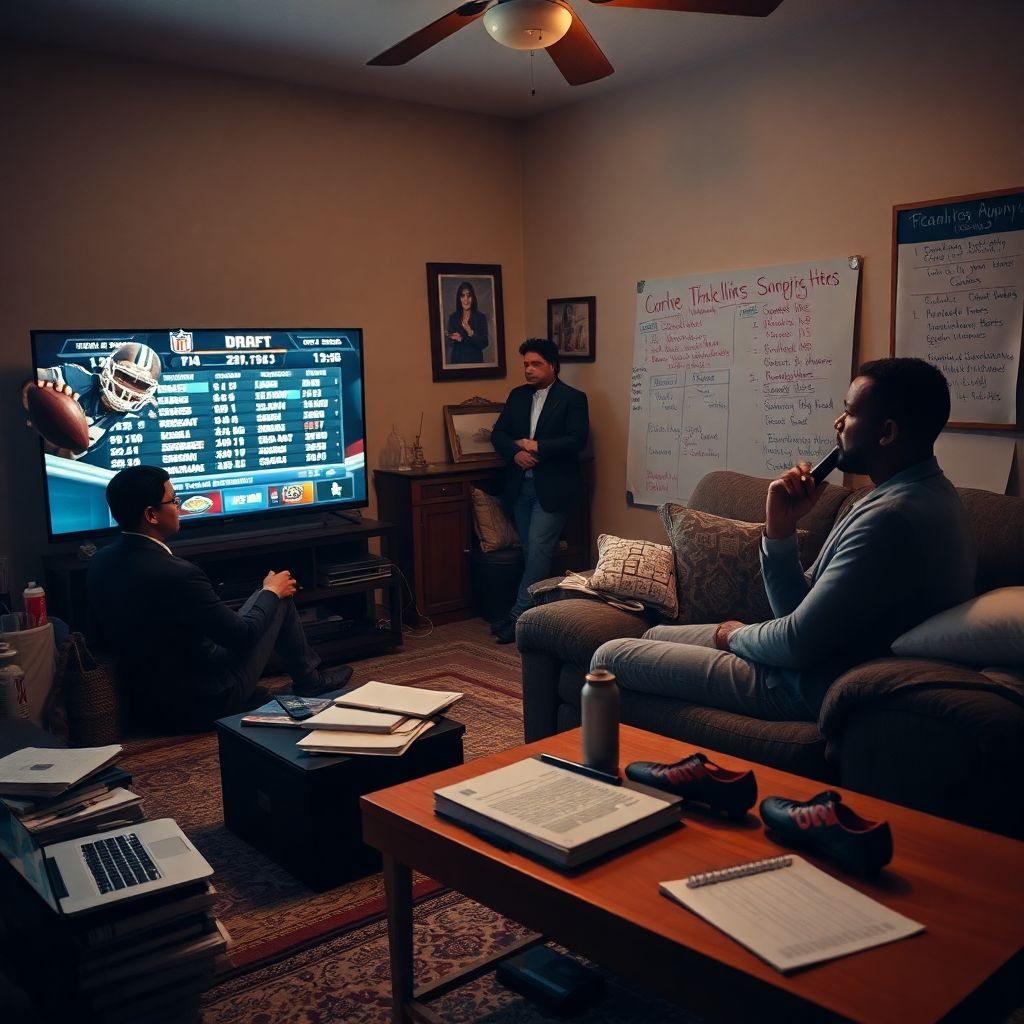
From the outside, the NFL Draft looks like a big celebration: hugs, caps, glossy highlight reels. For prospects, especially those on the bubble, it feels much closer to a 48‑hour stress test of their identity, career, and bank account all at once.
Over the last three draft cycles (2021–2023), the league has averaged about 259 selections per year, while several thousand players are draft‑eligible. In simple terms: most guys watching the draft will never hear their name called, and everyone knows it. That math alone cranks up the pressure long before Thursday night’s first pick.
—
What’s Really at Stake for Prospects
The Hidden Math Behind the Anxiety
The pressure isn’t just emotional; it’s financial and professional.
Between 2021 and 2023, an average of a little over 30 first‑rounders per year signed contracts with guarantees well into seven figures, while late‑round picks and undrafted free agents often sign deals that can be cut with minimal cost to the team. A slide of just one round can easily mean a difference of several million dollars over the life of a rookie contract. Players and families talk about this openly in living rooms on draft weekend; it’s not abstract.
At the same time, teams are investing more and more into mental and emotional evaluation. Over the last three years, clubs have expanded psychological profiling, interviews, and background checks. That means prospects feel judged not just on their 40‑yard dash, but on every answer, every social media post, and every rumor.
—
Necessary “Tools” Prospects Use to Handle Draft Day Pressure
It’s Not Just Cleats and Cones Anymore
When people think of an nfl draft preparation training program, they picture sprint drills and bench presses. Those matter, but they’re only half the toolkit prospects lean on when the pressure peaks around draft day.
Here are the core “tools” most serious prospects now use, beyond pure athletic work:
1. Sports psychology support
Top agents and training centers routinely plug guys into specialists in sports psychology for nfl draft prospects. That can mean breathing exercises, cognitive behavioral strategies, visualization sessions, or simple “mental reset” routines to use between phone calls on draft day.
2. Structured physical preparation
Combine and pro‑day training blocks, nutrition plans, sleep tracking, recovery tech like Normatec boots or cold tubs—players treat their bodies like short‑term startups trying to peak on a specific date.
3. Information and feedback loops
Scouting reports from agencies, feedback from college coaches, interview prep from mentors, daily check‑ins about draft grades. Even simple tools like shared Google Docs or note apps become “command centers” for who called, what they asked, and what needs work.
4. Support network management
It sounds soft, but deciding who’s in the room on draft day, which group chats are on mute, and who’s allowed to answer the phone can be the difference between staying locked in and spiraling.
These tools don’t erase the pressure, but they give prospects something to *do* with the nervous energy instead of just sitting there watching the ticker crawl.
—
The Step‑by‑Step Process Prospects Actually Live Through
1. From Last Whistle to “This Is My Job Now”
The draft journey begins the moment the college season ends. For seniors and underclassmen declaring early, the offseason stops being an offseason.
Within days, players are interviewing with potential agents, comparing what the best nfl draft prospect agencies can offer—training locations, marketing help, financial guidance, and crucially, their relationships with NFL front offices. Family pressure creeps in here: everyone has an opinion on which agency is “big enough” or “trustworthy enough.”
—
2. Choosing Representation and Understanding the Money Side
This is where the question of how to hire an nfl draft agent gets very real, very fast.
A smart prospect (or family) usually looks at:
1. Client track record – Have they represented players at your position and projected round?
2. Development plan – What’s their nfl draft preparation training program actually look like, day to day?
3. Communication – Will you get honest feedback about where teams really see you?
4. Support services – Do they coordinate sports psychology, nutrition, and media training, or just handle contracts?
5. Fee structure and transparency – No one loves talking about the percentage cut, but it matters.
Over the past three years, as NIL money has entered the picture in college sports, players arrive at this stage a bit savvier about contracts and branding—but also more cautious, because they’ve already seen deals go sideways.
—
3. Training Block and the Cost of Chasing a Tenth of a Second
Once representation is sorted, the next big decision is where to train and how much to invest. Pre‑draft training is basically a high‑intensity, short‑window boot camp.
The pre draft camp combine training cost has quietly become one of the most stressful topics for mid‑tier prospects. Full‑service programs—housing, meals, position coaches, strength & speed, medical, and mental skills coaching—can run into the tens of thousands of dollars over a few months. For surefire early picks, agencies often front the cost. For fringe guys, families sometimes dip into savings, hoping a better 40 time or sharper position work nudges them from “camp body” to “late‑round pick.”
—
4. The Combine, Pro Day, and Non‑Stop Judgment
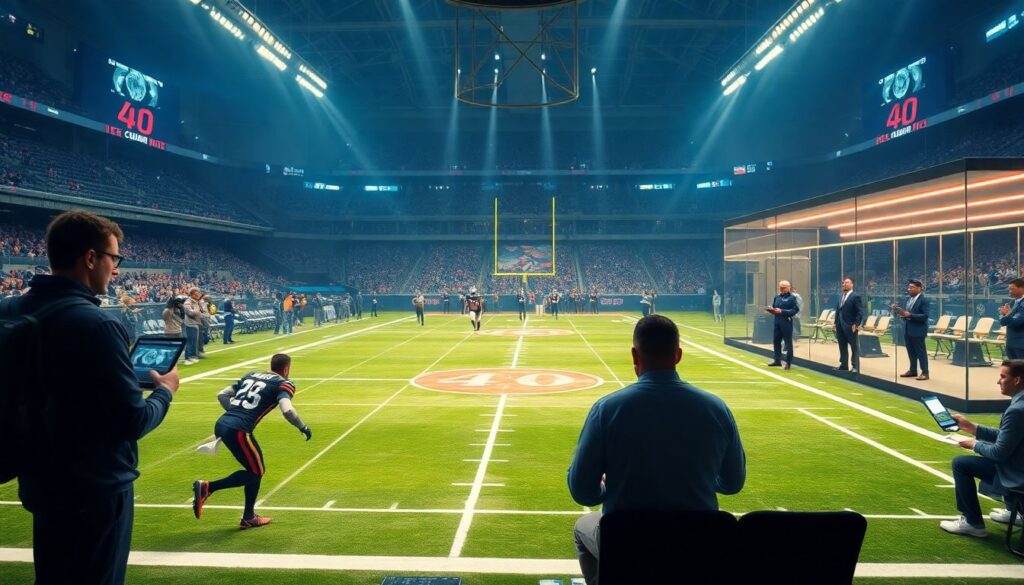
Between 2021 and 2023, the NFL invited roughly 320 prospects to the Combine each year. That sounds like a lot until you realize hundreds of legitimate pros never get an invite.
For those who do:
– Every movement is measured. Sleep, meals, medical tests, on‑field drills, interviews, psychological questionnaires.
– Every interaction is a mini‑interview. How you talk to staff, how you respond to waiting hours for a drill, how you handle a bad rep—it all gets reported back to teams.
For those without a Combine invite, Pro Day becomes their Super Bowl. One dropped pass, one bad shuttle run, in front of 32 sets of scouts, can replay in your head all the way to draft night.
—
5. The Quiet Weeks Before the Storm
After Pro Day and private workouts, things get weirdly quiet. Calls slow down. Draft projections jump around.
Statistically, this is where reality sets in: guys start hearing from their agents that they’re “Day 3 to priority free agent” or “late Day 2 if a team falls in love.” Between 2021 and 2023, the number of undrafted free agents signed shortly after the draft consistently outnumbered late‑round picks, which is both hopeful and terrifying—you may still get a shot, but with almost no leverage.
Mentally, this stretch is tough. You’re in shape, but you’re not playing. You’re working out, but there’s nothing concrete to aim at except a date on the calendar.
—
6. Draft Day: Phone Roulette and Emotional Whiplash
On draft weekend, the pressure is less about what you do and more about what you *feel*.
Prospects describe:
– Checking their phones every 30 seconds.
– Reading every text as a possible “We’re taking you next” from a coach.
– Trying not to over‑interpret Twitter hints and insider rumors.
Families throw watch parties; some players just hide in a room with a few trusted people. Over the last three years, more players have chosen small gatherings or even solo viewing rather than big parties, partly to protect themselves if that phone never rings.
—
How Prospects Actually Cope With Draft Day Pressure
Mental Strategies That Aren’t Just “Stay Calm”
Telling a 21‑year‑old whose life is about to change to “relax” is useless. The ones who handle it best usually do three things:
1. They plan the day.
They schedule light workouts, meals, even short walks during certain rounds. It sounds trivial, but it turns the day from an endless wait into a structured routine.
2. They control the environment.
Some players set clear rules: no questions about money, no live commentary from friends, TV sound down, only certain people allowed in the house. It’s about limiting emotional noise.
3. They separate identity from outcome.
This is where sports psychology for nfl draft prospects does real work. The best specialists help players understand: the draft is a business event, not a final verdict on your worth as a person or even as a player.
Short, simple routines—a breathing pattern, a phrase written on the wrist, a quick call to a trusted mentor—become anchors when rounds go by without a call.
—
Common Problems and How Prospects Work Through Them
Problem 1: Sliding Further Than Expected
One of the most brutal experiences is thinking you’re a Day 2 pick and still sitting there on Day 3. Agents and media projections miss all the time; sometimes it’s medicals, sometimes scheme fit, sometimes just bad luck.
When this happens, good agents switch from hype mode to strategy mode: reassuring the player, working the phones, finding spots where they’d have a legit chance to make a 53‑man roster even if they go undrafted.
—
Problem 2: Going Completely Undrafted

Over each of the last three years, more than half of the rookies who eventually make Week 1 rosters enter the league as undrafted free agents or late‑round picks. That doesn’t make the moment any easier when 259 names have been called and yours wasn’t.
What helps:
– Having a pre‑planned “if we go undrafted” list of best‑fit teams.
– Treating the next few hours as a fast‑moving job market, not a funeral.
– Leaning on the agent to find places where depth charts and schemes match your strengths.
Players who mentally rehearse this possibility beforehand handle it far better than those who treat it as unthinkable.
—
Problem 3: Overwhelm From Calls, Opinions, and Noise
Sometimes the pressure comes not from silence, but from *too many* voices—family, old coaches, friends, social media, and multiple teams all sniffing around.
The troubleshooting move here is surprisingly simple: one decision‑maker. For many prospects, it’s their agent or one trusted parent/mentor. Everyone else gets filtered through that person so the player’s brain isn’t melting while picking a team in 10 minutes after the draft ends.
—
Problem 4: Emotional Crash After the Draft
Draft weekend ends, and regardless of outcome—first round or undrafted—there’s often a crash. Adrenaline drops. Doubts creep in: “Did I land in the right place?” “Can I really make this roster?”
The players who bounce back quickest usually:
– Get back into a scaled‑down version of their training routine within 24–48 hours.
– Schedule an honest debrief with their agent and position coach: what went right, what needs fixing before rookie minicamp.
– Reframe the narrative from “I was picked too late” to “I’ve got a shot; now it’s camp time.”
—
Where Agencies and Support Systems Truly Matter
Behind the “Draft Moment” Is a Whole Team
The draft TV shot makes it look like a single player and his family. In reality, behind almost every prospect is a mini‑organization: agents, trainers, psychologists, nutritionists, sometimes brand managers.
The best nfl draft prospect agencies distinguish themselves not just by who they know in front offices, but by how well they shield players from chaos. In the last three years, you can see a clear trend: top agencies building integrated systems—training, mental health, off‑field education—because they know that a mentally steady player interviews better, performs better in workouts, and handles draft‑day slides without imploding.
For prospects, especially those not guaranteed an early selection, that holistic support often matters more than a flashy logo or celebrity client list.
—
Bringing It All Together for Future Prospects
Draft Day Pressure Isn’t Going Anywhere—But It’s Manageable
The NFL Draft has only gotten bigger, louder, and more analyzed over the last three years, and with that, the pressure on prospects has grown too. Yet the players who navigate it best all tend to share three underlying habits:
1. They treat the process like a full‑time job months in advance.
2. They invest in both body and mind, not just one or the other.
3. They build a small, trustworthy inner circle and let that circle filter the noise.
If you’re a future prospect, the goal isn’t to pretend you’re not nervous. It’s to walk into draft weekend knowing you’ve built the right tools, the right plan, and the right support system so that, whatever round your name is called—or even if it isn’t—you’re ready for what comes next.
Комментарии