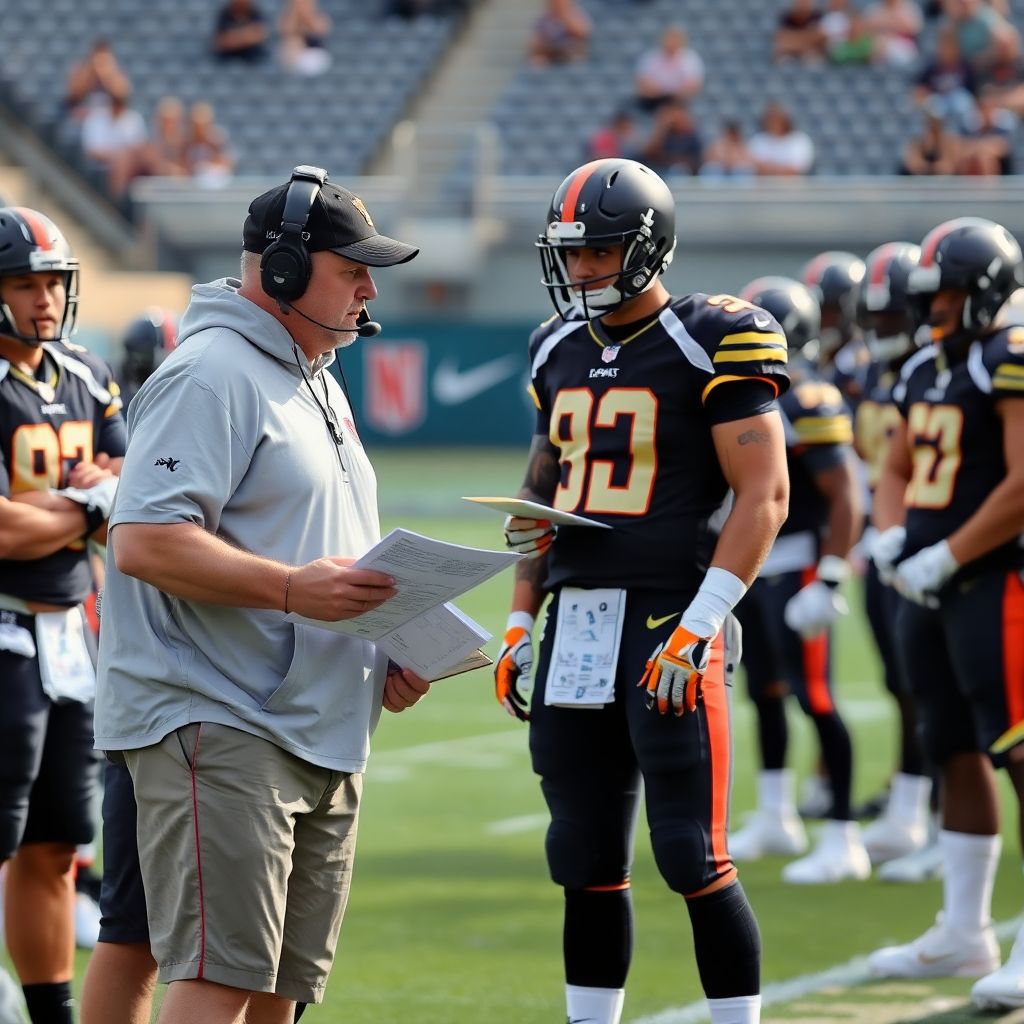
Rookie sensations transform NFL teams when coaches aggressively define roles, tailor schemes, and track clear performance metrics over the first 6-8 weeks. Use limited, high-leverage packages, scripted touches, and tight feedback loops. Protect them with smart snap counts, veteran mentorship, and simple, repeatable assignments that expand only after they prove consistent execution.
Rookie Impact Snapshot
- Start with 2-3 clearly defined roles where the rookie’s college strengths directly match your scheme.
- Grade every snap using a compact metric set: usage, efficiency, decision quality, and assignment reliability.
- Install a trimmed, rookie-specific sub-playbook with simple progression rules and heavy repetition.
- Pair each rookie with a veteran “mirror” for cultural integration, film habits, and on-field communication.
- Use pre-planned snap windows and packages to manage fatigue while still showcasing high-impact traits.
- Iterate weekly: expand responsibilities only when the rookie sustains mental and physical execution.
Evaluating Fit: How Rookies Complement Existing Offensive and Defensive Schemes
Effective rookie deployment starts with ruthless clarity on fit: what they already do at an NFL level and where they stress or clean up your current scheme. You are not building a system around a first-year player; you are sharpening what you already do well.
When a rookie-centric plan makes sense
- You have a clear, unfilled role (slot WR, nickel, sub-rusher, coverage back) and a rookie whose college tape shows repeated success in that exact job.
- Your coordinator is willing to create a small, rookie-specific package (5-15 plays or calls) that fits existing terminology.
- The depth chart above the rookie is competent but not special, so incremental gains matter more than veteran politics.
- The rookie has stable practice habits: consistent attendance, conditioning, and basic assignment discipline.
When you should avoid leaning heavily on a rookie
- Your system demands heavy pre-snap adjustments, option routes, or complex pattern-matching that even veterans struggle to master.
- The rookie is already battling soft-tissue issues, making high-snap workloads and constant sudden changes risky.
- Locker-room leadership is fragile, and benching an established starter for a rookie would fracture trust.
- Your scheme identity would need a full reset to feature the rookie’s strengths, which is almost never worth it in year one.
Use this reality check before you are swayed by hype, fantasy football rankings NFL rookies lists, or public narratives around nfl rookie of the year odds.
Quantifying Contribution: Key Metrics to Track Early-Season Performance
You cannot manage what you do not measure. Track a tight set of metrics that translate directly to decisions about usage, role size, and in-game trust.
Core offensive rookie metrics
- Usage and involvement: snaps by package, targets/touches, motion/shift assignments, red-zone participation.
- Efficiency: yards per route run, success rate on runs/targets, EPA involvement if you have analytics support.
- Decision quality: correct reads vs. coverage, option-route choices, spacing and timing in route concepts.
- Negative plays: drops, missed protections, penalties, pre-snap alignment errors.
Core defensive rookie metrics
- Usage and alignment: snaps by front/coverage, box vs. deep reps, man vs. zone responsibilities.
- Impact: stops near the line, pressure rate, ball disruptions (PBUs, forced fumbles, tipped passes).
- Eyes and leverage: correct fits, leverage integrity, pursuit angles, missed tackle frequency and location.
- Mental reliability: busted coverages, late checks, miscommunication with safeties and linebackers.
Simple weekly tracking template
Use a lightweight table after each game to decide whether to expand or shrink the rookie’s role.
| Metric | Week 1 | Week 2 | Week 3 | Trend / Note |
|---|---|---|---|---|
| Snaps (base / sub) | Is workload rising too fast? | |||
| Design touches / targets | More touches only if efficiency holds. | |||
| Assignment grade (% correct) | Require stability before new installs. | |||
| Explosive plays created/allowed | Keep leveraging repeatable explosives. | |||
| Penalties / mental errors | High count = trim packages. | |||
| Physical readiness (staff notes) | Any soft-tissue warning flags? |
These same metrics also inform external narratives like betting lines on nfl rookie performances, but your focus is internal: sustainable execution, not short-term spikes that excite markets or drive nfl rookie cards investment 2024 speculation.
Coaching Interventions That Speed Transition from College to Pro
-
Lock in a narrow role definition
Define 1-2 primary jobs for the rookie (e.g., third-down back and two-minute back, or nickel-only defender). Write them out and share with the player, position coach, and coordinator so expectations are aligned.
-
Build a trimmed rookie sub-playbook
Create a small call sheet of concepts the rookie already owns from college, translated into your language. Reuse these calls in multiple formations instead of adding entirely new concepts.
- Limit to a handful of runs/quick-game concepts for offensive rookies.
- Limit to a few coverages/pressures with consistent rules for defensive rookies.
-
Install simple decision rules
Turn complex reads into simple if/then rules the rookie can recite. Focus on first key, eyes, and leverage landmarks. Review these rules in every individual period before live reps.
-
Structure practice to over-rep “their” situations
Script daily practice periods that overweight the exact downs, distances, and formations where the rookie will play. Rotate them in early in team and 7-on-7 to build confidence before fatigue sets in.
- Use high-rep, low-contact formats to sharpen decision speed safely.
- Immediately tag clips for next-day cutups with the position coach.
-
Pair with a veteran mentor and film routine
Assign a veteran at the same position as the rookie’s “mirror.” Require joint film sessions focused on opponent tendencies and post-practice corrections. Keep sessions short, focused, and recurring.
-
Plan in-game guardrails and adjustments
Before kickoff, decide clear triggers for pulling back or expanding the rookie’s role (e.g., back-to-back mental errors or dominant matchup success). Communicate those triggers to the player so changes are not a surprise.
-
Run a weekly feedback and goal cycle
Each Monday, review 5-10 clips with the rookie: 2-3 best, 2-3 worst, and 2-3 “almost” plays. Set one technical and one mental goal for the coming week, tied to snap count or role expansion.
Fast-Track Mode: Condensed Rookie Acceleration Plan
- Give the rookie one primary role and a tiny, clearly labeled call sheet.
- Overload practice with their exact game situations at controlled speed.
- Pair them with a veteran and keep daily film sessions short and targeted.
- Use simple pre-set triggers to expand or reduce their game-day workload.
- Review, grade, and reset goals every week before adding new responsibilities.
Cultural Integration: Fast-Tracking Rookies into Leadership and Locker-Room Roles
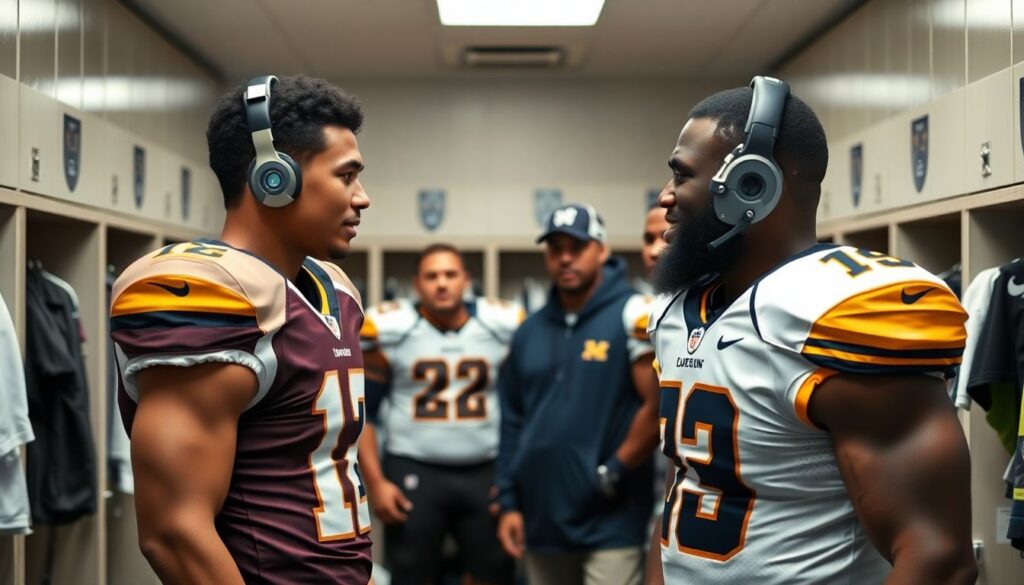
Technical development stalls if the rookie never truly joins the locker room. Use this checklist to gauge cultural integration and early leadership readiness.
- The rookie consistently arrives on time, prepared, and appropriately engaged in meetings.
- Veterans at the position group willingly sit with the rookie, answer questions, and vouch for their work ethic.
- Position coaches report that the rookie asks specific, detail-driven questions instead of generic ones.
- The rookie handles corrections and hard coaching without visible sulking, blame-shifting, or withdrawal.
- Teammates reference the rookie positively in informal settings (locker room, weight room, travel).
- The rookie contributes on special teams or scout team without complaining about “starter” status.
- Captains are comfortable pairing the rookie with media or community obligations when appropriate.
- The rookie demonstrates basic self-management: nutrition, sleep habits, and off-day routines are stable.
- There are no recurring issues with social media distractions, public comments, or entitlement behaviors.
- In small-group settings, the rookie occasionally leads by example or voice without overstepping veterans.
When this checklist trends positive, elevating responsibilities becomes safer, both for on-field performance and for team chemistry.
Load Management: Balancing Snap Counts, Conditioning and Injury Prevention
Rookies hitting a “wall” is usually a planning failure, not an inevitability. Avoid these common load-management mistakes.
- Jumping from limited preseason reps to full starter snaps in Week 1 without a gradual ramp-up.
- Ignoring cumulative stress from special teams, travel, and media demands when setting weekly workloads.
- Overemphasizing weight-room gains during the season instead of prioritizing recovery and movement quality.
- Failing to coordinate between strength staff, athletic training, and position coaches on daily practice volume.
- Keeping the rookie in long drives or series just to “see more” instead of sticking to pre-game snap windows.
- Using live, full-contact periods in practice for skills that can be sharpened with controlled, low-contact drills.
- Expanding the rookie’s roles on offense, defense, and multiple special teams units simultaneously.
- Dismissing early soft-tissue tightness as “normal soreness” instead of a cue to adjust workload.
- Failing to educate the rookie on sleep, hydration, and nutrition as performance variables they can control.
Disciplined load management protects long-term impact and keeps the rookie available for high-leverage moments, which often matter more than chasing early-season volume that might impress fantasy football rankings NFL rookies but burns out the player.
Tactical Case Studies: First-Year Breakouts and Replicable Playbook Adjustments
Different roster and scheme contexts call for different ways to unlock rookie upside. Consider these alternative approaches and when they are appropriate.
Package Specialist: Sub-Package Weapon
Use the rookie in a narrow, high-leverage role (slot, nickel, third-down rusher) where their best traits win fast. This works when your base starters are solid, but you need juice in specific situations like two-minute or third-and-long.
Constraint Player: Forcing Defensive Adjustments
Design a few plays each week that force opponents to honor the rookie’s speed, size, or ball skills, even if volume is low. Useful when defenses overplay your established stars, and you simply need one more coverage or gap stressor.
Red-Zone and Short-Yardage Specialist
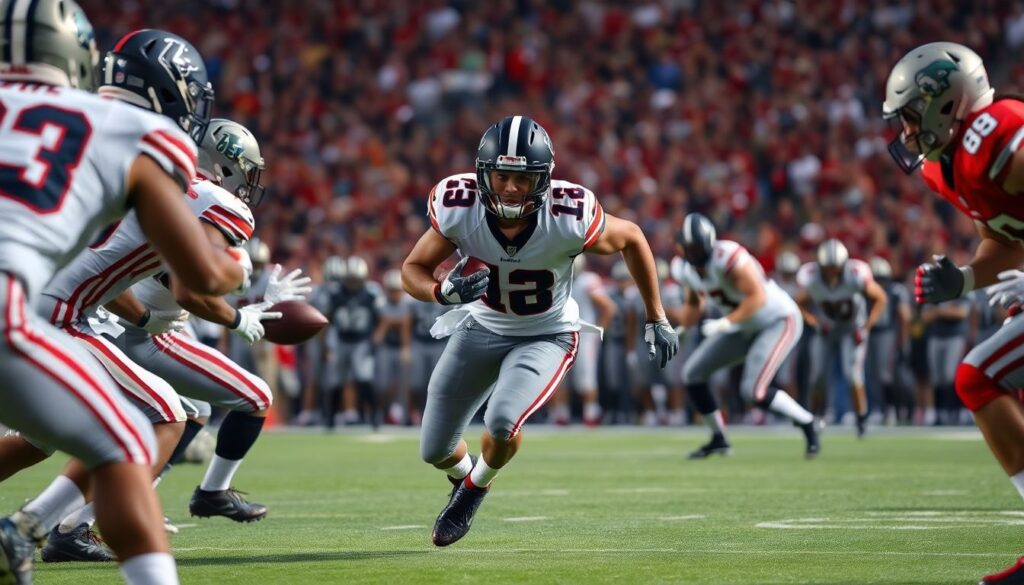
Deploy the rookie in condensed-field and short-yardage situations where reads are simpler and physical tools are magnified. Ideal for big-bodied receivers, backs with good contact balance, or defensive players with explosive first steps.
Gradual Every-Down Starter Path
Start with a limited sub-package role and a small snap share, then intentionally add series and situations every two to three weeks as metrics and mental grades justify it. This is the safest route when long-term franchise cornerstone potential is obvious.
External excitement around best nfl rookie jerseys to buy or buzz-driven nfl rookie of the year odds should not drive which path you choose. Let tape, metrics, and internal readiness dictate the deployment, even as fans and collectors chase nfl rookie cards investment 2024 narratives.
Practical Answers to Common Concerns About Deploying First-Year Players
How many snaps should a rookie play early in the season?
Start with a workload that they can execute cleanly, then adjust based on weekly grading. If mental errors or conditioning issues rise, trim snaps and streamline packages. If execution stays clean and consistent, add situations before you add raw volume.
How do I know when a rookie is ready to take a veteran’s job?
When the rookie consistently grades higher on assignment, effort, and impact over several games and the locker-room response remains stable, you have your answer. Make the change based on tape and trust, not external noise or betting lines on nfl rookie performances.
What if a rookie’s confidence dips after a bad game?
Cut the playbook back to their safest concepts, script early-game touches or reps you expect them to win, and highlight a few positive clips in meetings. The goal is to rebuild trust in their process, not to prove a point with punishment.
Should rookies be on every special team to maximize value?
Only if their body and assignment load can handle it. Prioritize 1-2 core units aligned with their future role, then add or remove teams as sports science and performance data indicate. Overloading creates injury and mental fatigue risk.
How much freedom should rookies have to improvise?

Very little at first. Define tight rules and acceptable adjustments, then expand freedom only after the rookie shows they can consistently win within structure. Early improvisation usually creates more busts than highlight plays.
Can hype from fans or merchandise affect rookie management?
Yes, if you let it. Interest in best nfl rookie jerseys to buy and media attention can create pressure to overplay a rookie. Protect them by communicating clearly that role size is earned on tape and in practice, not in the marketplace.