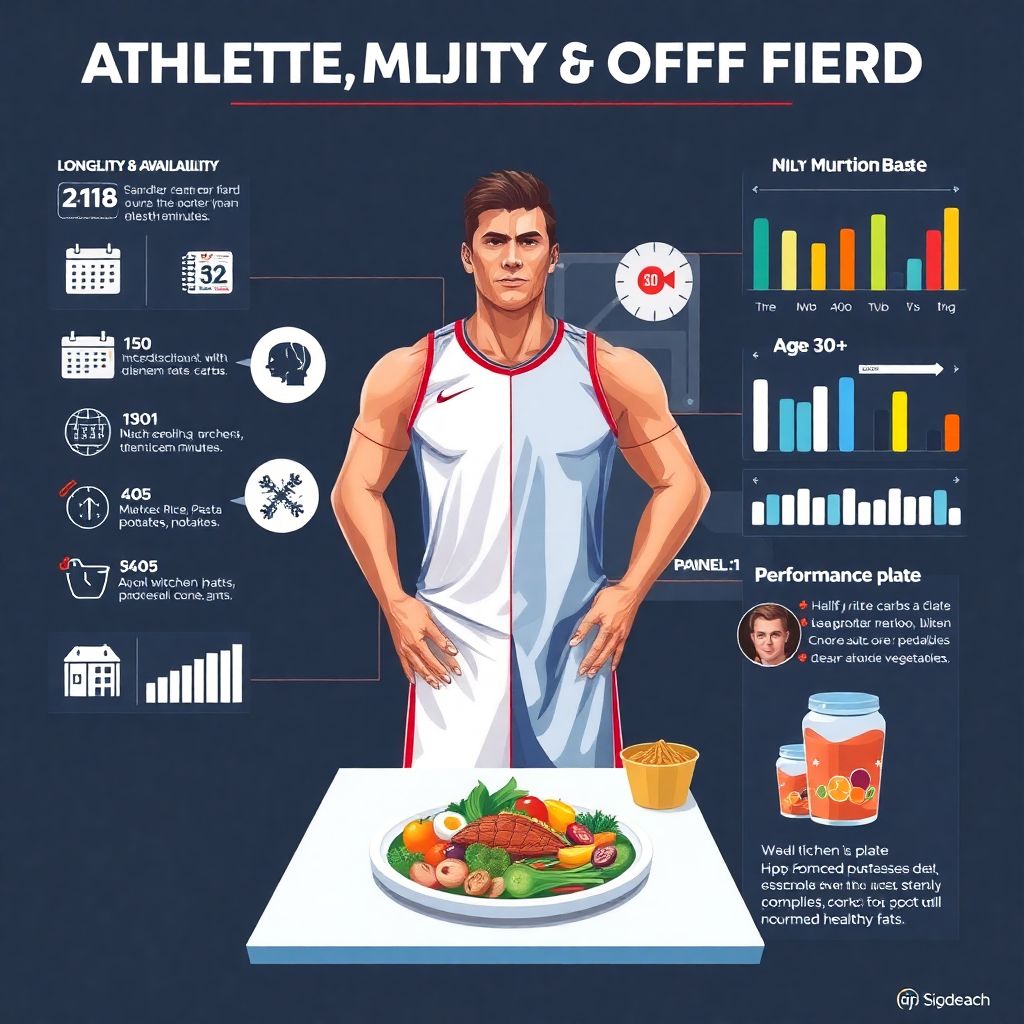
Off the field is where careers are quietly won or lost. What you eat, how you recover and how you plan your weeks adds up to extra seasons on the field—or to an early exit. Below is a clear, step‑by‑step guide to turning “lifestyle stuff” into a real performance plan, using up‑to‑date science (data from roughly 2022–2024, the latest fully reported years).
—
Step 1. Redefine Longevity: More Than “Not Getting Injured”
Longevity isn’t just about avoiding major injuries. Sports scientists now talk about “availability” and “durability”: how many sessions and games you’re actually fit to play. In elite football and basketball, tracking data from 2022–2024 shows that players who miss fewer than 10 training sessions per season due to minor issues log 15–20% more match minutes across three years and maintain performance metrics (speed, power, efficiency) much better after age 30. So your real goal is to keep your baseline high and your dips short. Nutrition, recovery and planning are the levers you control every single day, even when training volume or coaching style changes.
—
Step 2. Build a Daily Nutrition Base Before Chasing Magic Hacks
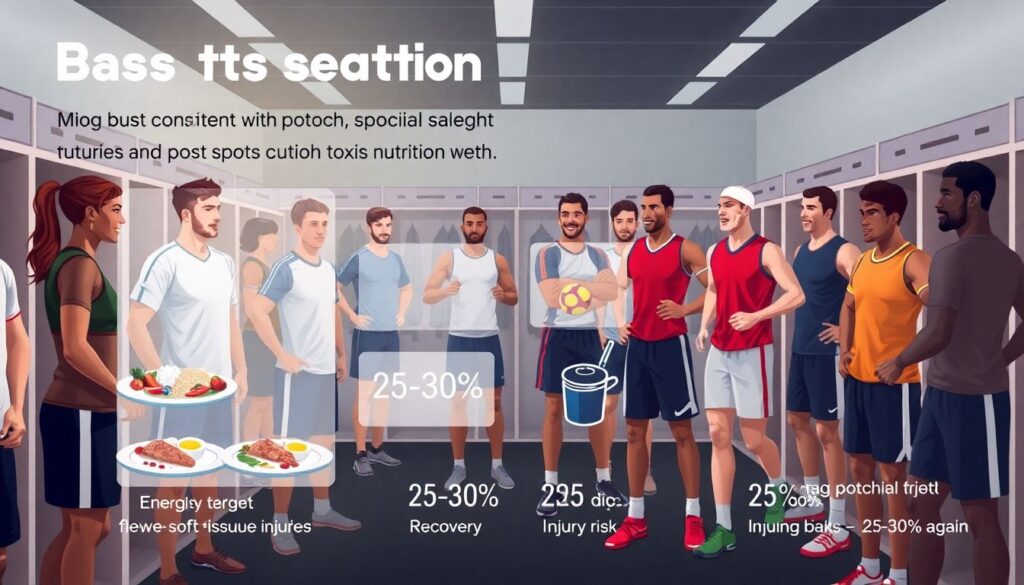
Before thinking about sports nutrition for athletes in a fancy, high‑tech way, you need a boring, consistent base. Research from 2022–2024 in team sports keeps showing the same pattern: players who hit basic energy and protein targets have 25–30% fewer soft‑tissue injuries and recover match running loads faster. As a simple rule, aim for roughly 1.6–2.2 g of protein per kg of bodyweight and enough total calories to maintain stable body weight across a season, not just on game day. Spread food across 3 main meals and 2–3 snacks. Once that’s under control for at least 4–6 weeks, only then does it make sense to tweak timing, macros and supplements.
—
Step 3. Build Your Performance Plate (Easy Template)
Think of each plate as a dial you adjust based on how hard the day is. On heavy training or game days, about half the plate should be carbs (rice, pasta, potatoes, fruit), a quarter lean protein and a quarter colorful veg, plus a thumb of healthy fats. On light or rest days, slide it toward more vegetables and protein and a bit fewer starchy carbs. Studies in 2023 on soccer and rugby squads showed that players who matched carb intake to training load maintained sprint repeatability 10–15% better late in the season. That’s not about extreme diets; it’s about not under‑fueling tough days or overeating on days when you barely move.
—
Step 4. Common Nutrition Mistakes (and How to Dodge Them)
Even serious players fall into the same traps, especially when trying to “lean out” or impress coaches in pre‑season. Under‑fueling and low carbs are now recognized as major risk factors for overuse injuries and hormonal issues. Between 2022 and 2024, multiple studies on Relative Energy Deficiency in Sport (RED‑S) showed that athletes with chronic low energy availability had up to a 4‑fold higher risk of stress fractures and persistent fatigue. Another mistake is copying professional athlete meal plans and coaching you find online without context; those are tailored to specific bodies, workloads and even genetics. Use them for inspiration, not as a rigid script.
– Red flag signs you’re under‑fueled: morning heart rate going up, poor sleep, irritability, constant soreness, stalled strength.
– Better approach: adjust in small 200–300 kcal steps and track performance, mood and bodyweight for 2–3 weeks.
—
Step 5. Supplements: Support, Not a Shortcut
When people look for the best supplements for athletic performance and recovery, they often skip the boring part: blood tests, overall diet and sleep. Data from 2022–2024 still shows only a few supplements with strong evidence for most field and court sports: creatine (strength, repeat sprints), caffeine (acute performance), beta‑alanine (high‑intensity efforts), and vitamin D/iron when you’re actually deficient. Surveys of elite athletes in Europe and the US since 2022 report that 60–70% take at least five products, yet only a minority have documented needs. That’s wasted money at best and anti‑doping risk at worst. Start with health markers, then add 1–2 proven options, not a whole shelf.
—
Step 6. Rookie Supplement Errors to Avoid
The two biggest beginner mistakes are stacking everything at once and ignoring quality control. Blending multiple pre‑workouts, “pump” products and recovery mixes makes it impossible to know what works and can push caffeine intake into unsafe territory; there are case reports from 2022–2023 of arrhythmias and severe anxiety from excessive mixes in young athletes. A simple rule is: change one thing at a time for at least 2–3 weeks. Also, always choose third‑party tested products (NSF Certified for Sport, Informed Sport, etc.), since supplement contamination remains one of the top causes of accidental doping violations globally. If your club has a dietitian, run everything by them first.
– Start with health: blood work, vitamin D, iron, B12 if needed.
– Then performance basics: creatine and caffeine, if appropriate.
– Skip proprietary blends with mysterious “matrix” ingredients.
—
Step 7. Recovery as a Training Block, Not an Afterthought
Over the last three years, coaches have become much more aggressive about structured recovery. In European football and NBA data from 2022–2024, teams that implemented formal recovery protocols (sleep targets, hydration checks, and standardized cooldowns) reduced soft‑tissue injury rates by around 20–30% compared to their own numbers 3–5 years earlier. This isn’t magic gear; it’s discipline. Think of recovery as another session: it has timing, content, and progression. Right after training or games, your job is to bring heart rate down, refuel, rehydrate and relax the nervous system within about 60–90 minutes, not just scroll on your phone and hope for the best.
—
Step 8. Choosing Recovery Tools That Actually Help

The market for player recovery tools and equipment has exploded: boots, massage guns, cold tubs, red light devices. The evidence since about 2022 is pretty consistent: these tools can help a little, but they’re way less powerful than sleep, nutrition and load management. Cold water immersion, for example, can reduce next‑day soreness by 15–20%, but it doesn’t fix chronic overload or bad scheduling. Compression gear might slightly improve perceived recovery, but it doesn’t replace active cooldowns. Treat gadgets as “toppings” on a solid base: prioritize 8–9 hours of high‑quality sleep, a proper cooldown, and post‑training nutrition first. Only then decide which 1–2 tools are worth your budget.
—
Step 9. Sleep: The Cheapest Longevity Tool You Have
Sleep is where a massive chunk of adaptation happens. Recent data (2022–2024) in team sports shows that athletes consistently sleeping under seven hours had 1.5–2 times higher odds of injury and missed significantly more training sessions. Conversely, players who improved sleep duration and quality mid‑season saw meaningful gains in sprint performance and decision‑making speed. For longevity, treat sleep like an important session: consistent bedtime and wake‑time, a 30–45 minute wind‑down without screens, and a cool, dark room. When travel or late games interfere, plan short 20‑minute naps earlier in the day rather than crashing for hours and wrecking your night rhythm.
—
Step 10. Longevity Training: Planning Weeks and Seasons
Longevity training programs for athletes focus less on “killer sessions” and more on long‑term patterns: workload spikes, strength maintenance, and chronic stress. Data from 2022–2024 on GPS and wellness tracking shows that sudden weekly load jumps of more than 30% are strongly linked to spikes in soft‑tissue injury. The practical takeaway: ramp volume and intensity gradually over 2–3 weeks; don’t go from off‑season to match‑level intensity overnight. Keep at least two dedicated strength sessions most weeks in‑season, even if shorter; they’re your armor. Finally, build “deload” weeks every 6–8 weeks where total load drops 20–30% to let your body catch up and adapt.
—
Step 11. A Simple Weekly Structure for Beginners
If you’re just starting to think like a pro, keep your week simple and repeatable instead of chasing every new trend. Here’s a basic idea you can adapt around your sport schedule:
– 2 days: main field/court sessions + short strength work.
– 2 days: lighter technical or conditioning work + mobility.
– 1 day: full strength focus (heavier, compound lifts).
– 2 days: genuine low‑intensity or rest with active recovery.
Anchor meals and sleep around this pattern, and only then plug in details like carb timing or your chosen recovery tools. For younger or amateur players, this structure alone—done consistently over 6–12 months—often gives bigger gains than any single “advanced” method because it keeps you healthy enough to train steadily.
—
Step 12. Turning Knowledge Into a Personal System
The science is useful only if you turn it into routine. Over the last three years, the most successful pros have increasingly relied on integrated support—strength coaches, physios, dietitians, psychologists—rather than one‑off “fixes.” That’s essentially what professional athlete meal plans and coaching try to package: individualized, boring consistency. You may not have a full staff, but you can still build your own mini‑team: a trusted doctor for blood work, a qualified nutritionist for 2–3 check‑ins a year, and a coach who respects rest as much as grind. Track three things weekly—sleep, training load, and how you feel. Adjust slowly, stay patient, and let the seasons stack up in your favor.