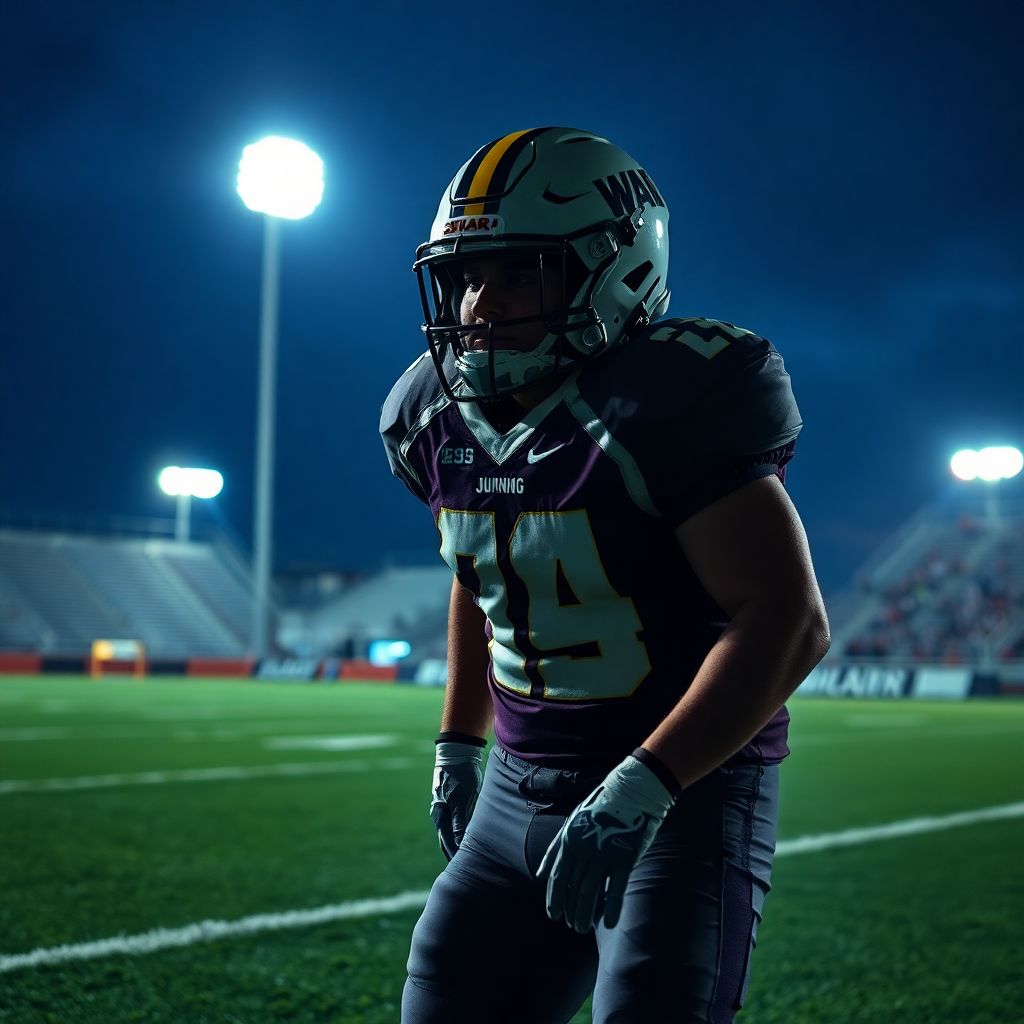
The path from Friday night lights to an NFL roster is a structured, multi‑year process: honest skill assessment, disciplined training and nutrition, academic eligibility, a focused recruiting strategy, then professional‑level draft prep and rookie transition planning. Follow these steps methodically and adjust annually based on feedback, measurables, and performance film.
Critical Milestones from Friday Night Performance to NFL Roster
- Clarify whether your physical traits, competitive level, and film align with realistic college and NFL projections.
- Lock in a year‑by‑year strength, speed, and nutrition plan aligned with position demands.
- Stay NCAA/NAIA eligible with intentional course choices, test planning, and GPA management.
- Use targeted exposure: camps, showcases, and direct communication with coaches and recruiters.
- Choose appropriate nfl draft preparation programs for college athletes and manage pre‑draft testing details.
- Plan financially and mentally for the rookie transition, contracts, and long‑term health and career management.
Objective Self-Assessment: Skills, Film, and Measurables
This process is for athletes already starting or heavily contributing on varsity, who can commit to multi‑year work on and off the field. It is not ideal if you are unwilling to prioritize academics, recovery, and coachable habits, or if you ignore medical advice regarding serious injuries.
- Clarify your position profile – Decide your primary and secondary positions (e.g., outside WR vs. slot, guard vs. tackle). College and NFL evaluators want a clear picture of where you fit.
- Record baseline measurables safely – With a coach or trainer present, test your 40‑yard dash, short shuttle, vertical jump, and position‑specific drills after a proper warm‑up.
- Evaluate varsity game film objectively – Confirm you have multiple games of full‑speed varsity film showing consistency, not just highlights. Look for play speed, technique, effort, and football IQ.
- Get position‑specific feedback – Ask honest coaches or trainers whether your size, movement, and competitiveness project to college and potentially NFL levels.
- Decide your current target level – Based on film and measurables, set a realistic target: DIII/NAIA, FCS, or FBS. The NFL is almost always built on becoming a top producer at some college level first.
Use that assessment to guide how to get noticed by college football scouts and recruiters and to refine any high school football recruiting tips for nfl prospects you hear from coaches, trainers, or online resources.
Designing a Year-by-Year Training and Nutrition Plan
To follow the best football training programs for high school players safely, build your plan around supervised lifting, field work, and recovery. You will need:
- Access to a strength and conditioning coach or certified trainer, at least periodically.
- A safe weight room with racks, platforms, dumbbells, bands, and medicine balls.
- A field or turf space for speed, agility, and position‑specific drills.
- Guidance from a sports‑aware nutrition professional or team nutrition resources.
- Regular medical and physical evaluations, especially after injuries or rapid workload changes.
Year‑by‑year emphasis (high‑level guide):
- Freshman year focus
- Learn safe lifting technique: squat, hinge, press, pull, and core work under supervision.
- Prioritize mobility, bodyweight strength, and general athleticism over heavy max testing.
- Establish consistent sleep and basic fueling habits (regular meals, hydration).
- Sophomore year focus
- Introduce structured strength phases (off‑season, pre‑season, in‑season) with progressive overload.
- Begin basic speed development: acceleration mechanics, short sprints, and change of direction.
- Track body weight, energy, and soreness to avoid overtraining.
- Junior year focus
- Refine position‑specific demands (e.g., repeated sprints for WR/DB, heavy power work for OL/DL).
- Fine‑tune pre‑camp and in‑season conditioning so you can sustain game intensity safely.
- Dial in nutrition around practices, games, and lift sessions for recovery.
- Senior year focus
- Maintain strength and speed while staying healthy; avoid chasing risky last‑minute jumps in maxes.
- Use training to support your best game film rather than burn yourself out before key games.
- Begin integrating habits you will need at the college level: early workouts, film before practice, and consistent treatment work.
Academic Eligibility, Compliance, and Smart Course Planning
Before diving into the step‑by‑step, confirm these essentials:
- Your guidance counselor understands football scholarships usa high school players requirements and NCAA/NAIA rules.
- You have access to your unofficial transcript and know your current core‑course GPA.
- Your family is aware of registration deadlines and test dates.
- You have a safe, quiet place for regular homework and study time.
- Map eligibility rules with your counselor – Review NCAA and NAIA core‑course, GPA, and standardized test expectations for your graduation year. Confirm which classes at your school count as approved core courses.
- Plan a four‑year course schedule – Build a semester‑by‑semester plan that hits all core requirements on time and leaves room for retakes if needed.
- Balance challenging courses with ones where you can realistically earn solid grades.
- Avoid piling multiple difficult classes into in‑season semesters when possible.
- Track grades every grading period – Do not wait until the end of the year.
- Meet teachers early when grades slip; ask about tutoring, office hours, or re‑do policies.
- Communicate with your coach so academic support can be aligned with your practice schedule.
- Schedule standardized tests strategically – Register for SAT/ACT (or other required exams) in time to retake them if your first scores do not match eligibility guidelines.
- Avoid scheduling tests right after long road games or tournament weekends when possible.
- Use school or online resources for test prep in short, regular sessions.
- Register with the eligibility center on time – Complete online registration, send transcripts and test scores, and keep log‑ins and ID numbers organized.
- Double‑check that your name, graduation year, and school information are consistent.
- Update your profile as you receive new offers or change contact details.
- Review amateurism and compliance rules – Understand what you may and may not accept in terms of benefits, gifts, and representation before college.
- Ask your coach or compliance contact whenever you are unsure about a specific situation.
- Keep simple written records of offers, visits, and communication with programs.
Recruiting Strategy: Camps, Coaches, and Exposure Playbook
Use this checklist to evaluate whether your recruiting plan is on track and aligned with safe, realistic steps:
- You have a current, concise highlight reel plus at least one full game film easily shareable with coaches.
- Your email, phone, and social media profiles are professional and clearly list your position, height, weight, school, and grad year.
- You and your coach have agreed on a realistic list of target programs at multiple levels (FBS, FCS, DII, DIII, NAIA).
- You choose camps where the actual coaching staffs from your target schools will be present, not just generic events.
- You communicate respectfully with college staffs, using direct messages and emails that show you know their program.
- You apply high school football recruiting tips for nfl prospects carefully, prioritizing verified combines, school camps, and honest coach recommendations over hype.
- You monitor interest: camp feedback, returned messages, and invites to junior days or visits are logged in a simple spreadsheet.
- Your off‑season schedule balances camps and showcases with enough time for safe training, recovery, and family commitments.
- You understand that how to get noticed by college football scouts and recruiters depends more on varsity film and grades than on social media followers.
- You and your family discuss travel costs and time away from school before committing to distant camps or visits.
Pre-Draft Preparation: Combines, Pro Days, and Agent Selection
Once you reach the college level and are evaluating nfl draft preparation programs for college athletes, avoid these common and often risky mistakes:
- Choosing a training facility based only on marketing or big names, instead of evaluating coaching quality, medical support, and individualized plans.
- Ignoring position‑specific combine prep (starts, shuttle transitions, position drills) and focusing only on weight‑room numbers.
- Over‑testing 40‑yard dashes and jumps at full intensity without adequate rest, increasing injury risk before key evaluation days.
- Neglecting interview and board work preparation, even though teams heavily weigh communication, football IQ, and character.
- Selecting an agent without checking references, contract terms, and their experience with your position and draft range.
- Allowing outside voices to push you into the draft early when an extra year of development and film might help you more.
- Failing to coordinate between college strength staff, outside trainers, and medical professionals, leading to mixed messages and over‑training.
- Ignoring recovery basics (sleep, nutrition, soft‑tissue care) while dramatically increasing training and travel loads.
- Sharing combine or Pro Day plans on social media in ways that reveal injuries or preparation weaknesses to teams.
Rookie Transition: Contracts, Playbook Assimilation, and Career Longevity

If the NFL is not immediately available or you want to protect long‑term options, consider these alternatives and when they make sense:
- Focus on a complete college career – Ideal when you have remaining eligibility, can elevate your role, and may boost your chances with another year or two of high‑level film and leadership experience.
- Pursue other professional leagues – Reasonable if you are physically ready and a reputable league offers a stable environment, good coaching, and pathways back to the NFL.
- Leverage your degree and football network – Smart if you have persistent injuries, limited playing opportunities, or strong interests in coaching, scouting, sports performance, or another profession.
- Hybrid path: coaching and training while staying ready – Useful when you are on the edge of opportunities (tryouts, workouts) and want to stay connected to the game while maintaining income and structure.
Practical Concerns and Quick Clarifications for Aspiring Pros
When should a serious prospect start planning for college and NFL possibilities?
Use freshman and sophomore years to build habits, grades, and safe strength foundations. By junior year, your focus should shift to targeted recruiting, stronger film, and aligning your academics and training with realistic college and long‑term professional goals.
Do I need a private trainer to reach the NFL?
No, but you do need structured, safe programming and consistent coaching. Many athletes reach college and the NFL primarily through high‑quality school strength programs, disciplined habits, and a smart use of the best football training programs for high school players that are accessible and supervised.
How important are grades compared to athletic talent?
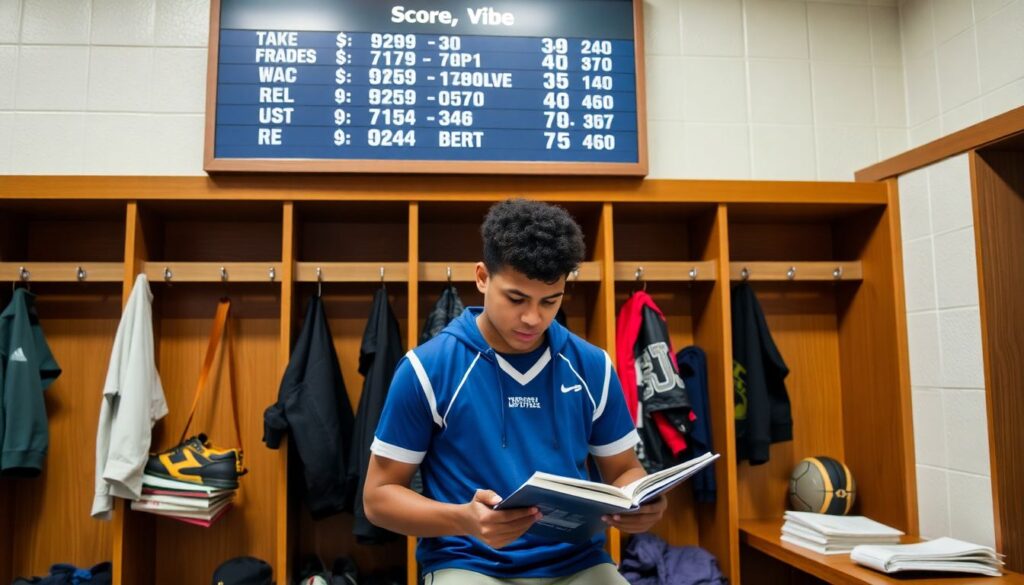
Without academic eligibility, your talent will not matter for scholarship offers or roster spots. Grades influence admissions, playing options, and how coaches view your reliability and discipline, all of which impact long‑term chances of becoming a pro.
Can I still get recruited if I am from a small school?
Yes, but you must be proactive. Strong varsity film, verified measurables, communication with coaches, and attendance at well‑chosen camps and showcases can overcome location. Your approach to how to get noticed by college football scouts and recruiters matters more than your school size.
Is a scholarship required to eventually reach the NFL?
No. Walk‑ons and players from all scholarship levels have made it to the league. Still, understanding football scholarships usa high school players requirements can expand your opportunities and reduce financial pressure while you develop in college.
How do I avoid burnout or overtraining as I chase this goal?
Periodize your year with built‑in lighter weeks, respect pain signals, and listen to medical advice. Protect sleep and nutrition the same way you protect practice time, and reduce event commitments if your body or grades start to suffer.
What if I suffer a major injury in high school or college?
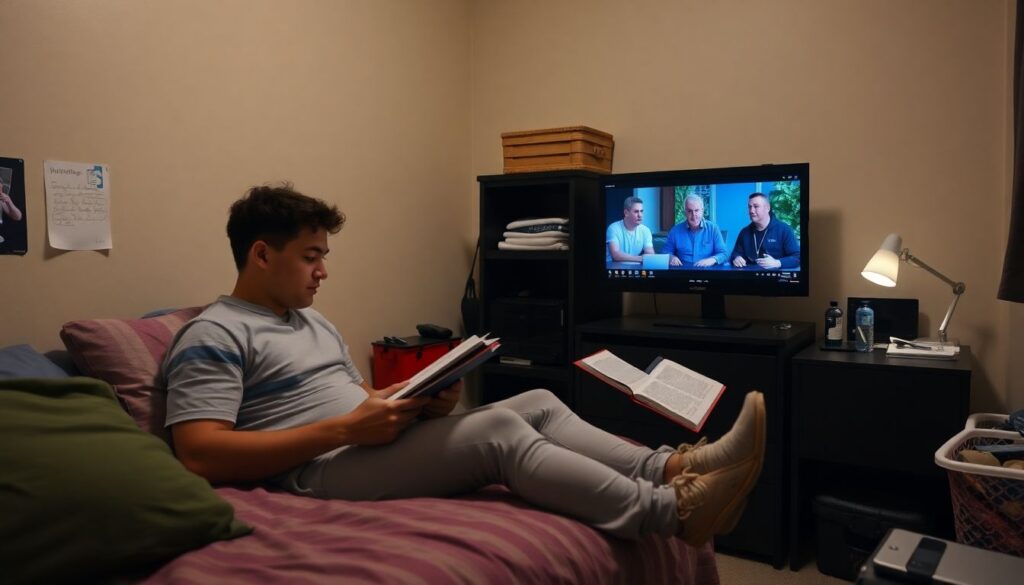
Follow medical guidance first and avoid rushing the timeline just to reach a camp or showcase. Communicate openly with coaches and, when possible, use the recovery period to grow your film study, playbook knowledge, and academic standing.