
The journey from Friday nights to the big stage follows a clear path: dominate high school, get evaluated at the right events, execute a smart college football recruiting process, develop a college-ready body and mindset, maximize your role in college, then prepare professionally with safe, structured pro prep focused on film, measurables, and consistency.
Essential Milestones for Rapid Progression
- Earn consistent varsity reps, strong game film, and trusted coach recommendations in high school.
- Use targeted camps and combines to verify measurables and get seen by appropriate college levels.
- Follow a structured year‑round training plan building speed, strength, and position skills.
- Run a disciplined recruiting strategy with realistic school targets and organized communication.
- Arrive at college ready to contribute on special teams, master the playbook, and accept coaching.
- Build a reliable game‑day routine, performance metrics, and media habits that travel to the next level.
- Approach agents, draft prep, and Pro Day with clear goals, safe training, and honest self‑assessment.
Evaluating and Showcasing Talent at High School Camps and Combines
High school camps and combines suit athletes who already contribute on varsity, maintain solid academics, and can safely handle intense competition and testing. They are most useful once you have basic technique, some game film, and realistic feedback from coaches on your likely college level.
It may not be worth investing in multiple events if you are still learning the game, have not earned varsity reps, or lack the conditioning to sprint, jump, and change direction safely. In those cases, start with a school strength program, position coaching, and local scrimmages before chasing exposure.
Use events that connect directly to the college football recruiting process:
- School‑run prospect camps where the staff actively recruits your position.
- Reputable regional combines that verify height, weight, speed, and agility metrics.
- Position‑specific clinics where coaches actually teach, not just test.
Prepare for these showcases with simple, safe habits:
- Practice testing drills (40‑yard dash, pro agility, broad/vertical jump) twice a week, after a full warm‑up.
- Record times or distances to track progress instead of obsessing over others’ results.
- Use light, submaximal sprint efforts and mobility the day before; avoid heavy lifting and new drills right before events.
Building a College-Ready Physical and Mental Profile
To progress from Friday nights to the big stage, you need a complete profile: physical, technical, mental, academic, and character‑based. This is where disciplined work and smart support systems matter more than hype.
What you will need:
- Structured training access
- A safe weight room with supervision from a coach or trained adult.
- Field access for sprints, change‑of‑direction drills, and position work.
- Optional: quality college football training programs for athletes (printed or online), cleared by your coach.
- Essential tools and equipment
- Properly fitted cleats, mouthguard, and practice gear.
- Foam roller or simple mobility tools for recovery.
- Notebook or digital log to track lifts, speed times, and bodyweight.
- Health and recovery framework
- Regular medical checkups and honest injury reporting.
- Basic nutrition discipline: consistent meals, hydration, and limited junk food.
- Sleep schedule aiming for regular bed and wake times.
- Mental and academic readiness
- Study habits that keep you eligible and attractive academically.
- Routine for film study and playbook review.
- Trusted adults (coaches, counselors, parents) to help with decisions and pressure.
- Exposure and information resources
- Clear understanding of how to get a college football scholarship for your level and position.
- Short highlight film and full‑game links saved and labeled.
- Knowledge of the best colleges for football scholarships that actually match your academics and talent.
Recruitment Strategy: Targeting Programs and Managing Communication
- Clarify your realistic competitive level
Ask your head coach and position coach where you truly fit (Power 5, Group of 5, FCS, Division II, Division III, NAIA). Compare your size, speed, and production to current college rosters at your position. - Build a focused school list, not a fantasy list
Aim for a balanced target list:- Programs where your measurables match or slightly trail current players.
- Schools you would attend even without football.
- A mix of academic, geographic, and financial fits.
- Create and refine your recruiting film package
Cut a short highlight (3-5 minutes) that shows your best traits early: speed, physicality, ball skills, or football IQ. Include at least one or two full games for coaches who want full context. - Launch organized outreach to college staffs
This is the core of learning how to get noticed by college football scouts and position coaches:- Send concise emails with your info, transcript, film links, and coach contacts.
- Use subject lines that include your name, position, class year, and school.
- Share the same information with recruiting coordinators on verified social media.
- Leverage your high school coach in the college football recruiting process
Provide your coach with your target list, updated film, and academic information. Politely ask them to vouch for you with programs that fit you and where they have relationships. - Evaluate offers and walk‑on opportunities with a long‑term lens
When options appear, look beyond the label of how to get a college football scholarship:- Compare depth charts, player development, and track records of playing time.
- Review academic support, majors, and campus environment.
- Ask about expectations for your role in the first two seasons.
Fast-Track Mode: Condensed Recruiting Game Plan
- Get honest level feedback from coaches, then cut your school list to realistic targets.
- Finish a sharp highlight and gather full‑game films in one easy‑to‑share folder.
- Email and message staff at your target schools with clear subject lines and updated film.
- Prioritize visits and camps only at schools that already show two‑way interest.
- Choose the program where you can play, develop, and graduate, not just the biggest logo.
Maximizing College Impact: Practice Habits, Film Study, and Role Growth
Use this checklist to confirm that your daily habits in college are moving you toward the big stage.
- You arrive early to meetings, taping, and practice, and you rarely miss or arrive rushed.
- You complete every lift and conditioning session with good technique instead of chasing unsafe maxes.
- You review practice or game film at least a few times each week with notes on corrections and tendencies.
- You know your assignment on every call at your position and at least understand adjacent positions.
- You contribute on special teams and treat those reps as auditions for a larger role.
- You communicate regularly with your position coach about how to earn more snaps.
- You track simple metrics: snaps played, production (tackles, catches, blocks graded), and penalties.
- You respect recovery: ice tubs, mobility, soft‑tissue work, and consistent sleep after heavy workloads.
- You avoid risky off‑field behavior that could cost eligibility, trust, or your scholarship.
- You seek optional development-extra film, technique work, mentorship from older players-without burning out.
Performance Exposure: Game-Day Routine, Metrics, and Media Savvy
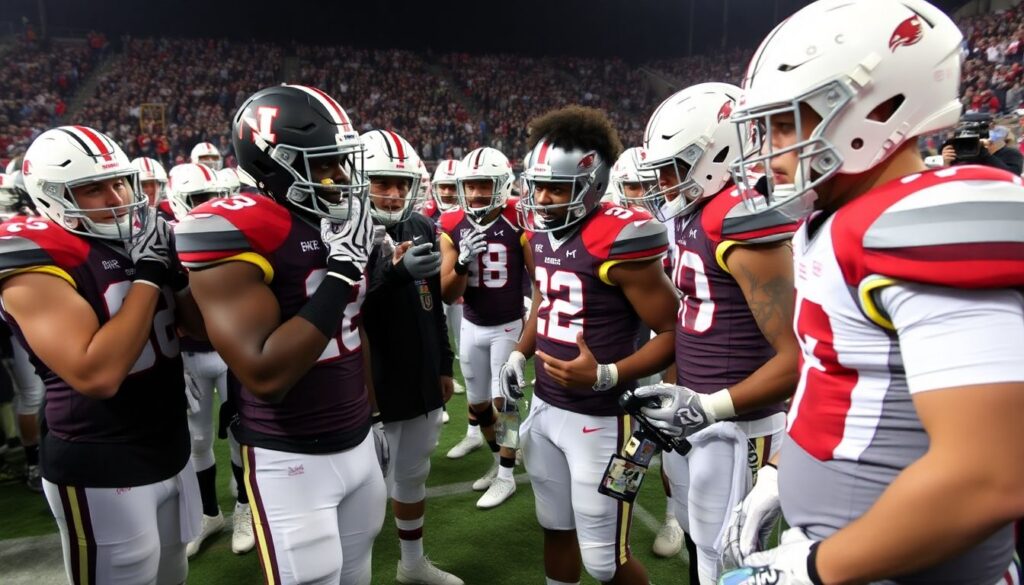
Even at the college level, many players lose opportunities through avoidable errors during game weeks and media interactions. Watch for these common mistakes.
- Changing your pre‑game routine every week instead of using a consistent, calming process.
- Skipping warm‑up steps or stretching, leading to avoidable strains and slower starts.
- Ignoring simple performance metrics like assignment grade and mental errors while only chasing highlights.
- Over‑sharing injuries, game plans, or internal issues on social media.
- Trying to impress media or scouts with talk instead of letting film and preparation speak.
- Allowing one bad series or play to affect body language and effort for the rest of the game.
- Arguing with coaches or officials publicly, damaging your image with evaluators.
- Posting impulsively after games-especially after a loss-in ways that can be screenshotted and shared.
- Neglecting academics or conduct because you assume on‑field performance will cover everything.
- Chasing new, untested supplements or extreme diets in‑season instead of safe, stable nutrition.
Pro Prep Fast-Track: Agents, Draft Workouts, and Pro Day Execution
Not every successful college player follows the same route to the big stage. These alternatives can fit different situations if approached carefully and safely.
- Return for an extra year of college eligibility – Useful if you need more film, physical development, or degree progress. This can be smarter than rushing into a pro market where your role and health are uncertain.
- Pursue regional or alternative pro leagues – If NFL or top‑tier opportunities are limited, developmental leagues can offer film and reps. Work with your college coaches to vet which options are stable and prioritize safety, insurance, and contract clarity.
- Focus on strength and conditioning internships or coaching paths – Some players transition into coaching or performance roles while still close to the game. This can leverage your experience and connections if your body or interest no longer fits pro playing demands.
- Graduate and leverage football for networking – Your college football background can open doors in business, education, or public service. Attending one of the best colleges for football scholarships can matter here, because your alumni base and team network stay valuable long after your last snap.
Common Tactical Concerns from Aspiring Pros
When should I start the college football recruiting process?
Collect varsity film as early as possible, but focus on serious outreach once you have consistent production and coach feedback, often around your sophomore or junior seasons. Earlier than that, prioritize development, grades, and learning the game safely.
How do I know if I am good enough for a scholarship?
Compare your size, speed, and film to current players at your position on college rosters. Ask honest coaches for their evaluation of your level and whether how to get a college football scholarship is realistic at that level or if walk‑on routes make more sense.
Which camps help most with getting noticed by college scouts?
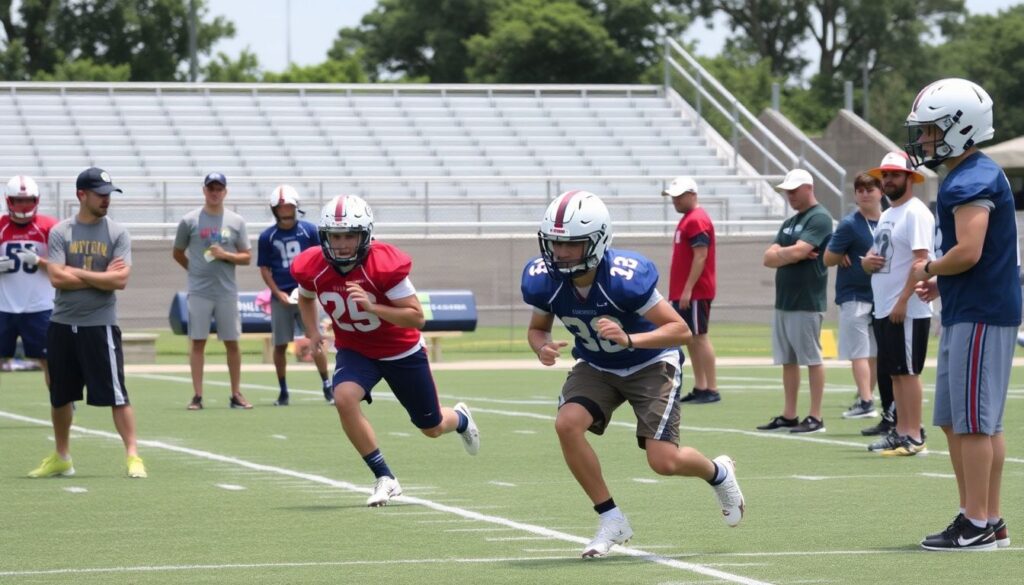
Position‑specific and school‑run prospect camps at programs that already recruit your area are usually most effective. Choose events where you know how to get noticed by college football scouts who actually recruit your position and graduation year.
What should a safe, effective off‑season training plan include?
Use progressive lifting supervised by a coach, position technique work, speed and agility sessions, and recovery days. Well‑designed college football training programs for athletes emphasize safe technique, gradual increases, and flexibility around school and rest.
Do I need a recruiting service to get a college football scholarship?
No. Many players handle recruiting through coaches, film, and direct communication. Services can help organize information, but they cannot replace good film, grades, and real interest from programs that fit you athletically and academically.
How important are academics in football recruiting?
Grades and test scores determine eligibility and which schools can recruit you. Strong academics make it far easier for staffs to say yes, especially at academically demanding programs and the best colleges for football scholarships.
Can I still reach the big stage if I do not start at a major program?
Yes. Players reach the pros from all levels by dominating their competition, staying healthy, and steadily improving. Consistent production, good film, and professional habits matter more than starting at a famous school logo.