
Analytics are changing modern football game planning by turning video and tracking data into specific, testable decisions about lineups, tactics and training. Safe first steps are simple: standardize data, clarify questions, test ideas in training, and track outcomes. Limitations remain: data quality, small samples, model overfitting and human behavior.
Analytics at a Glance: Strategic Shifts in Modern Football Planning
- Planning moves from intuition-only to hypotheses backed by repeatable metrics and clear game models.
- Focus shifts from single matches to long-term patterns in chance creation, pressing and transitions.
- Video becomes searchable data; clips support, not replace, live coaching judgment.
- Player roles are defined by measurable actions and physical profiles, not only positions.
- Training design mirrors match demands, based on real intensity, spacing and pressing data.
- Decisions become more collaborative: coaches, analysts and medical staff share one evidence base.
From Data Sources to Decision Drivers
In practical terms, football analytics is the process of collecting match and training data, organizing it, and turning it into decisions about tactics, player selection and workload. The goal is not more numbers, but fewer, clearer questions with evidence-based answers that can be tested on the pitch.
Data sources usually include event data (passes, shots, pressures), tracking data (player and ball coordinates), physical outputs (distance, high-speed runs), and subjective ratings from coaches or scouts. Good football performance analytics software or sports data analytics services for football teams help standardize these inputs so decisions are consistent over time.
To turn raw data into decision drivers, you need a simple pipeline: define the football problem, select relevant metrics, check data quality, run basic analysis, and translate findings into clear actions. Every output should answer a direct coaching question such as “Who starts?”, “How do we press?”, or “Where do we concede space?”
- Start with one domain (for example, chance creation) instead of trying to analyze every aspect at once.
- Agree on definitions: what exactly counts as a key pass, a defensive duel, or a high-intensity run.
- Document data sources and limitations so staff understand why a number may be noisy or incomplete.
- Create short decision summaries: one page or slide linking each metric to a specific recommendation.
- Review outcomes regularly to check whether your “data-driven” decisions actually improved performance.
Modeling Player Performance: Metrics That Matter
Modeling player performance means reducing thousands of actions into a manageable set of metrics that reflect a player’s contribution to your game model. The aim is not to rank players generically, but to show how well each one supports the way your team wants to play.
- Contribution to chance creation: use shots, expected chance value, key passes and progressive passes to see who consistently moves the ball into dangerous zones.
- Defensive impact: track pressures, interceptions, tackles won and ball recoveries in specific zones that matter for your pressing strategy.
- Ball progression: measure progressive carries, forward passes under pressure and line-breaking passes that move play between thirds.
- Physical and availability profile: monitor total distance, high-speed efforts, repeat sprint ability and minutes played to understand durability and fatigue risk.
- Role fit: combine technical, tactical and physical metrics that define success in a specific role (for example, wing-back versus traditional full-back).
- Consistency over time: track rolling averages (for example, last 5-10 matches) rather than single-game highs or lows.
Safe practice is to keep models simple at the start. Use a small, transparent set of metrics rather than complex composite scores you cannot explain to players. Treat every metric as a conversation starter, not a verdict on a player’s value or future.
- Share individual reports with players, focusing on 2-3 metrics they can directly influence in training this week.
- Use football match analysis software for coaches to pair every key metric with a short video clip for clarity.
- Compare players only within roles and game models; avoid cross-position “top 10” lists that ignore tactical context.
- Log how changes in role or system affect each player’s metrics before making selection or transfer judgments.
Tactical Design Powered by Event and Tracking Data
Tactical analytics uses event and tracking data to test and refine your game model: pressing, build-up, transition and set plays. Instead of relying only on memory and subjective impressions, you quantify how often your intended behaviors appear and whether they create or prevent chances.
- Pressing structure: measure where and how often you win the ball, how long you keep it after a regain, and whether regains lead to shots.
- Build-up and progression: analyze pass networks, progression routes between thirds and how often you break opposition lines or enter the box.
- Defensive block: use tracking data to see line heights, line compactness and gaps between units that opponents exploit.
- Set pieces: evaluate delivery zones, runs and blocking patterns against actual shot creation and conceded chances.
- Transition moments: count how many opponent counters start after your own turnovers in specific zones.
Player tracking and performance analysis tools reveal spatial patterns you cannot reliably see in real time: overloads, free players on the far side, or repeated weaknesses when you shift across. The safe step is to connect one or two clear tactical principles to concrete, trackable patterns.
- Pick a single tactical question, such as “Should we press high or mid-block against this opponent?” and collect only the data needed to answer it.
- Use heat maps and pass maps to communicate ideas to players quickly, limiting each meeting to a few visuals.
- Design training games (for example, constrained build-up drills) that replicate the exact spaces and patterns identified in your analysis.
- After matches, check whether the tactical behaviors you trained actually occurred, not just whether you won.
Integrating Machine Learning into Match Preparation
Machine learning models extend standard analytics by spotting complex patterns and making predictions, such as expected chance value or likely passing options under pressure. Used carefully, they offer deeper insight into tendencies, but they must support, not replace, football knowledge and live observation.
- Use models to estimate chance quality instead of relying only on shot count or possession percentage.
- Train simple predictive models (for example, “which zones are opponents most likely to attack?”) using your own match history.
- Rely on football data analytics consulting for clubs or experienced analysts before deploying complex models in high-stakes decisions.
- Integrate model outputs into pre-match reports as “scenario indicators”, not rigid instructions.
Limitations and risks need explicit boundaries. Machine learning depends heavily on data quality, sample size and assumptions; overfitting and false certainty are common when staff treat model outputs as absolute truths. Human behavior, injuries and tactical surprises always introduce uncertainty that models cannot fully capture.
- Avoid using ML models for fine-grained selection choices when the dataset is small or highly variable.
- Do not communicate model percentages to players as guarantees; frame them as likelihoods that can be changed by effort and discipline.
- Regularly test models on new matches and retire those that lose predictive value or contradict clear football logic.
- Keep transparency high: coaches should understand, in simple language, why a model recommends a certain pattern.
Operationalizing Analytics: Translating Insight into Training
Analytics only change game planning when insights drive week-to-week training and match preparation. Operationalizing means embedding metrics and reports into your normal workflows: session design, squad rotation, opposition scouting and post-match reviews, all structured in a consistent, realistic way.
- Overloading staff with dashboards: too many charts distract from the 2-3 key levers you can actually train before the next match.
- Ignoring context: repeating the same intensity metrics across different game states, formations or weather conditions without adjustment.
- Chasing the latest tool: switching constantly between football performance analytics software platforms instead of stabilizing definitions and routines.
- Over-promising impact: selling analytics as a quick fix rather than a gradual refinement of existing coaching expertise.
- Excluding players: using numbers in closed meetings, which creates suspicion and reduces buy-in from the squad.
Safe, effective implementation focuses on simple routines. One report per week, one main theme per cycle, clear links between match findings and training exercises, and open communication with players about how numbers are used to support, not punish, their development.
- Define a standard pre-match, in-match and post-match reporting rhythm that fits your staff capacity.
- Use your chosen football performance analytics software to auto-generate recurring views (for example, pressing efficiency, chance quality, set-piece outcomes).
- Connect each analytic insight to a specific drill or constraint in training (for example, smaller zones to train compactness if spacing is poor).
- Review changes in small staff huddles, then communicate only the essentials to the full squad.
Measuring Impact: KPIs, Validation and Continuous Improvement
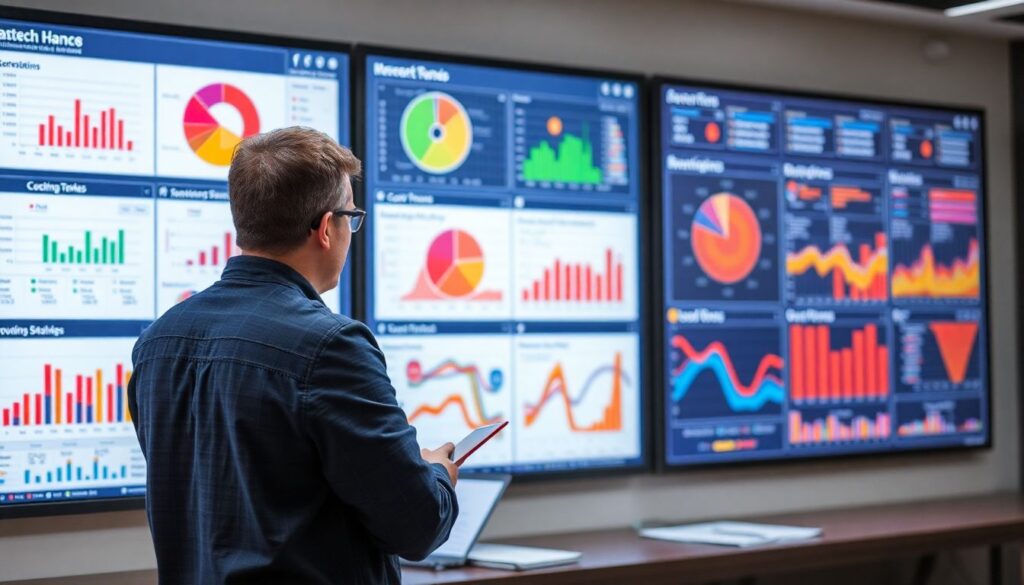
To know whether analytics really improve game planning, you need clear KPIs, simple validation methods and a mindset of continuous adjustment. Instead of hunting for perfect models, measure whether your decisions become more consistent, your style more stable and your risk management more deliberate.
For team-level KPIs, track metrics linked directly to your game model: chance quality created and conceded, pressing outcomes in target zones, build-up completion into the final third, and set-piece efficiency. For process KPIs, track how often planned preparation steps happen on time and how frequently insights are actually implemented.
Consider a short case. You set an objective to improve high-press effectiveness over six weeks. You define two KPIs: regains in the final third per match and shots within 10 seconds of a regain.
- Baseline last 5 matches: calculate average regains in the final third and follow-up shots.
- Design a training block with pressing-focused games, informed by tracking data on line height and compactness.
- Use your football match analysis software for coaches to tag pressing actions and link them to outcomes after each match.
- After six weeks, compare new averages to baseline and review video to confirm behaviors, not only numbers, improved.
If KPIs move in the right direction and video confirms the intended behaviors, you keep or refine your approach. If not, you either chose the wrong KPIs, misread the data or designed training that did not match real match demands. In all cases, analytics become a structured feedback loop rather than a one-off project.
Coaches’ Practical Concerns About Implementing Analytics
How can a small staff start with analytics without being overwhelmed?
Limit scope to one area, such as chance creation or pressing, and one or two simple metrics. Use affordable tools or sports data analytics services for football teams that automate basic reports. Build a repeatable weekly routine before expanding.
What if our data quality is poor or incomplete?
Acknowledge gaps explicitly and avoid fine-grained conclusions from noisy data. Combine manual video tagging with basic event data to cross-check key moments. Prioritize consistency in definitions over quantity of data.
How do we explain analytics to players without losing the dressing room?
Focus on clarity and usefulness: show brief clips, two or three metrics and one concrete action for each player or unit. Emphasize that numbers support their development and selection fairness, not punishment or public ranking.
Can analytics replace live scouting and coaching intuition?
No. Analytics reveal patterns and test ideas, but live observation captures body language, communication and context models cannot see. Treat data as a second opinion that challenges or confirms your initial impressions.
How do we choose between different tools and services?
Decide which questions matter most to your staff, then test football performance analytics software, player tracking and performance analysis tools, and football data analytics consulting for clubs against those needs. Prefer systems that integrate with your video platform and export data easily.
What is a safe level of machine learning use for a typical club?
Start with well-understood models like chance quality estimation or simple opponent tendency analysis. Work with experienced analysts, keep models transparent and avoid using predictions as the sole reason for high-stakes decisions such as transfers.