
Balancing family life and football starts with shared calendars, clear expectations, and repeatable routines for travel, matches, and recovery days. Treat your home like a second dressing room: planned, communicated, and reviewed weekly. This guide turns behind-the-scenes habits into practical checklists you can adapt for footballers family life balance.
Core Principles for Balancing Family and Professional Football
- Plan the season together, not alone: share schedules, blackout dates, and realistic family commitments.
- Communicate role changes early whenever fixtures, injuries, or transfers shift your availability.
- Standardize parenting and home routines so they survive away days, tournaments, and late kick-offs.
- Protect mental recovery with agreed digital boundaries, sleep windows, and quiet time at home.
- Align money decisions with shared priorities instead of impulse buys after bonuses or transfers.
- Use club, community, and extended family support before you both hit burnout or resentment.
Scheduling Strategies for Players and Partners
These strategies suit couples who want structured work life balance for professional soccer players without losing flexibility during injuries, transfers, or international duty. Do not over-structure if a player’s contract is highly unstable or if one partner is already in crisis; start with lighter coordination and, if needed, add professional support.
- Create a shared season overview
- Mark pre-season, regular season, playoffs, international windows, and likely off-weeks.
- Highlight non-negotiables: births, weddings, school exams, key anniversaries.
- Use a shared digital calendar visible on both phones and a kitchen wall calendar.
- Color-code days by energy level
- Match days: red (no big family commitments beyond brief check-ins).
- Day-before games: amber (short, low-stress activities only).
- Recovery and off days: green (family time, dates, kids’ events).
- Pre-book recurring family anchors
- Weekly standing events: video call with kids when away, family breakfast after home games, date night on a recovery evening.
- Protect these anchors in the calendar like training sessions; cancel only for genuine emergencies.
- Plan travel windows explicitly
- For each away trip, add packing times, airport/bus departure, likely return, and decompression time.
- Clarify who handles school runs, bedtime, and meals during those windows.
- Review weekly in 10 minutes
- Every off day, skim the coming week: fixtures, kids’ activities, medicals, media duties.
- Adjust responsibilities if one partner is overloaded or if the schedule changed.
- Respect hard stops
- Set a latest time for phone calls or football talk on match eve.
- Set a latest time for family logistics after evening training.
Communicating Role Changes and Availability
Clear communication is the backbone of how professional football players balance family and career. You will need simple tools and habits rather than complex systems.
- Required tools
- Shared calendar app with alerts (for both partners).
- Messaging app group with partner and, if relevant, key caregivers.
- A visible home board (whiteboard or paper) with this week’s plan.
- Information to keep updated
- Training time changes, added recovery sessions, and media appearances.
- Travel call times, room checks, and curfew rules that affect call windows.
- Medical appointments, rehab timelines, and any limits on home duties.
- Simple update scripts
- Schedule change: “Coach moved training later on Wednesday, so I’ll miss bedtime but can handle the school run Thursday instead.”
- Unexpected fatigue: “I’m home, but I’m on low energy tonight. I can do bath time; can you cover homework?”
- Family availability windows
- Agree preferred times for video calls with kids during away trips.
- Set expectations with extended family about when visits are realistic.
- Align visits with green (family) days on your shared schedule.
- Conflict prevention habits
- Use “next time” planning after disappointments: identify what to communicate earlier.
- Label feelings without blame: “I feel left alone on away weeks” vs. “You never help.”
Practical Parenting During Season Travel

The life of footballers off the pitch with family is often decided by how predictable routines stay when one parent is constantly on the move. Use this preparation checklist before you rely on the step-by-step plan.
- List every daily child task (waking, meals, school, activities, bedtime).
- Mark which tasks the traveling player can support remotely.
- Gather school schedules, medical contacts, and passwords in one shared place.
- Prepare a standard “away week” routine and keep it printed at home.
- Decide your minimum daily connection points: calls, messages, or videos.
- Standardize the kids’ daily rhythm
Keep wake-up, meals, homework, and bedtime at the same times on both home and away weeks. Children handle a parent’s absence better when the structure remains constant, even if who performs the tasks changes. - Build an “away week” routine map
Write a simple day-by-day plan for when the player is traveling, showing who does each key task.- Morning: who wakes, dresses, and drops off children.
- Afternoon: who covers pick-up and activities.
- Evening: who leads dinner, homework, and bedtime.
- Create predictable connection rituals
Agree fixed times for the player to connect with children, matched to time zones and team rules.- Short video call before or after dinner on non-match days.
- Voice message or photo on match day instead of a long call.
- Weekly longer chat on a recovery day.
- Prepare “dad/mom is traveling” comfort tools
Before each trip, prepare items that keep the player present emotionally.- Recorded bedtime stories the kids can play.
- Small countdown calendar until the parent returns.
- A shared notebook for drawings and messages to show when reunited.
- Share key information with backup caregivers
Give grandparents, sitters, or trusted friends clear guidance.- Emergency contacts, doctors, allergies, and medication instructions.
- Rules you both care about (screen time, bedtime, discipline).
- Permission for school pick-ups and activities.
- Manage match-day expectations with children
Explain simply when the player can and cannot talk.- Show on a calendar which days are match days and travel days.
- Offer an alternative: leave a message the player will answer later.
- Celebrate small rituals after wins and after tough results.
- Debrief and reset after each trip
After the player returns, review what worked and what was hard for everyone.- Ask children what they liked about calls and what felt rushed.
- Adjust connection times and routines before the next travel block.
Managing Mental Load and Burnout Prevention
Use this checklist to see whether your balance is sustainable for both the player and the family.
- You both know, without checking, who handles each major home task most days.
- Neither partner regularly feels “on call” for everything when the other is tired or traveling.
- The player has at least one non-football activity per week that is protected, however small.
- There is a clear routine for sleep around late kick-offs and early school mornings.
- You can name at least two people outside your household you would call in a crunch week.
- You have agreed times when football talk is off-limits at home to protect mental space.
- Arguments about football rarely happen right after matches; you wait for a calmer window.
- Both partners get solo time at least once a week, even if only for a short walk or coffee.
- When one partner says “I’m at my limit,” you have a known plan to drop non-essential tasks.
- You review your routines at least once per month and tweak them, rather than waiting for a crisis.
Financial Planning to Support Dual Priorities
Money decisions strongly affect footballers family life balance. Avoid these common mistakes so finances support, rather than strain, your relationship and family routines.
- Relying on short careers and uncertain contracts without a medium-term savings plan.
- Letting lifestyle costs grow with every new contract instead of setting a stable baseline.
- Making big purchases or investments right after emotional highs or lows in the season.
- Ignoring the partner’s career prospects, training, or education during peak playing years.
- Underestimating costs of children’s schooling, travel, and possible moves between countries.
- Skipping proper insurance and legal advice for property, image rights, or cross-border moves.
- Not setting aside funds for post-career transition, retraining, or a period without income.
- Keeping one partner completely in the dark about accounts, debts, and contracts.
- Failing to plan for supporting extended family, leading to quiet resentment or surprise expenses.
- Neglecting simple budgeting tools because income “feels high,” then feeling trapped later.
Building Support Networks with Coaches, Clubs, and Community
Behind the scenes family stories of football players often include quiet, practical help from coaches, staff, and neighbors. These alternative support routes are useful when your immediate household cannot carry everything alone.
- Leaning on club resources
Appropriate when the club offers family liaisons, relocation support, or mental health staff. Use them for housing, school searches, and scheduling help during transfers or major life events. - Developing a trusted “local team”
Ideal when you live far from extended family. Build relationships with nearby parents, teammates’ partners, and neighbors who can swap school runs, share childcare, or host playdates on match days. - Structured professional support
Useful when stress, conflict, or moves between countries overwhelm your informal network. Consider family therapists, financial planners, or career coaches who understand work life balance for professional soccer players. - Maintaining roots in your home community
Valuable when frequent transfers disrupt stability. Keep contact with a home club, hometown friends, or online groups where life of footballers off the pitch with family is openly discussed and normalized.
Common Concerns and Quick Resolutions
How can we start improving balance if our schedule already feels chaotic?

Begin with a one-week experiment: add a shared calendar, color-code days by energy level, and choose one protected family anchor. Review after the week, keep what helped, and add only one new change at a time.
What if my coach does not respect family commitments?
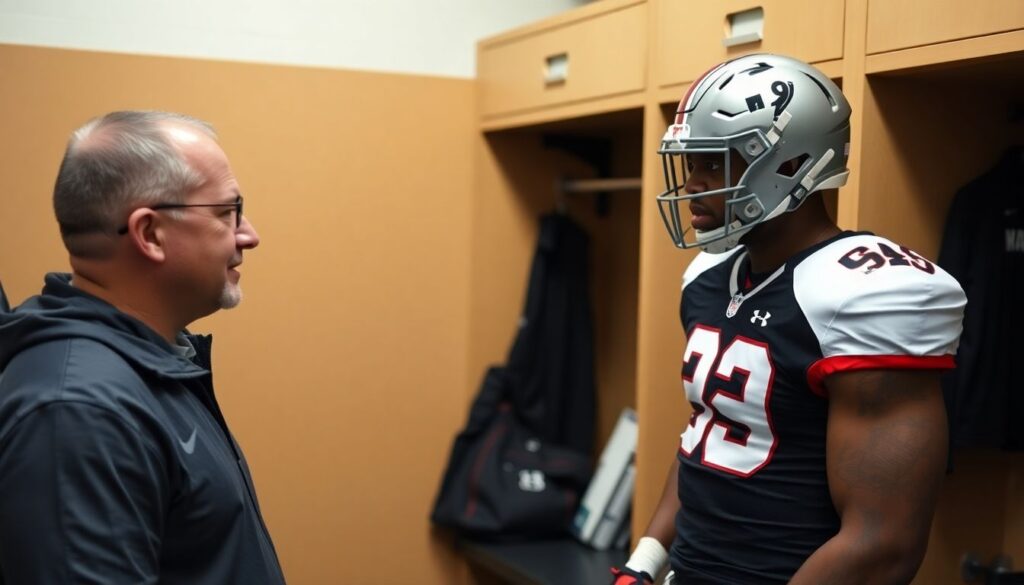
Clarify team expectations first, then communicate your non-negotiable family events well in advance. Look for small adjustments, like swapping media duties or recovery times, before escalating; if needed, involve player support staff or a trusted senior teammate.
How do we protect our relationship when results are bad?
Agree that direct match analysis stays outside the home or is limited to a set time. Create a short post-match routine focused on basic needs-food, rest, and simple connection-before discussing performance or future decisions.
How can a non-playing partner feel less invisible?
Schedule regular check-ins where the player asks about the partner’s work, goals, and stress, with football talk off the table. Share practical responsibilities where possible and include the partner in major career and relocation decisions.
What is realistic connection with kids on away trips?
One short daily touchpoint, even a voice note, is often more sustainable than long, irregular calls. Match longer conversations to recovery days and keep match days for brief, predictable messages.
How do we handle frequent moves to new countries with children?
Keep daily routines familiar, prepare children early with simple explanations, and involve them in small choices like room setup. Use club education support and connect quickly with other families at the new team or school.
Are public “perfect family” images hurting our expectations?
Social media rarely shows the full reality. Treat public posts and interviews as highlights, not instructions, and actively seek honest, behind the scenes family stories of football players from trusted peers or support groups.