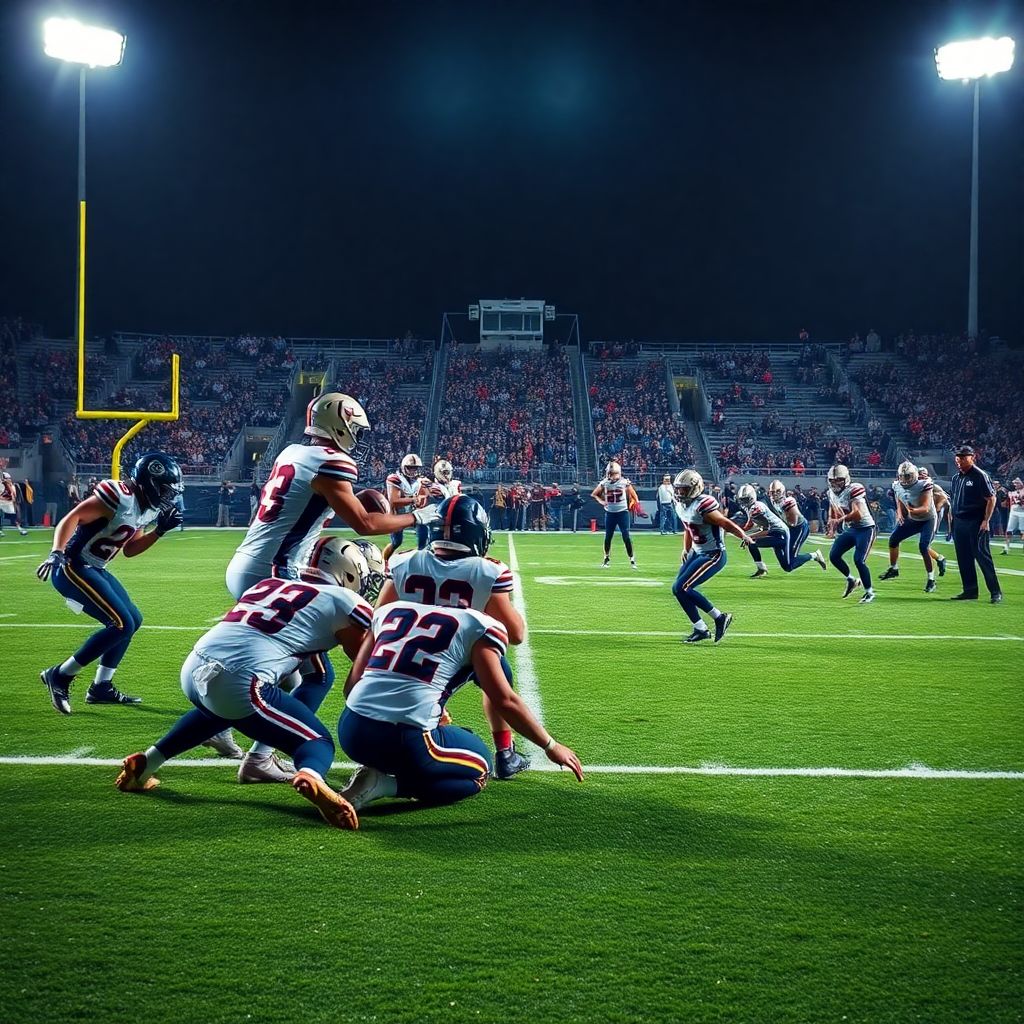
Special teams evolved from a change-of-possession formality into a high‑leverage phase that quietly swings win probability through field position, hidden yardage, and momentum plays. Rule changes, better athletes, analytics, and specialist coaching made kicking and return units more strategic. Teams that game‑plan, drill, and measure special teams consistently steal possessions and points.
Core shifts that redefined special teams
- Rule changes altered kickoff depth, onside odds, and return value, forcing new strategies.
- Dedicated coordinators and special teams coaching clinics raised technical standards.
- Personnel evolved from fringe backups to hybrid starters and true specialists.
- Film, GPS, and football special teams analytics software exposed hidden yardage patterns.
- Situational aggressiveness on fakes and onside kicks became a deliberate game‑theory choice.
- Pressure kicking mechanics and mental training now decide close games routinely.
Historical turning points: rule changes, equipment, and culture
Special teams refers to all kicking and return situations: kickoffs, punts, field goals, PATs, onside kicks, and most fakes. Historically, these plays were treated as transitions between offense and defense. Today they are a distinct, game‑planned phase with dedicated practice time, schemes, and personnel rules.
Several rule changes reshaped what special teams means. Kickoff line and touchback adjustments changed average starting field position and made some return strategies obsolete. Protection rules around long snappers, wedge blocks, and defenseless players forced coordinators to swap out older, collision‑heavy schemes for space‑and‑leverage concepts.
Equipment and surfaces also mattered. Modern balls, turf, and footwear improved accuracy and made longer field goals realistic, increasing the scoring value of drives that stall near midfield. As coaches saw games repeatedly decided by kicks and coverage busts, they pushed for more dedicated special teams practice and formalized the role of the special teams coordinator.
- Clarify for your staff which plays you classify as special teams in your grading system.
- Chart how recent rule changes in your league altered kickoff and punt outcomes.
- Review older film to see which legacy schemes are now illegal or inefficient.
- Allocate explicit meeting and practice time to special teams, not leftover minutes.
Personnel evolution: from pure specialists to versatile contributors
Special teams personnel shifted from afterthought backups to carefully chosen athletes who can run, tackle, block in space, and process quickly. Roster constraints and substitution rules pushed coaches to value players who can contribute on offense or defense and still play on multiple special units.
Modern staffs often design a football special teams training program that runs year‑round, building roles for gunners, jammers, personal protectors, and core coverage players. Starters, especially linebackers, safeties, and receivers, are more likely to be involved on key units than in previous eras, because coaches recognize the direct connection between special teams snaps and field position.
- Identify core special teamers: 4-6 players you expect to play on most units and master techniques.
- Define role profiles: gunner, jammer, PP, edge rusher, personal protector, up‑back, return specialist.
- Cross‑train backups at 2-3 units to protect against injuries and in‑game ejections.
- Integrate special teams techniques into individual periods, not just separate special periods.
- Track snap counts to avoid overloading a few athletes across offense, defense, and multiple units.
- List your top ten athletes in open‑field tackling and blocking; confirm they are on key units.
- Ensure each unit has at least one experienced communicator who can adjust alignments.
- Audit practice reps so core players get live looks, not just scout‑team stand‑ins.
- Review injuries and fatigue patterns to adjust who doubles as both starter and special teamer.
Schemes and tactics that flip field position and momentum
Special teams schemes aim to create leverage in field position and momentum without exposing the team to undue risk. Coordinators use directional kicking, varied depths, and disguise in alignments to stress return units. Likewise, return schemes blend designed creases, misdirection, and personnel matchups to generate explosive plays.
While a full special teams playbook download can contain dozens of concepts, most programs rely on a small core of base calls and a few change‑ups that match their roster and league rules. The art lies in knowing when to call a conservative, field‑position play versus an aggressive return, rush, or fake.
- Pin‑deep punts: Use rugby or directional punts near midfield to force fair catches inside the 10, limiting offensive play‑calling.
- Return‑oriented kickoffs: When your returner is a weapon and touchbacks are less valuable, kick or receive to keep the ball in play and target weaker coverage lanes.
- Block or pressure looks: Timed rushes on long‑developing punts can tilt hidden yardage by forcing shanks and rushed operation time, even without blocks.
- Field‑position field goals: Long attempts double as field‑position plays; a miss spot and protection risk must be weighed against a pin punt.
- Surprise fakes and onside kicks: Used when analytics and game state justify stealing a possession, not as gut‑feel gambles.
- Define base, change‑up, and high‑risk calls for each unit before the season.
- Self‑scout alignments so fakes and pressure looks do not become predictable.
- Drill sudden‑change scenarios where a special teams swing follows a turnover.
- Practice communication between coordinators to align calls with offensive and defensive plans.
Kicking mechanics, tech, and the psychology of pressure kicks
Kickers and punters are now highly trained specialists whose mechanics are broken down frame‑by‑frame. Video tools and football special teams analytics software help coaches assess plant foot consistency, swing path, operation time, and ball flight. Even so, pressure, wind, and surface conditions still create variance that must be managed through routine and mental training.
Sports psychology and game‑like simulations are now staples in a serious football special teams training program. Rehearsing ice‑the‑kicker situations, crowd noise, and last‑second substitutions teaches specialists to rely on repeatable routines instead of the emotional weight of the moment.
- Advantages of modern kicking:
- Improved technique and film breakdown increase consistency across distances and hashes.
- Specialized strength and flexibility work expands effective range.
- Predictive charts help coaches decide when a field goal is realistic versus low‑percentage.
- Mental routines and visualization improve handling of pressure moments.
- Constraints and risks to respect:
- Weather, wind, and surface quality still limit real‑world range and accuracy.
- Protection issues and bad snaps can ruin even perfect mechanics.
- Over‑reliance on long field goals can hide deeper offensive problems.
- Mental fatigue across a season can erode form if recovery is ignored.
- Film at least one angle of every kick and punt for technical review.
- Create a pre‑kick routine checklist your kicker can execute under time pressure.
- Track real game range and hash performance, not just practice distances.
- Factor weather and protection quality into late‑game field goal decisions.
In-game decisions: when coaches lean on special teams and why
In‑game special teams decisions revolve around expected value: field position, possession probability, and clock. Analytics inform choices like going for it on fourth down, punting to pin, attempting long field goals, or calling surprise onside kicks. However, practice data, matchups, and player health all modify the raw numbers.
Many programs now supplement staff experience with online courses for football special teams coaches that cover game‑theory scenarios, while others use sideline tools that incorporate live win‑probability models. The best use these inputs to refine their instincts rather than blindly follow charts.
- Believing touchbacks are always safe; in some contexts, high‑hang, short kicks are more valuable.
- Attempting low‑percentage long field goals that yield favorable field position if missed.
- Calling surprise fakes without previous practice reps or clear schematic tells to exploit.
- Ignoring weather, wind, and fatigue when choosing between punt, go‑for‑it, or kick.
- Overreacting to one bad or great play instead of long‑term tendencies in decisions.
- Confirm every aggressive call (fake, onside, long FG) was installed and repped that week.
- Use a simple sideline chart that combines down, distance, and field position rules.
- Discuss between coordinators how a special teams decision affects the next defensive series.
- Debrief post‑game to tag every major decision as process‑sound or results‑driven.
Evaluating performance: metrics, film cues, and predictive signs
Special teams still wins and loses games because small edges add up: one poor punt, blown lane, or protection bust can flip field position or hand away a possession. Evaluating this phase requires both numbers and film. The goal is not perfection but repeatable processes that produce favorable averages over a season.
At intermediate level, you can build a simple evaluation model without advanced football special teams analytics software. Track starting field position, net punt, return yardage allowed and gained, penalties, and explosion plays (over a chosen yard threshold) for and against. Pair that with film notes on alignment errors, effort, and tackling form.
Here is a short post‑game algorithm to check whether special teams helped or hurt your result:
- Compute average starting field position for both teams; note which side won the field‑position battle.
- Sum your hidden yardage: all return yards gained minus return yards allowed, plus net punt differential.
- Count critical events: blocked kicks, muffed punts, missed PATs/FGs, big returns allowed or gained.
- Note penalty impact: how many drives started worse than they should have due to special teams flags.
- Compare these findings with the game margin to judge whether special teams swung the outcome.
In pseudocode, a minimal evaluation could look like this:
special_teams_score = 0
special_teams_score += (avg_start_own - avg_start_opp)
special_teams_score += (hidden_yards / 10)
special_teams_score -= (critical_errors * 2)
special_teams_score -= (ST_penalty_yards / 20)
A positive score suggests special teams likely contributed to winning; a negative score signals a liability. The exact weights are less important than using the same framework week after week to identify trends.
- Log core metrics every game: average start, net punt, returns, penalties, critical plays.
- Tag film clips where scheme or technique issues repeat across weeks.
- Review at least one special unit per meeting day rather than all units at once.
- Adjust practice priorities based on recurring breakdowns, not just the last big mistake.
End-of-article self-check: your special teams evolution audit
- Can you explain to players how recent rules in your league changed kickoff and punt value?
- Do you have clearly defined roles and a written depth chart for every special unit?
- Is there a small, installable special teams playbook download or packet that players can study?
- Are in‑game decisions grounded in a consistent process, not just emotion or crowd pressure?
- Do you run a simple post‑game algorithm to judge whether special teams helped or hurt the result?
Quick clarifications coaches and analysts request
Why do coaches say special teams is one third of the game?
The phrase is more motivational than strictly mathematical. Special teams touches fewer plays than offense or defense but often with higher leverage. Field position, free possessions, and easy points from kicks mean a small number of snaps can decide close games.
How should an intermediate staff structure a special teams practice block?
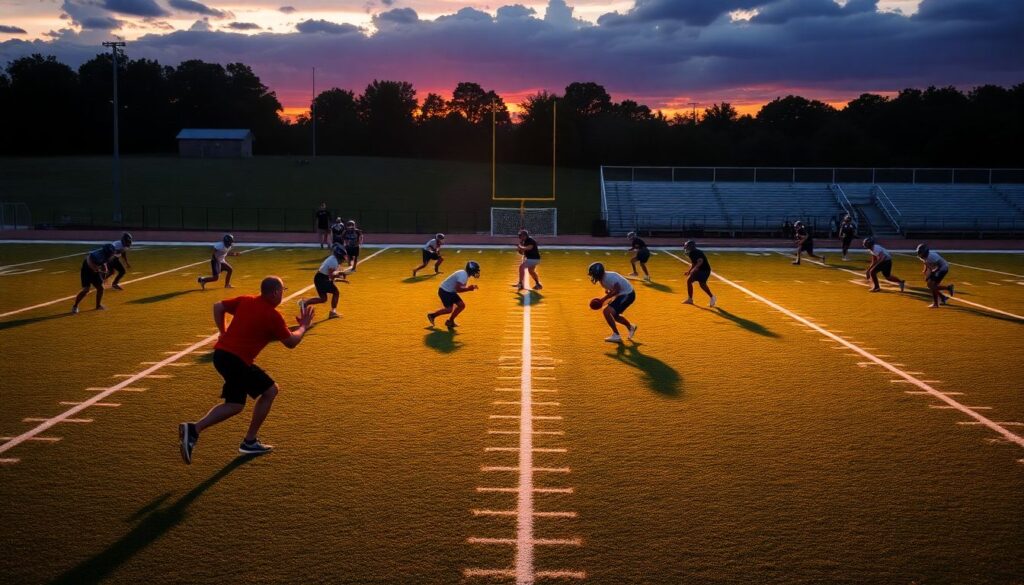
Use short, focused segments: an install or review period, unit‑specific drills, then live or semi‑live reps of 1-2 core units per day. Integrate special teams fundamentals like open‑field tackling into position periods rather than isolating everything in a single block.
Do we really need a dedicated special teams coordinator at lower levels?
Dedicated oversight is ideal, but the title matters less than clarity. One coach should own the big picture, while others handle individual units. Even at lower levels, this improves communication, game planning, and accountability for techniques and assignments.
How can smaller programs access advanced special teams knowledge?
Leverage special teams coaching clinics, online courses for football special teams coaches, and shared cut‑ups from friendly programs. Many clinics and digital resources provide drills, install plans, and game‑management frameworks that can be adapted to your roster and league rules.
Which basic metrics should we track before investing in analytics tools?

Start with average starting field position, net punt, return yards for and against, penalties, and critical events. Once that is routine, football special teams analytics software can add detail like hang time, lane integrity, and predicted win‑probability impact per play.
How much of the playbook should be special teams content?
Carry a small, well‑repped menu rather than a thick binder of rarely used calls. For most teams, a concise special teams section in the main playbook is enough, provided every concept is installed, communicated clearly, and practiced at game‑speed during the week.
What is the simplest way to explain special teams value to players?
Show cut‑ups where one kick or return changed the scoreboard or set up a short field. Connect those plays to your own goals for hidden yardage and field position swings, so athletes understand that every rep can be the snap that flips the game.