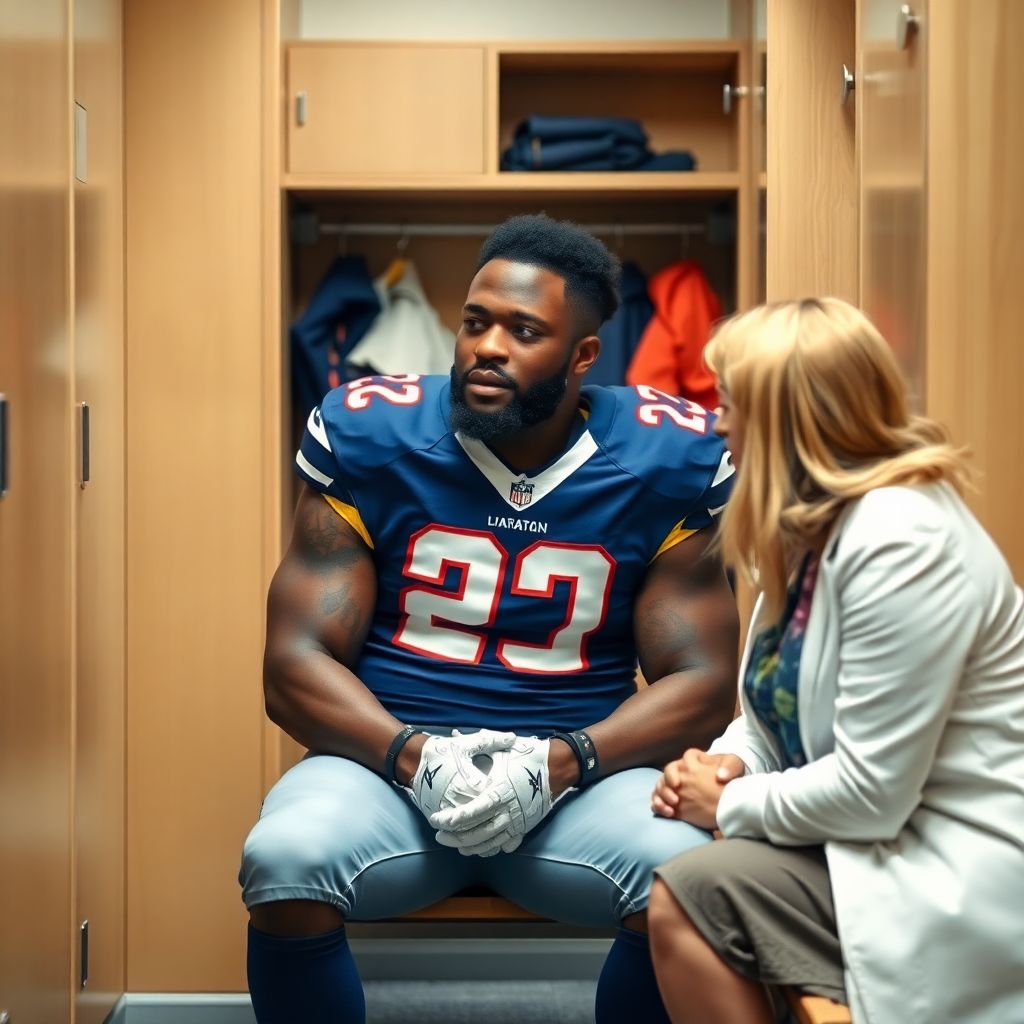
Mental health in American football refers to how players think, feel, and cope with pressure, injury, identity, and expectations beyond the field. When stress, anxiety, or low mood become persistent or disruptive, they require deliberate support, clear routines, and professional care woven into football culture, not treated as personal weakness.
Core Insights on Mental Health in American Football
- If mental toughness is defined as hiding emotions, then problems go underground; if it is redefined as asking for help early, performance and wellbeing both improve.
- If coaches normalize mental health support for football players, then stigma drops and players speak up sooner.
- If families and staff can spot subtle off-field changes, then risky patterns are interrupted before crisis.
- If organizations plan for identity, schedule, and injury stress, then fewer athletes are left isolated during transitions.
- If teams integrate a sports psychologist for American football teams into daily operations, then pressure management becomes a shared skill, not an individual burden.
- If access to online sports therapy for football players expands, then athletes at every level can get confidential, timely care.
Debunking Myths About Mental Toughness and Football
In American football, “mental toughness” is often misinterpreted as never showing emotion, playing through anything, and solving problems alone. This myth is harmful. It confuses short-term stoicism with long-term resilience and treats normal human reactions to extreme pressure as flaws.
In reality, mental toughness is the capacity to notice stress, regulate it, and choose effective actions under pressure. That includes using mental health support for football players, leaning on trusted people, and adjusting routines after setbacks or injuries. Emotional awareness is part of the skill set, not a liability.
If a player believes “real competitors never struggle,” then they are more likely to hide anxiety, depression, or concussion symptoms; if the standard is “real competitors address problems quickly,” then reaching out to medical or psychological staff becomes a performance behavior, not a confession of weakness.
If a coach praises only pain tolerance, then athletes may risk long-term harm to protect their standing; if a coach also praises self-advocacy, honest reporting, and use of mental performance coaching for athletes, then the definition of toughness shifts toward sustainable excellence.
How Pressure Shows Up Off the Field: Signs Players, Coaches, and Families Miss
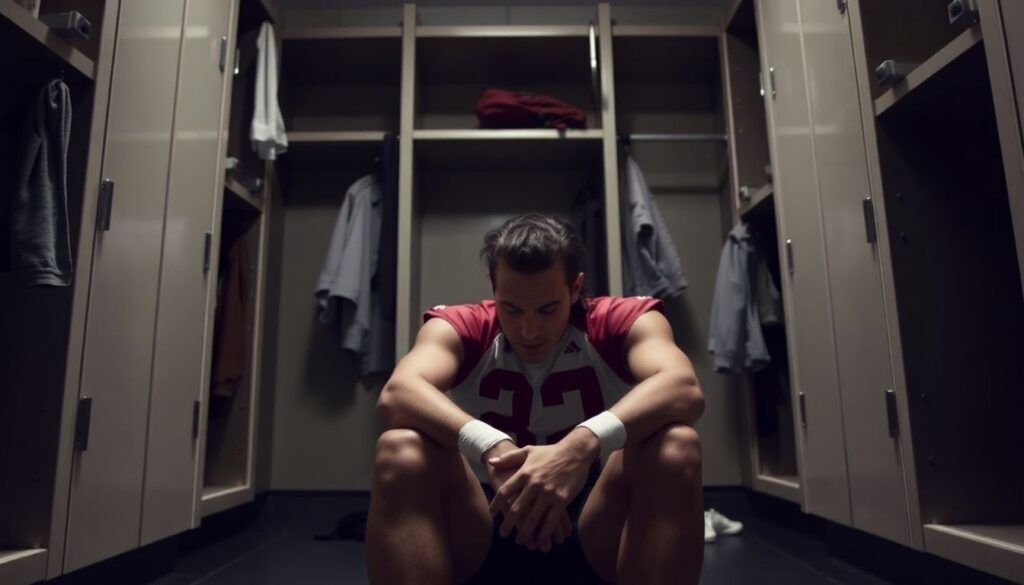
- Subtle mood and personality changes
If a normally upbeat athlete becomes irritable, withdrawn, or unusually flat for more than a week or two, then treat it as a signal worth exploring, not “just a phase.” - Sleep and energy disruption
If falling asleep, staying asleep, or getting out of bed becomes difficult, then assume stress load is high and adjust training, screen time, and caffeine rather than pushing harder. - Shifts in eating and body focus
If a player suddenly obsesses over weight, body fat, or “clean eating” in a rigid, anxious way, then monitor for disordered eating patterns, not just “dedication to the game.” - Academic and off-field performance drops
If grades slip, missed deadlines rise, or work habits deteriorate, then consider anxiety, depression, or attentional overload, not only “lack of discipline.” - Relationship conflicts and isolation
If teammates, partners, or family report the player is “always on edge” or unreachable, then check for burnout, not only “competitive focus.” - Risky coping behaviors
If substance use, gambling, or impulsive spending increases, then interpret it as an attempt to manage pressure and seek stress and anxiety treatment for professional athletes, rather than framing it purely as bad choices.
Sources of Psychological Strain: Culture, Schedule, Identity, and Injury
Off-the-field battles are rarely caused by a single event. They emerge from overlapping sources of strain that accumulate over time. Recognizing these sources helps coaches, players, and families respond earlier and more specifically.
- Hyper-competitive team culture
If the environment equates value only with on-field performance, then athletes may hide pain, mental or physical, to maintain status and scholarship or contract security. - Relentless schedule and public scrutiny
If film, practice, travel, and media leave almost no unstructured time, then recovery, social life, and sleep get squeezed out, raising vulnerability to anxiety and irritability. - Identity tied to role and status
If a player’s sense of self is built almost entirely on being a starter or prospect, then injuries, benching, or cuts can trigger identity crisis and shame. - Physical injury and pain management
If pain is constant and painkillers are normalized, then mood swings, fogginess, and dependence can develop, complicating both mental health and decision-making. - Transitions and uncertainty
If an athlete moves from high school to college, or college to pro/free agency, then loss of structure, role, and community can quietly intensify worry or depression. - Family and financial pressures
If relatives depend on a player’s future earnings, then every game can feel like a referendum on the family’s future, magnifying fear of failure.
Clinical Landscape: Common Disorders, Comorbidity, and Diagnostic Pitfalls
Many football players experience clinically significant issues such as anxiety disorders, depressive disorders, substance use problems, trauma-related symptoms, and sleep disorders. These do not always appear as obvious sadness or panic; they often coexist and show up as irritability, overtraining, or “laziness” that is actually exhaustion.
Frequently seen problems and overlaps
- If a player lives with chronic pain or repeated concussions, then mood and concentration problems may be both physical and psychological, often overlapping with anxiety or depression.
- If substance use begins as “just to relax” after games, then it can quietly evolve into dependence that worsens mood and sleep.
- If someone has long-standing attention or learning differences, then high-pressure systems can amplify frustration, shame, and self-criticism.
- If trauma from violence, past abuse, or frightening injuries is present, then flashbacks, avoidance, and hypervigilance may be mislabeled as attitude problems.
Typical diagnostic mistakes and blind spots
- If professionals focus only on performance complaints (“he lost a step”), then underlying depression, anxiety, or trauma may never be assessed.
- If irritability and anger outbursts are seen purely as character flaws, then underlying depression or brain injury may be completely overlooked.
- If evaluation happens only in-season and under time pressure, then important patterns outside football, like family conflict or academic stress, may be missed.
- If care is provided only in person at the facility, then players who fear being seen may skip help instead of using confidential options such as online sports therapy for football players.
Proven Interventions: Therapy Models, Peer Support, and Team-Based Programs
Effective support blends individual care with team-wide systems. The most useful question for any program is: “If this pattern shows up, then what exactly do we do?” Clear conditional plans reduce hesitation and confusion in high-stress moments.
- Evidence-informed therapy and counseling
If a player reports persistent anxiety, negative self-talk, or intrusive images of mistakes, then refer quickly to a clinician experienced in stress and anxiety treatment for professional athletes rather than relying only on motivational speeches. - Integrated sports psychology and performance work
If concentration, confidence, or composure under pressure are the main concerns, then pairing mental performance coaching for athletes with broader counseling produces more durable gains than performance drills alone. - Peer and leadership programs
If players are more likely to talk to teammates first, then training captains and veterans in basic listening, referral skills, and crisis steps creates an early-warning system embedded in the locker room. - Family and partner engagement
If partners and parents see the player daily, then giving them simple checklists of warning signs and referral options turns them into effective allies instead of anxious bystanders. - Hybrid access: on-site and online
If travel, privacy concerns, or schedule conflicts keep athletes from in-person appointments, then offering flexible, licensed online sports therapy for football players allows continuity of care through the entire season. - Clear crisis protocols
If self-harm, threats, or extreme behavior changes occur, then staff should have a written, rehearsed plan that prioritizes safety and rapid professional involvement instead of improvising under stress.
Structural Reforms: Policies, Education, and Organizational Accountability
Lasting change depends on structures, not just speeches. Policies, education programs, and accountability systems determine whether individual efforts scale into a safer culture for everyone in American football.
- Policy and confidentiality
If players believe mental health disclosures will be used against them in selection or contracts, then they will not use services, no matter how good they are. Policies must protect confidentiality and separate clinical information from depth-chart decisions whenever possible. - Standardized education for all roles
If only players receive mental health education, then coaches, staff, and families may unintentionally sabotage progress; a shared language across the organization is essential. - Embedded roles and reporting lines
If a sports psychologist for American football teams is positioned as an optional add-on rather than a core staff member, then their impact will stay limited; integrating them into decision meetings increases use and influence. - Monitoring and feedback loops
If leadership never measures utilization, satisfaction, and outcomes of mental health programs, then ineffective approaches can persist for years without correction.
Mini-case illustration:
If a college program notices rising late-semester anxiety and academic ineligibility, then it can respond by (1) scheduling brief check-ins with mental health staff before exams, (2) coordinating with academic support services, and (3) adjusting practice loads during peak exam weeks. Over time, this “if-then” routine becomes a predictable protective factor built into the calendar.
Concise Guidance for Coaches, Players, and Support Networks
How can a coach respond if a player’s attitude suddenly changes?
If a player becomes withdrawn, volatile, or unusually flat, then meet privately, express specific observations without judgment, and offer direct access to mental health support rather than immediately escalating discipline.
What should a player do if performance anxiety is growing every week?
If pre-game nerves are turning into dread, physical symptoms, or avoidance, then talk with staff about mental performance coaching for athletes and request a referral to a qualified clinician familiar with football demands.
How can families help without adding more pressure?
If a relative seems stressed or down, then ask open questions about how they are coping day-to-day, listen more than you advise, and gently encourage professional help instead of focusing only on stats or future contracts.
When is it time to involve a mental health professional urgently?
If there is talk of self-harm, sudden reckless behavior, or dramatic withdrawal from normal life, then involve licensed mental health and medical professionals immediately and do not leave the person alone until support arrives.
How should a team use online support options safely and effectively?

If in-person services are limited or stigmatized, then partner only with licensed providers offering secure online sports therapy for football players and make sure players know how to access it confidentially.
What can organizations change this season to reduce hidden pressure?
If leadership wants practical progress, then start by revising policies that punish disclosure, scheduling regular education sessions, and embedding a sports psychologist for American football teams in staff meetings and planning.
How can injured players protect their mental health during rehab?
If injury sidelines a player, then keep them integrated with the team, provide structured daily routines, and pair physical rehab with psychological check-ins to reduce isolation and identity loss.