
Why Rookie Impact Matters More Than Ever
If you follow the league even casually, you’ve probably noticed something: first-year players aren’t “learning behind the veterans” for two or three seasons anymore. They’re being thrown into high‑leverage snaps from Week 1, and a surprising number are actually driving wins. In 2026, “rookie spotlight” isn’t just a fun segment on RedZone; it’s a real competitive edge for front offices, fantasy managers, bettors and even collectors trying to figure out where the league is heading next. Immediate NFL impact from first‑year players has turned into a measurable, repeatable phenomenon instead of a random bonus.
Essential Tools for Analyzing First‑Year Players
At a minimum, you need reliable data and game access.
To break rookie performance down in a way that goes beyond “eye test,” you’ll want a core toolkit: (1) play‑by‑play databases with advanced metrics like EPA (Expected Points Added), success rate and pressure rate, (2) snap-count and alignment tracking that shows where and how a rookie is deployed, and (3) at least one trusted all‑22 or film‑cut resource to validate what the data says. If you’re serious about this, add contract databases (to understand path to playing time), injury reports and—if you care about money—access to market data for things like nfl rookie cards investment 2024 and beyond. None of this has to be paid, but the more granular the data, the better your read on a rookie’s real impact.
From Hype to Hard Numbers: Context for the 2024 Class
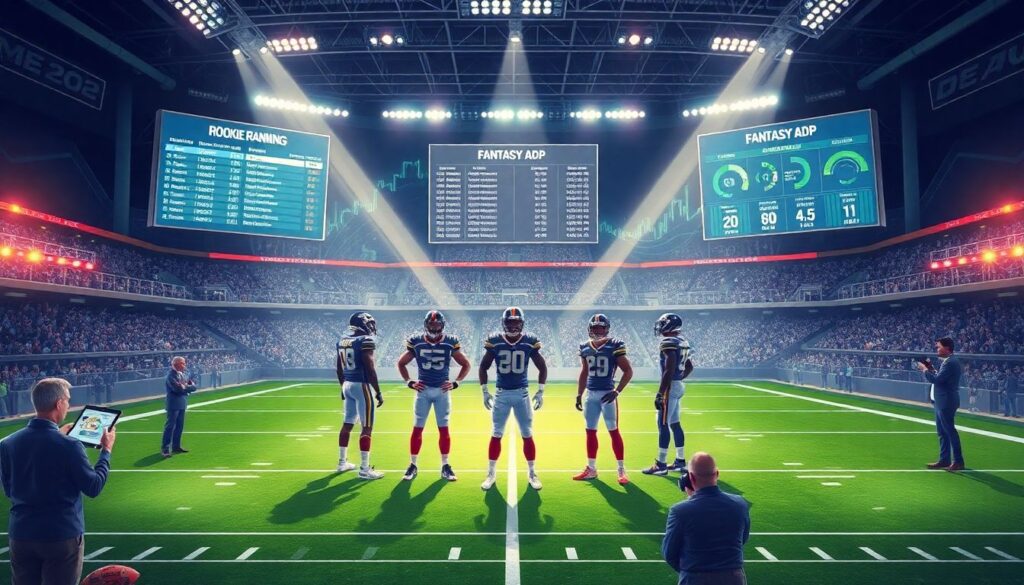
Looking back from 2026, the 2024 class is a good case study because the expectations were sky‑high before any of them played a down. Preseason chatter about nfl rookie rankings 2024 wasn’t just barstool debate; it fed directly into depth‑chart decisions, fantasy ADP, and even how defensive coordinators built their pressure and coverage menus. Once the games started, it became obvious which prospects were just scheme‑protected role players and which guys were legitimately moving the needle in terms of EPA, drive success, and coverage stress on every snap.
Key Metrics That Really Predict “Instant Impact”

You don’t need a PhD in analytics, but you do need to know which numbers lie and which actually matter.
For offensive skill players, target share, first‑read percentage, yards per route run, success rate over expected on rushes, and red‑zone usage tell you whether the offense is actually built around the rookie or he’s just benefiting from busted coverages. For linemen, pressure rate allowed (or generated), double‑team rate, and true pass set metrics are essential. On defense, look at pass‑rush win rate, run‑stop win rate, coverage snaps vs. man/zone, and EPA allowed when targeted. These are the levers that separated the names buried on “best nfl rookies to watch this season” preseason lists from the guys who ended up dictating coverage rotations and protection schemes by midseason.
Step‑by‑Step: How to Spot an Immediate-Impact Rookie
Here’s a practical workflow you can run every offseason and through the first month of games:
1. Map the opportunity, not just the talent.
Start with roster and contract status. Is there a clear path to starting snaps or at least a defined sub‑package role (slot WR, nickel CB, DPR – designated pass rusher, etc.)? A “B+” rookie with 70% snaps can have more impact than an “A” prospect stuck behind a durable veteran on a big contract.
2. Check deployment in preseason and Weeks 1–3.
Focus on where they line up: boundary vs. slot, off‑ball vs. on‑ball, field vs. boundary safety, left vs. right tackle. High‑leverage alignments and third‑down usage are massive early tells. Coaches don’t trust rookies in critical situations unless the practice data is screaming that they’re ready.
3. Layer in efficiency and advanced metrics.
After a small sample of regular‑season snaps, overlay usage with efficiency. For example, a rookie edge with an elite pass‑rush win rate on limited snaps often earns more third‑down reps quickly; a corner with strong EPA allowed and low yards per coverage snap gets more man coverage and travel assignments.
4. Validate with film and opponent behavior.
Numbers point you to outliers; film confirms whether it’s sustainable. Also watch how opponents react: do defenses rotate coverage to a rookie WR? Do offenses slide protection or chip toward a rookie edge? That opponent behavior is one of the strongest indicators that a first‑year player is already on scouting reports as a problem.
Offensive Rookies Who Change the Playbook, Not Just the Box Score
When you hear discussions about top offensive rookies nfl 2024, there’s often an overemphasis on raw counting stats—yards, touchdowns, big plays. From a technical standpoint, the bigger story is how quickly a rookie forces structural changes: more empty sets because the QB is processing like a veteran, more RPOs and option routes because a WR can handle sight adjustments, or more gap concepts because a rookie guard can pull and hit second‑level defenders consistently. That’s impact which persists even when raw production regresses to the mean.
Defensive Rookies and the “Stress Point” Concept
On defense, immediate impact is often about becoming a “stress point” in the offensive game plan.
Pass rushers who consistently win 1‑on‑1s can tilt protections, opening schematic freedom for coordinators to blitz less and still get home. Corners who can survive in island coverage unlock more single‑high looks and heavier boxes. When bookmakers set defensive rookie of the year odds 2024, what they were effectively pricing in—though indirectly—was which players were most likely to become that stress point: playing high‑value positions, in aggressive schemes, with early opportunities and a strong collegiate production profile.
Rookie Impact Across Different User Profiles
Your angle on rookies changes depending on whether you’re a fan, fantasy manager, bettor, or investor.
Fans and team analysts care about long‑term WAR (Wins Above Replacement) and how a rookie fits into the three‑year roster architecture. Fantasy players focus on volume, red‑zone touches, and game‑script sensitivity. Bettors care more about situational performance and matchup‑driven deployment—how a rookie shifts point spreads and totals. Meanwhile, collectors and investors monitoring nfl rookie cards investment 2024 were really tracking narrative velocity: how quickly public sentiment and media coverage crystallized around a player’s “star” trajectory relative to his actual underlying performance metrics.
Troubleshooting Common Mistakes in Rookie Evaluation
A lot of people misread rookies for the same reasons over and over.
The biggest pitfalls: overreacting to small samples, ignoring role and scheme, and failing to separate sustainable skills from volatile outcomes (like long broken‑play touchdowns or tipped‑ball interceptions). When your evaluation feels off, ask whether you’re being seduced by highlights or actually tracking repeatable traits—processing speed, leverage, hand usage, route tempo, play recognition. You should also check for hidden usage trends: sometimes snap counts plateau, but third‑down or red‑zone snaps spike, signaling trust that hasn’t fully shown up on the stat sheet yet.
How the 2024 Rookie Discourse Changed the Market
The debates around nfl rookie rankings 2024 quietly shifted how teams and the broader ecosystem priced first‑year players. With better college tracking data and more analytically inclined front offices, early‑career breakouts were no longer treated as flukes; they were seen as validation of pre‑draft models. That fed directly into aggressive extension timelines, earlier scheme tailoring around rookies, and more willingness to churn veteran depth in favor of high‑upside first‑ and second‑year players who could produce on rookie deals.
Forecast: What Rookie Impact Will Look Like by 2030
Looking out from 2026, the trend line is pretty clear even if the specific names aren’t. Expect more pro‑ready rookies, not fewer, because college offenses and defenses are converging toward pro concepts—route combinations, protection schemes, simulated pressures, and pattern‑match coverages are already filtering down. By 2030, it’s reasonable to expect that the average top‑50 pick will be evaluated less as a “developmental asset” and more as a cost‑controlled starter who must justify a premium pick by Year 1 or Year 2 at the latest. That will make the rookie spotlight even harsher, but also more meaningful if you know how to read the signals.
Putting It All Together
If you’re trying to understand which first‑year players are truly making an immediate NFL impact—rather than just trending on social media—you need structure: the right tools, a repeatable process, and a way to debug your own biases when the film and the numbers don’t align. Use opportunity, deployment, efficiency, and opponent behavior as your framework; then layer on the specific lens you care about, whether it’s fantasy value, betting edges, team‑building insight, or long‑term projection. In a league where rookie contracts and early breakouts increasingly decide who’s playing in January, mastering that rookie spotlight isn’t optional anymore—it’s part of keeping up with how the modern NFL actually works.
Комментарии