The passing boom and why defenses had to grow up fast
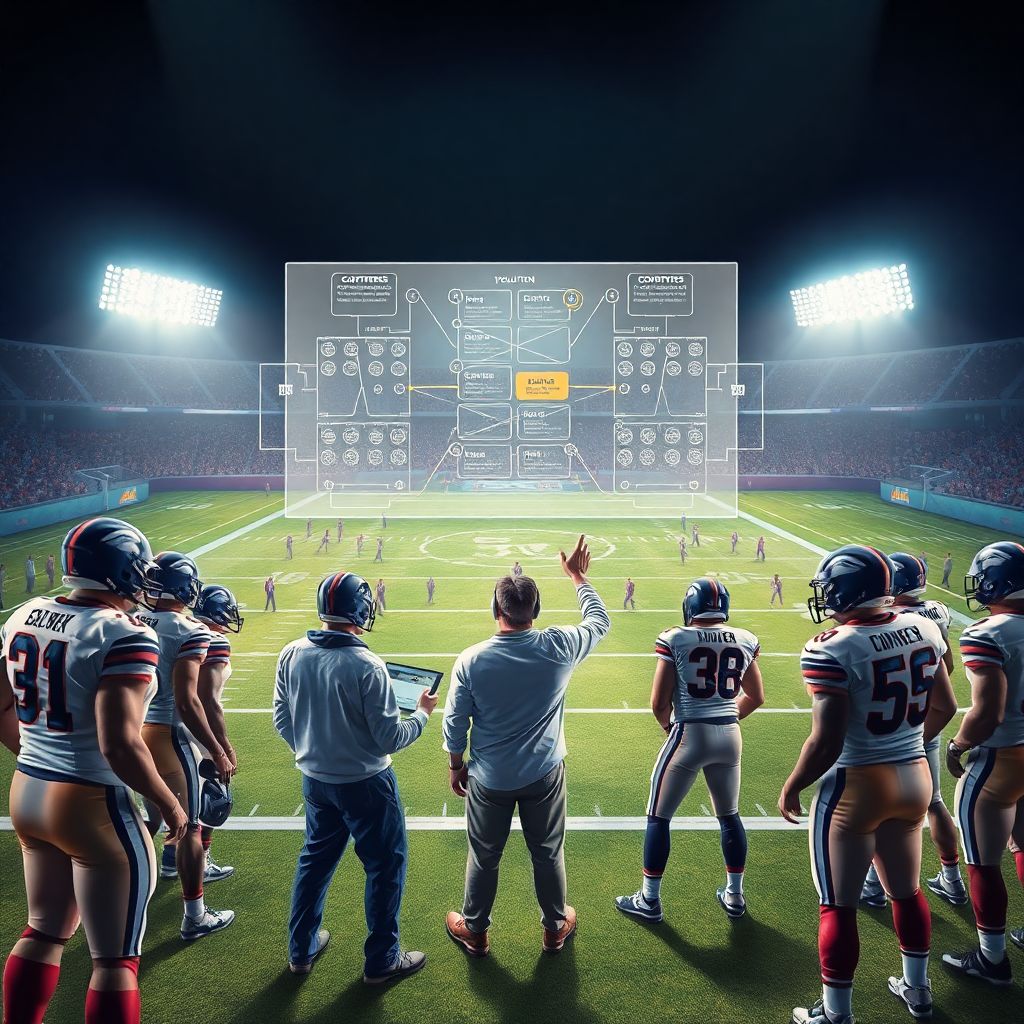
Defenses didn’t evolve because they wanted to; they evolved because they were getting torched. As rules kept opening up the air game and offenses leaned into RPOs, bunches and condensed splits, the old “sit in Cover 3 and rally” approach fell apart. By the mid‑2020s, every serious staff had to rethink its entire football defensive playbook for passing offenses, from base personnel to how they taught leverage and spacing. The challenge today isn’t just stopping a route; it’s surviving a full game of tempo, motions and constant formation stress.
From static shells to flexible, disguise-heavy structures
If you look at modern NFL defensive schemes now, the common thread isn’t a favorite coverage; it’s flexibility. Coordinators mix quarters, Cover 6, man-match and simulated pressures out of the same pre‑snap shell. Safeties rotate late, edges peel on backs, interior linemen drop into short zones just enough to mess with a quarterback’s rhythm. The goal is no longer calling the “perfect” coverage, but forcing the QB to process post‑snap on every snap. Confusion, not just contact, has become a core defensive weapon.
How the spread offense changed the defensive job description
The spread used to mean four wide receivers and wide splits; now it’s a mentality. Offenses use motions, stacks, and RPO tags to isolate your slowest or least disciplined defender. That’s why the best defensive strategies to stop spread offense don’t start with blitz packages; they start with personnel and rules. You need hybrid safeties who can cover and fit the run, linebackers who can survive in space, and corners willing to tackle on bubbles. Scheme is the multiplier, but speed, communication and pattern‑match rules are the base.
Core principles of the modern passing defense
Behind all the fancy playbooks, successful units lean on a few clear ideas that never really change, they just get updated for today’s tempo and spacing:
– Protect leverage, not grass: defenders own inside or outside, eyes locked on hips, not the quarterback’s pump.
– Change the picture late: align simple, rotate complex, and make the QB read post‑snap.
– Make them throw where you want: force checkdowns on third‑and‑long, overplay their top targets, live with the low‑percentage throws.
Inspiring examples: defenses that punched back
Look at the most resilient playoff defenses of the last few years and you see a similar story: they weren’t the biggest groups, they were the most connected. Units that slowed elite passers typically combined disguise with discipline—corners passing off crossers, safeties overlapping routes without panic, and front sevens rushing in lanes instead of just “going hard.” Those groups show that you don’t need 11 first‑rounders. You need 11 people who see the field the same way, trust the call and refuse to bust under motion and tempo pressure.
Micro-adjustments that flipped big games
Many turning points came from small, gutsy tweaks rather than wholesale overhauls. A coordinator shifting from static spot-drop zones to match principles on third down. A defense leaning into simulated pressures so they could rush four but show six. Or a staff deciding to major in two-high shells and spin late instead of living in single‑high. These subtle shifts turned “we’re hanging on” defenses into groups that could actually dictate terms, forcing offensive coordinators to abandon their favorite concepts mid‑game.
Building your own modern football defensive identity
If you’re a high school or small‑college coach staring at a stack of spread cut‑ups, it’s tempting to copy the latest NFL craze. Resist that. Use modern NFL defensive schemes as inspiration, not a script. Start with what your players can realistically do: can your safeties handle quarters? Do your corners tackle well enough to play heavy outside leverage on screens? Your identity shouldn’t be a logo on the call sheet; it should be the intersection of opponent tendencies, your personnel and how much your kids can truly master.
Practical steps to modernize your playbook
Instead of adding 40 new calls, focus on a few structural upgrades that give you leverage against today’s passing attacks:
– Add a simple quarters / Cover 6 package you can play vs trips and 2×2 without constant checking.
– Build a 5‑man pressure menu using creepers and sims so you can change the picture without zero‑blitzing.
– Install clear RPO rules for second‑level defenders: who triggers run, who caps glance, who walls crossers.
Case-style scenarios of successful adaptation
Plenty of smaller programs have quietly reinvented their defenses without TV hype. A common pattern: they began by tightening language—renaming coverages based on leverage and pattern rules, not old-school code words. Then they simplified fronts so that blitz tags didn’t change run fits. Over a season or two, busts dropped, and suddenly the same athletes looked “faster.” That’s the real lesson behind many successful projects: teaching and clarity often beat exotic calls when facing high-volume passing offenses.
Developing yourself as a modern defensive thinker
Defensive evolution starts with curiosity, not ego. The best coaches obsess over why a coverage failed, not just that it did. They rewatch explosive plays until they understand whether the issue was technique, leverage or structure. In the mid‑2020s, more coordinators are sharing cut‑ups, hopping on Zoom, and trading ideas across levels. If you’re willing to ask honest questions—about your own blind spots as much as opponents’ tendencies—you can compress years of trial and error into a few smart offseasons.
Learning from clinics, courses and real-time conversations
You don’t need an NFL badge to access high-level teaching anymore. Many defensive coordinator clinics modern passing game oriented are recorded and broken down online, complete with Q&A and drill tapes. Picking one quality online course on modern football defense and actually implementing its ideas is more valuable than binging ten random clinic videos. The key is active learning: take notes, translate concepts into your terminology, and decide where each idea would actually live inside your existing structure.
Curating your personal development playbook
To stay ahead of evolving passing attacks, treat your own growth like a season plan, not a hobby. A simple approach can keep you moving:
– Offseason: deep dives into one coverage family or pressure system; rewrite install scripts, not just drawings.
– Camp: hammer communication—checks, motions, formation answers—until players can run them tired.
– In-season: weekly self-scout of explosives allowed, with a strict rule: adjust something every week, even if it’s small.
The real evolution: mindset, not just scheme
In 2026, the gap between average and cutting-edge defenses isn’t only about Xs and Os; it’s about attitude toward change. Offenses will keep layering new tags on old concepts, but the core defensive mission stays the same: deny easy throws, own leverage, and force quarterbacks to solve a fresh puzzle every snap. When you treat your scheme as a living system—something you tune, question and refine constantly—you stop chasing trends and start shaping how the modern passing game has to answer you. That’s the evolution that really matters.