The funny thing about a “short week” in the NFL is that from the outside it looks like an extra game on TV and a chance to grab Thursday Night Football tickets. Inside the locker room it feels more like trying to cram a final exam, a lab report and a marathon into four days… while your body thinks it’s been hit by a truck. Let’s walk through, step by step, what players actually do, what often goes wrong, and what a newcomer should never underestimate.
—
Step 1: The Moment the Clock Hits Zero (Reality of Postgame Sunday)
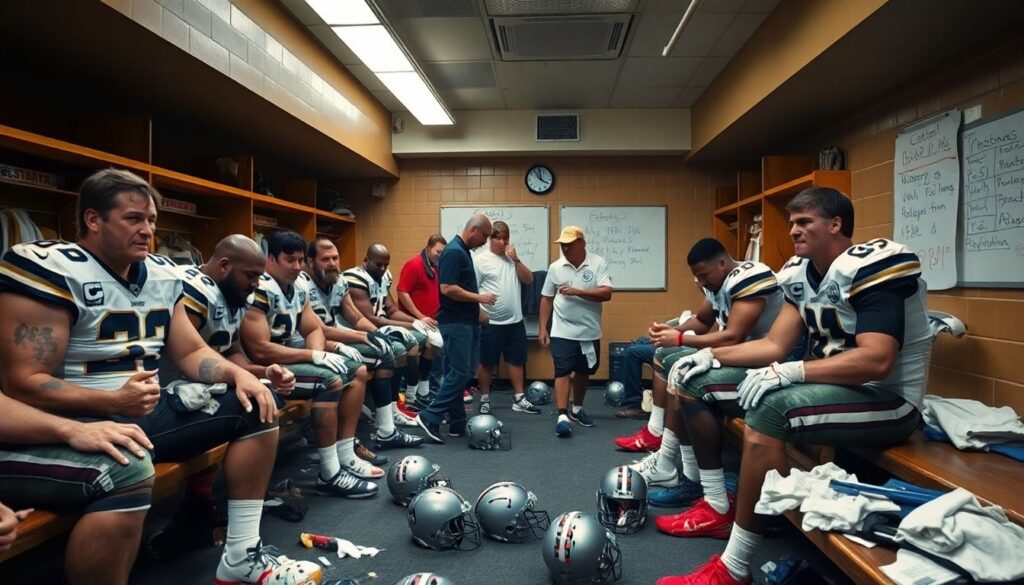
The short week really starts in the final minutes of the Sunday game. Veteran guys are already editing their hits in their heads: “left ankle rolled in Q2, shoulder stinger in Q3, extra soreness right hip.” As soon as they hit the locker room, staff triage starts: trainers check swelling, range of motion, concussion symptoms. Most players will do a quick flush on the bike, contrast showers, maybe 10–15 minutes in cold tubs. The idea is simple physiology: you’re trying to limit inflammation and reset the nervous system before it locks in that “car crash” feeling overnight. Nobody is thinking about schemes yet; the body comes first, film later.
Short week mistake #1: younger players treat the postgame like any normal Sunday—long showers, chat with friends, phone time, maybe even a heavy meal and late-night video games. On a regular week you can kind of get away with it. On a short week, that lost hour of early recovery shows up by Wednesday as heaviness in the legs and slower reaction time. Quiet tip from vets: be the first one in the tub, not the last one in the tunnel talking.
—
Step 2: The “Ugly Monday” – Recovery Lab, Not Rest Day
On a normal schedule, Monday is already called “Bloody Monday” by some players: you hurt, you watch your mistakes, maybe you jog it out. On a short week, it becomes a tightly scripted medical experiment. Guys shuffle into the facility early for blood work, hydration tests, and body-weight checks. Staff look for sudden drops that might suggest dehydration or muscle breakdown. Then comes a mix of soft-tissue work—massage, active release, cupping—plus personalized mobility circuits. You’ll see players plugged into every imaginable piece of NFL player recovery gear: pneumatic compression boots, red light panels, electrical stimulation units. The science goal is to accelerate removal of metabolic waste and re-align tissue fibers before scar tissue lays down.
A common error here is over-aggression. Some competitors decide, “I feel terrible, so I’ll crush a super hard lift to wake up the body.” The result is often the opposite: more micro-tears, central nervous system fatigue, and dead legs by Thursday. Smart strength coaches on a short week focus on neural “primers”: low-volume, explosive movements, not grinders. For rookies, the best advice is counterintuitive—trust the boring stuff: light eccentrics, mobility, and perfect sleep hygiene beat hero lifts every time.
—
Real-World Case: The Rookie Who Tried to Win Monday
This example is a composite drawn from several players’ public interviews and coaching anecdotes, but the pattern is very real. A rookie linebacker, coming off a big snap count on Sunday, felt he needed to “prove he wasn’t tired.” On the short-week Monday he added an unscheduled heavy squat session, skipped his second recovery block, and bragged about it. By Thursday his GPS numbers in pregame warmups were down, and on film he was half a step late to the ball. Nothing catastrophic, but coaches noticed. His veteran teammate pulled him aside after: “On short weeks, you don’t win the game in the weight room. You win it by what you don’t do.”
That’s the mental shift newcomers often miss. Short week success is about restraint and precision, not sheer effort. From the outside, fans see a few days and assume “less work.” Inside, it’s actually more structure and more discipline, just with lower visible intensity. The best players learn to treat their nervous system like a battery: if you burn extra charge on Monday, you can’t magically plug in on Wednesday and be full again by kickoff.
—
Step 3: The Fast-Forward Button on Game Planning
Normally, NFL game prep spreads from Monday to Saturday: broad overview, detailed install, third-down and red-zone packages, then walk-throughs. On a short week, the staff hits a fast-forward button. Coaches often begin breaking down Thursday’s opponent a week ahead, just in case. By Monday afternoon or evening, players are handed a condensed game plan: narrower call sheets, fewer exotic wrinkles, more “day-one” concepts they can execute under fatigue. The meeting rooms turn into crash courses with constant use of VR clips, iPad cutups, and laser-focused quiz questions. Cognitive science is central here; you’re not just learning plays, you’re optimizing for recall when oxygen and attention are both under stress.
Common mistake: coaches or coordinators who can’t let go of volume. Loading the call sheet with every clever idea might look brilliant on paper, but short weeks punish complexity. There’s a reason experienced staffs trim down: decision time in the brain is a finite resource. When you reduce the number of pre-snap possibilities, you reduce mental friction. From a betting perspective, this is why some sharp analysts pay attention to NFL short week betting odds: simpler game plans can subtly favor teams that are already cohesive and penalize units still figuring out their identity or communication.
—
Step 4: The “Practice” That Barely Looks Like Practice
If you peeked into a facility on a short-week Tuesday or Wednesday expecting a traditional full-speed practice, you’d be surprised. Helmets might be on, but tempos are throttled down. Many reps are “jog-through” or “walk-through,” where the biggest muscle working is the brain. Players rehearse shifts, motions, protection calls, and coverage checks like actors mapping stage positions. Sports science staff is watching total yardage, accelerations, and high-speed efforts on GPS monitors in real time. Push too hard and you steal output from Thursday; go too light and you risk sloppy execution.
For young players this can feel fake: “How can I get better if I’m barely running?” The trap is trying to “win practice” with speed when the goal is neuro-muscular rehearsal. Veterans use these days to perfect alignments, landmarks, and eyes. Tip for newcomers: treat walk-throughs like live reps for your brain. Say the call out loud. Visualize worst-case scenarios. If your mind is full-speed, your body can go half-speed without losing sharpness.
—
Case: The Backup QB and the 10-Play Script
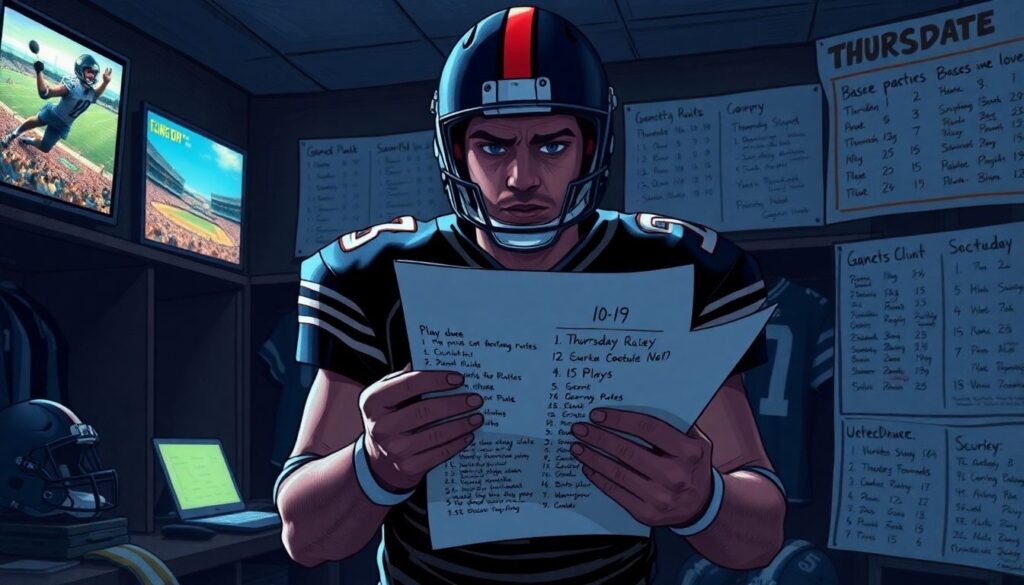
Another composite example, built from multiple backup quarterbacks’ accounts: A second-string QB knows a starter is banged up heading into a Thursday game. He may get the nod on a few hours’ notice. In the short week, he works obsessively on a tight 10–15 play script: base passes he loves, a few boots, simple RPOs. He runs them mentally dozens of times, in meetings, in the mirror, even while eating. When he’s unexpectedly thrust into the game, he can immediately lean on that mini-script, buying time for the sideline to adjust. From the stands, it looks like “poise.” From inside, it’s deliberate cognitive rehearsal compressed into three days.
The key takeaway: on a short week, backups often prepare as if they are starters because injury probabilities spike. That mental readiness is rarely visible to fans but defines careers. Mentors will tell rookies: “Every short week is a chance to practice being next man up—before the league actually tests you.”
—
Step 5: Nutrition, Sleep, and the “Invisible” Work
When people ask about the best supplements for NFL players, they usually imagine exotic powders or secret pills. In reality, short-week nutrition is much less glamorous and much more clinical. Dietitians map out macronutrient timing: higher carbs immediately postgame to restock glycogen, tighter control of inflammatory fats, strategic use of omega‑3s and antioxidants to modulate, not erase, inflammation. Sleep coaches push aggressive routines: dark rooms, devices away, melatonin only when necessary, and consistent wake times despite travel. The invisible math: every lost hour of sleep can blunt reaction time, decision speed, and hormone balance—things that don’t show up on the stat sheet but decide 50/50 plays.
Rookie mistake: using energy drinks and caffeine as a band-aid. That temporary alertness masks underlying fatigue and often leads to worse sleep the following night, compounding the problem. Veterans treat caffeine like a precision tool, not a lifestyle. They also don’t chase every new supplement trend; they work with team staff, who are paranoid about banned substances and interactions. For newcomers, the most effective “stack” on a short week is boring: hydration, consistent meals, no alcohol, and ruthless protection of sleep windows.
—
Gear and Gadgets: Helpful Tools vs Expensive Distractions
Short weeks are prime time for gadgets to shine—or be exposed as hype. Compression garments, massage guns, sleep trackers, and more advanced NFL player recovery gear can absolutely help, but only when integrated into a consistent routine. The science supports intermittent pneumatic compression for circulation and certain forms of low-level light therapy for tissue repair, yet the effect sizes are modest compared to basics like movement and sleep. A veteran tight end might religiously spend 20 minutes in boots, 10 in a cold tub, and then a calm breathing protocol. It’s a system, not a toy collection.
A frequent error, especially among younger, well-paid players, is gear hopping: buying every new device, using each once or twice, and never building a repeatable pattern. Sports scientists quietly roll their eyes at that. Their mantra: “You can’t out-gadget bad habits.” If you’re a developing pro or even just following football training programs for professionals, the lesson applies to you too—master the fundamentals, then use tech to amplify, not replace, them.
—
Step 6: Adjusted Strength and Conditioning – Doing Less, Better
Strength coaches almost completely rewrite their weekly plan for a Thursday game. Heavy lower-body lifting often disappears, replaced by power-focused micro-sessions: a few sets of cleans at moderate load, jumps, light sled pushes. The nervous system is the true focus; they’re trying to keep the “signal” high without adding structural damage. Mobility sessions might tilt toward hips and ankles for skill players, trunk stability and shoulders for linemen still nursing Sunday’s trench warfare. There’s also an emphasis on anti-fragility: gentle loading of sore tissues to signal adaptation instead of total rest, which can make joints feel even stiffer.
From an error standpoint, one of the worst moves is for a player to completely skip these tuned-down sessions out of fear of fatigue. The brain loves routine; when you throw it off, movement quality suffers and aches feel worse. Smart vets will show up, hit their precise prescription, and leave. Another misstep is treating “light” as “lazy.” The intent behind each rep matters. Elite pros attack even a short mobility block with focus, treating it as insurance for Thursday.
—
Case: The Veteran Wideout Who Extended His Career
Again, this is a blended story from several receivers’ public comments, but the blueprint is consistent. A 30‑plus wideout, with multiple soft‑tissue injuries in his past, used to dread Thursday games. Early in his career he would either go full tilt in practice (to “stay sharp”) or shut it down entirely for fear of tweaks. Later, with a new strength coach, he shifted to ultra-targeted micro-doses: three sets of light Nordic curls, banded hip work, and brief, explosive starts over 5 yards. GPS data showed he maintained top speed yet cut his weekly high-speed yardage. The result: fewer hamstring scares, more available snaps, and a couple extra seasons in the league.
The lesson for young players: sustainability beats bravado. Especially on short weeks, the guys who understand load management science—not just buzzwords—tend to be the ones still in the locker room when others are rehabbing or out of the league.
—
Step 7: Travel, Time Zones, and Mental Noise
Road Thursday games add another layer: disrupted circadian rhythms. Teams fly out earlier than usual, sometimes on Wednesday afternoon, and try to mimic home routines in a new environment. Light exposure management is surprisingly important; some sports scientists encourage players to get morning sun and avoid bright screens late, especially when moving east or west. Noise-cancelling headphones, pre-planned meals, and hydration strategies are not luxuries, they’re tools to keep the brain from accumulating extra stress. Anxiety tends to spike here: game approaching fast, body still sore, playbook dense.
Newcomers often squander this window scrolling social media, reading takes about their matchup, or checking what fans are saying about Thursday Night Football tickets and predictions. Mentally, that’s junk food. Veterans curate what hits their brain: favorite music, simple visualization, even guided breathing apps. A useful rookie rule: if it doesn’t help you relax or prepare, skip it. The cognitive load of distractions is real and measurable in reaction-time tests.
—
How Short Weeks Quietly Shape Game Style
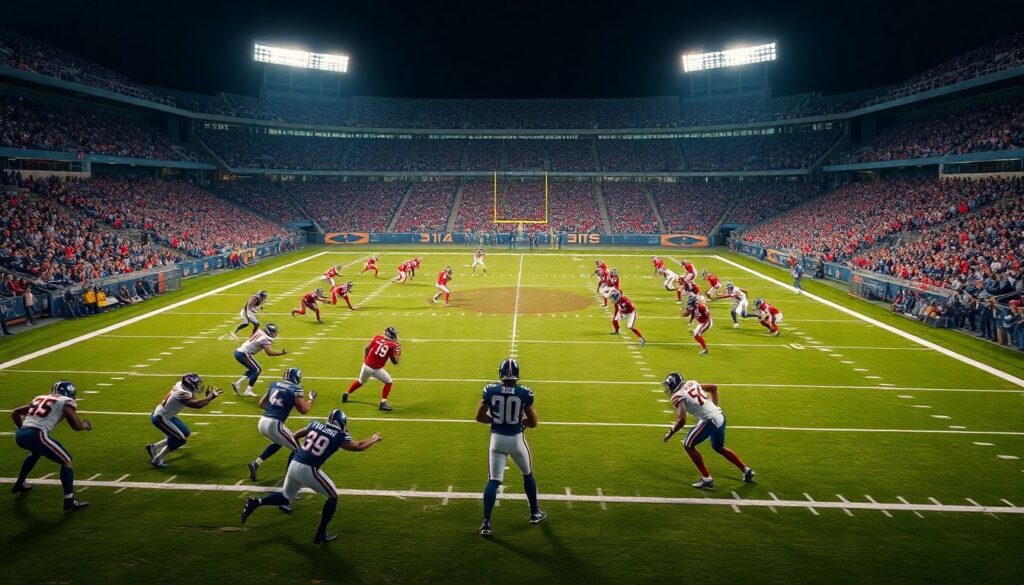
All of this behind-the-scenes compression spills onto the field in ways that casual viewers don’t always recognize. Offenses may lean heavier on quick-game concepts, inside runs, and simpler formations. Defenses may prefer coverages that rely on communication they’ve already mastered earlier in the season. Analysts who study strategy alongside NFL short week betting odds often note more conservative calls on fourth down and special teams—coaches know mental and physical errors are more likely when players are tired and processing fast.
Does that mean Thursday games are worse? Not necessarily. They’re just different. You often see more improvisation by stars who can win even when schemes are simpler, and more value from role players who are mentally rock-solid. For fans, appreciating that context can change how you watch: each clean tackle, each perfectly timed blitz, reflects a week compressed into days of invisible work.
—
Step 8: What This Means for New Pros and Serious Amateurs
If you’re a young player dreaming of the league—or already on the fringes—understanding the rhythm of a short week is a competitive advantage. You won’t fully control your schedule like pros do, but you can copy principles. Treat recovery as part of training, not an afterthought. Learn to trim your “playbook” in life during congested periods: fewer social commitments, stricter sleep, clearer priorities. Adapt your own football training programs for professionals by building in lighter, brain-focused days instead of hammering full-speed reps year-round. In short, plan for load, don’t just react to fatigue when it hits.
The biggest rookie trap, at any level, is believing that success is only about how hard you go when the whistle blows. Short weeks expose that myth. The guys who thrive aren’t necessarily the ones who hit the hardest in practice, but the ones who make the smartest choices in the hours nobody’s watching: postgame tubs instead of chatter, walk-through focus instead of half-speed boredom, early lights-out instead of late scrolling. Inside the locker room, that’s what really separates surviving a short week from actually owning it.