Why fourth down will never be the same again
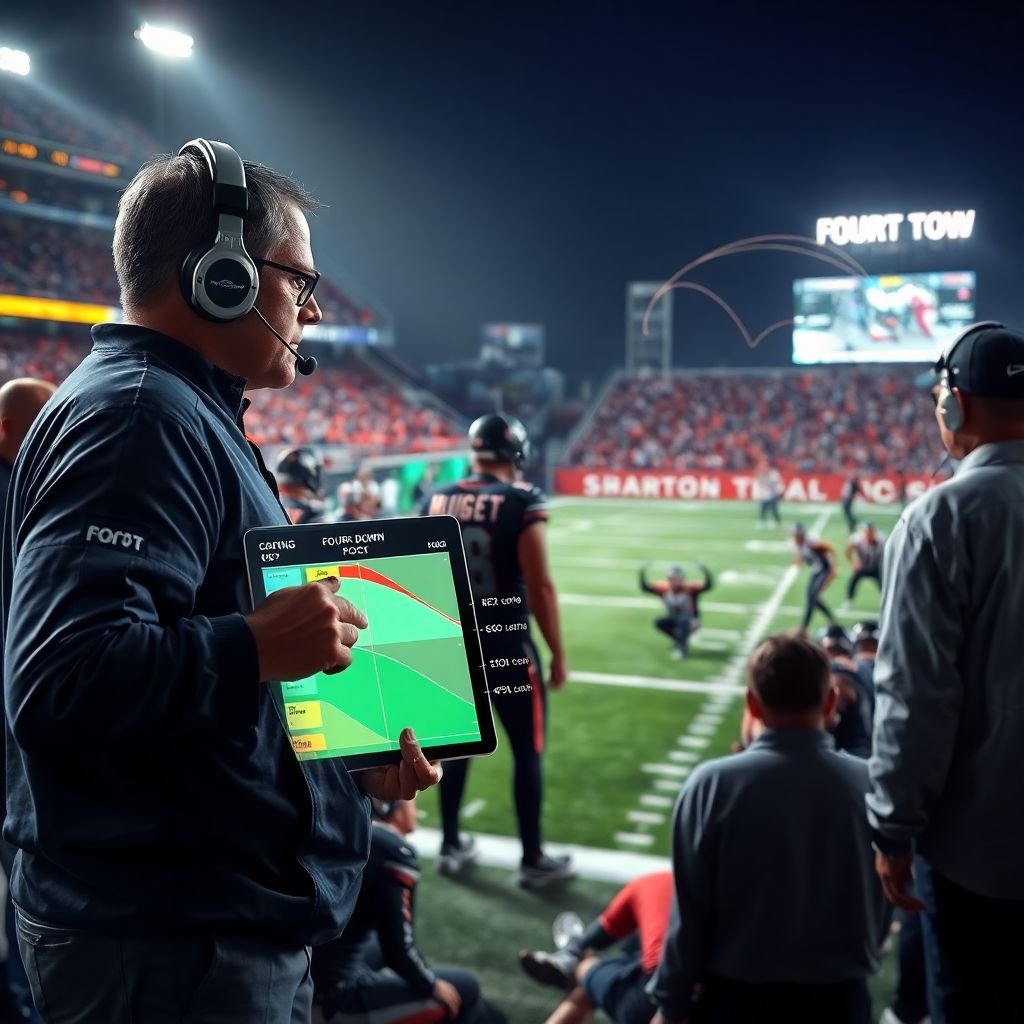
Ten years ago, going for it on fourth down was mostly about “gut feel” and crowd noise. In 2026 it’s about live probability curves, win‑probability deltas, and real‑time simulation. The shift is huge: analytics have moved from a niche slide in a scouting report to a core input in every headset conversation. Fourth‑down calls across college and NFL football are now shaped by models that digest millions of snaps, weather patterns, player tracking data and even fatigue estimates. The coach’s instinct hasn’t disappeared, but it’s now cross‑checked against numbers instead of superstition, making each decision more transparent, explainable and, frankly, braver.
From gut to model: what really changed
The stereotype says analytics people just shout “always go for it!” from a spreadsheet. The reality is more nuanced. Modern fourth‑down systems integrate field position, score, clock, timeout inventory, kicker range, offensive line health, historical play success by concept and coverage, and even how the referee crew tends to call contact. NFL analytics fourth down decisions today rely on probabilistic models that output win‑probability changes for going, punting, or kicking. Those outputs hit tablets and sideline dashboards in under a second thanks to pre‑computed lookup structures and optimized code. The magic is less about a single formula and more about operationalizing a decision pipeline that fits into the 40‑second play clock without slowing the sideline chaos.
How teams actually use the numbers on game day
Here’s what it looks like in practice. During the week, analysts run thousands of simulations for likely fourth‑down situations the team might face. They build a “fourth‑down decision sheet” tuned to that week’s opponent tendencies and the team’s current offensive profile. On game day, that sheet is either baked into football analytics software for coaches or printed as color‑coded charts. When a borderline situation pops up, the assistant with the analytics role checks down to the recommendation instantly: green for “go,” red for “kick,” yellow for “context matters.” The head coach still has to weigh injuries, momentum and locker‑room psychology, but instead of guessing, they’re starting from a quantified baseline that reflects thousands of historical and simulated drives.
Inspirational examples: bold calls backed by data
Some of the most inspiring fourth‑down moments of the last few seasons weren’t just “gutsy”; they were rigorously justified by models. One high‑profile example came in the 2025 playoffs, when a wild‑card team repeatedly went for it on fourth‑and‑short in its own territory against a heavily favored opponent. Social media screamed “reckless,” but post‑game analysis showed that each decision increased win probability by 3–6%. The staff had spent months aligning players and ownership around this philosophy, so when the headset said “go,” the team didn’t flinch. They converted four of five attempts, controlled the clock and knocked out a top seed, becoming a showcase case study in modern, analytics‑aligned fourth‑down philosophy.
College programs turning numbers into culture
In college football, the shift can be even more dramatic. One mid‑major program that embraced aggressive, model‑driven fourth‑down behavior in 2023–2025 turned a run‑heavy, conservative identity into a fast‑paced, high‑variance offense. Their analysts integrated a fourth down decision making model service into weekly game planning, tagging specific “auto‑go” zones between the 40s where the offense had a documented edge. Over two seasons, they improved offensive efficiency, increased total plays per game and pulled multiple upsets over ranked teams. The inspirational part isn’t just the wins; it’s that the coaching staff used analytics as a teaching tool, regularly showing players the data in team meetings so they felt part of the strategy, not subject to some mysterious algorithm.
What players say when the numbers are clear
When athletes actually see the logic behind these choices, buy‑in spikes. Defensive captains start to understand why a failed fourth‑down near midfield isn’t “putting them in a bad spot” but often a rational trade‑off that improves long‑term odds. Offensive linemen realize that their short‑yardage success rate is a strategic asset, not just a stat on a screen. By turning the output of best NFL data analytics tools into simple, visual stories—charts, trend arrows, and scenario clips—staffs create a language where numbers and effort complement each other, building a culture where aggressive fourth‑down decisions feel like a shared mission rather than a coin flip.
Modern tech stack: from spreadsheets to live engines
The backbone of this revolution is infrastructure. Early analytics work lived in Excel and static reports that arrived in coaches’ inboxes days after games. In 2026 the environment looks more like a lean tech startup. Teams use cloud‑based databases to house play‑by‑play and player‑tracking data, microservices that serve win‑probability outputs, and mobile‑friendly frontends for sideline use. football analytics software for coaches integrates video cut‑ups, play tendencies and fourth‑down recommendation overlays directly into film platforms. Instead of flipping through binders, decision‑makers can tap into interactive dashboards that filter by opponent, formation and down‑and‑distance, compressing years of history into an interface they can trust under pressure.
Inside a typical analytics workflow
During the week, the analytics department runs ETL jobs to ingest league data, opponent film tags, and internal practice metrics. Data engineers clean and normalize this information, while data scientists tweak models that estimate expected points added and win‑probability shifts for different fourth‑down choices. The output isn’t a single answer but a matrix of context‑sensitive recommendations. By Thursday, position coaches are already using these insights to build game plans: which short‑yardage concepts test the opponent’s weakest gaps, which hash marks favor specific run schemes, and how wind patterns affect kick accuracy from various spots. By the time the team kicks off, the “model” has been translated into precise, human‑ready rules that sit just beneath the surface of every key decision.
Successful cases: projects that changed how teams think
Behind every flashy fourth‑down call, there’s usually a long, unglamorous project that made it possible. One NFL franchise spent two years overhauling its entire data pipeline. They partnered with sports analytics consulting for football teams to audit their processes, then built an internal analytics group with clear ownership over in‑game decision tools. The result wasn’t just a new chart; it was a shift in organizational rhythm. Coaches started structuring practices around “high‑leverage” moments, scripting fourth‑and‑medium plays as carefully as red‑zone packages. Within a season, they led the league in fourth‑down efficiency and finished near the top in offensive DVOA, fueling a deep postseason run that ownership publicly linked to their analytics investment.
College collaboration with external experts
A Power Five program offers another instructive case. Lacking in‑house data expertise, they licensed a lightweight fourth‑down model from a boutique provider, initially using it only for self‑scouting. Over time, they built a hybrid approach: graduate assistants tagged games, the external service recalibrated their fourth‑down index weekly, and coordinators received concise, scenario‑based memos ahead of each opponent. The early impact was subtle—slightly more aggressive choices around midfield—but as the staff saw consistent gains in expected points, they expanded their use. By 2025 they were top‑10 nationally in fourth‑down attempt rate while reducing special‑teams errors, showing that even programs without massive budgets can convert specialized services into tangible on‑field edges.
Key patterns across winning projects
Across these success stories, a few consistent principles emerge. First, the most impactful initiatives connect directly to coaching workflows instead of living as side projects. Second, projects that pay off treat fourth‑down analytics as part of a broader decision‑making ecosystem involving play calling, roster construction and game‑management philosophy. Finally, the most sustainable gains come when leaders communicate clearly why certain calls will look “weird” to fans and media, but rational under the lens of probability. It’s this alignment—between front office, staff and players—that turns models into wins rather than internal friction.
How you can develop analytics skills for football today

If you’re reading this in 2026 and thinking, “I want to be part of that,” the barrier to entry has never been lower—but the bar for quality is higher than ever. Teams aren’t impressed by generic charts; they want people who understand both statistics and football context. The path typically involves building competency in coding, probability, and game theory while staying grounded in film, scheme and terminology. Your goal isn’t just to crunch data; it’s to answer very specific questions coaches care about: How often can we realistically convert fourth‑and‑two out of 11 personnel vs. this front? What is our expected value of going for it, given our actual line and back, not league averages?
- Learn a programming language (usually Python or R) and master data manipulation, visualization and basic machine learning.
- Study football tactics: offensive structures, coverage families, run fits and special‑teams strategy, so your models reflect scheme reality.
- Practice communication: turn dense outputs into one‑page summaries or graphics that a busy coach can absorb in 30 seconds.
Building a portfolio that actually matters
Instead of creating random dashboards, anchor your personal projects to real fourth‑down questions. Pull public play‑by‑play data, derive your own expected points model, and test specific hypotheses, like whether aggressive fourth‑down behavior pays off more for underdogs or favorites. Compare your findings to public benchmarks and explain discrepancies. Use modern tools that mirror what teams use: version control, reproducible notebooks, and lightweight APIs. When you can show a working prototype of a drive‑level simulator or a custom decision chart for a specific team, you’re speaking the language of practitioners, not just repeating talking points about analytics.
Mindset: from “being right” to being useful
It’s easy to fall into the trap of trying to prove that traditional coaches are “wrong.” That attitude rarely wins you a place in the building. The more constructive stance is to treat your work as decision support. Your model might say “go” on fourth‑and‑one, but if the offensive guard just got injured and the backup is struggling, the coach might justifiably override it. Embrace those caveats and try to quantify them over time. The best analysts in 2026 are those who balance rigor with humility, constantly updating their priors while keeping their eyes on a single metric: does this tool help us make better decisions over a whole season, not just in one viral game?
Learning resources and tools to get started
You don’t need team access to begin working with serious data. Public play‑by‑play feeds, open‑source tracking projects and educational materials are abundant if you know where to look. Start with foundational resources in statistics, then move into sports‑specific applications that discuss expected points, win‑probability models and game‑theoretic play calling. Combine those with reading actual coaching manuals and clinic notes so your analytics vocabulary aligns with concepts like wide zone, simulated pressure and match quarters—details that matter when translating numbers into real play calls.
- Online courses and books on probability, regression modeling, and time‑series analysis tailored to sports contexts.
- Open‑source codebases that implement expected points and fourth‑down recommendation systems, which you can extend or critique.
- Coaching clinics, podcasts and webinars where analysts and coaches discuss how they integrate data into weekly workflows.
Choosing and understanding modern tools
On the tooling side, a lot has changed by 2026. Many of the best NFL data analytics tools now package data ingestion, modeling and visualization under one roof, making it easier to deploy prototypes quickly. That said, you’ll still want to understand the fundamentals under the hood: what assumptions the win‑probability engine makes, how it handles small‑sample situations and how it adjusts for evolving league trends. For aspiring practitioners, experimenting with these platforms and then recreating simplified versions from scratch is a powerful way to build both practical and conceptual skill.
Where commercial services fit into the ecosystem
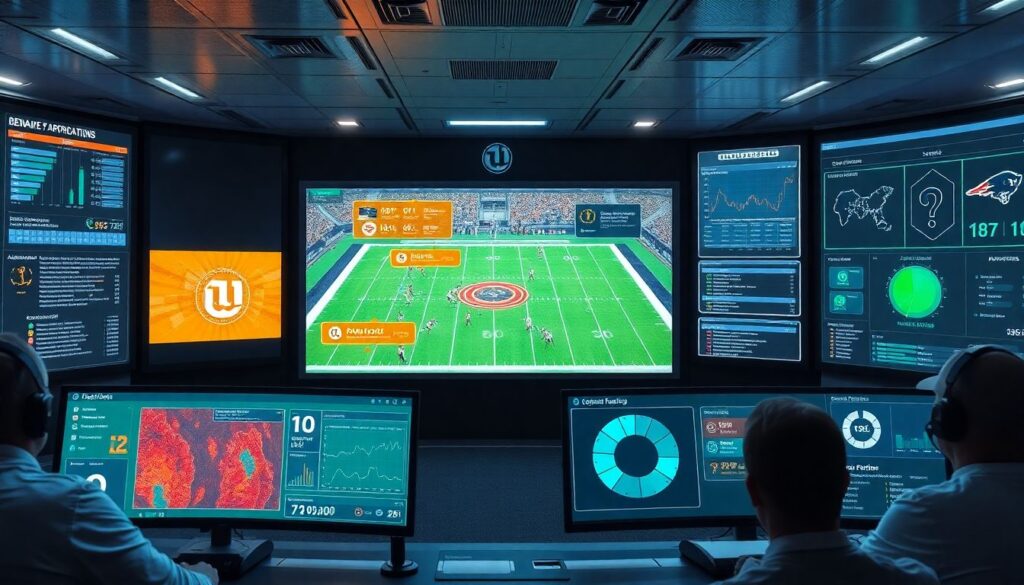
Commercial vendors now offer full‑stack fourth‑down support, from pre‑game opponent reports to real‑time recommendation feeds. A fourth down decision making model service might plug into an existing video analysis platform, overlaying color‑coded guidance on top of situational cut‑ups. For smaller programs, this can be the most efficient path to capability: rather than hiring a full analytics staff, they subscribe to a service and assign a smart graduate assistant to adapt outputs to their scheme. As you learn, pay attention to how these products position themselves, which pain points they claim to solve and how they present their recommendations to coaches who have no time for jargon.
Looking ahead: where fourth‑down analytics go from here
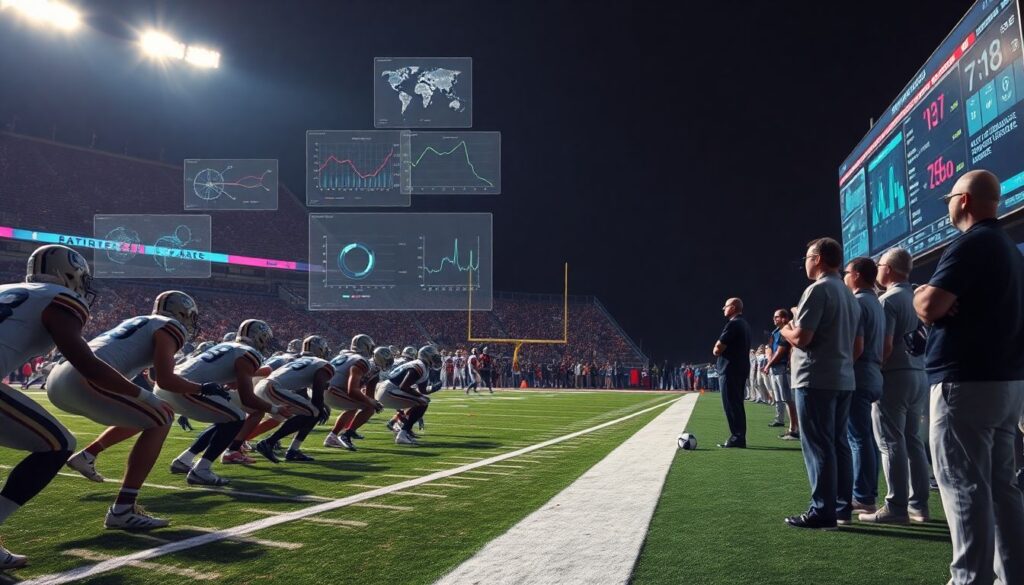
By 2026, the analytics revolution in fourth‑down decisions is less about whether teams use numbers and more about how deeply numbers are integrated into every layer of planning. The next wave is already visible: player‑tracking‑driven models that estimate individual matchup effects in real time, simulation engines that account for fatigue and micro‑injuries, and adaptive game plans that update probabilities as tendencies shift mid‑game. As these tools mature, the line between “analytics” and “coaching” will keep blurring. For anyone drawn to this space—whether you dream of an NFL sideline role or just want to understand the game at a deeper level—this is an ideal moment. Learn the math, respect the craft, and remember that behind every green “go for it” light is a group of people betting their reputations on the idea that smarter decisions, taken over and over, will eventually tilt the scoreboard in their favor.